

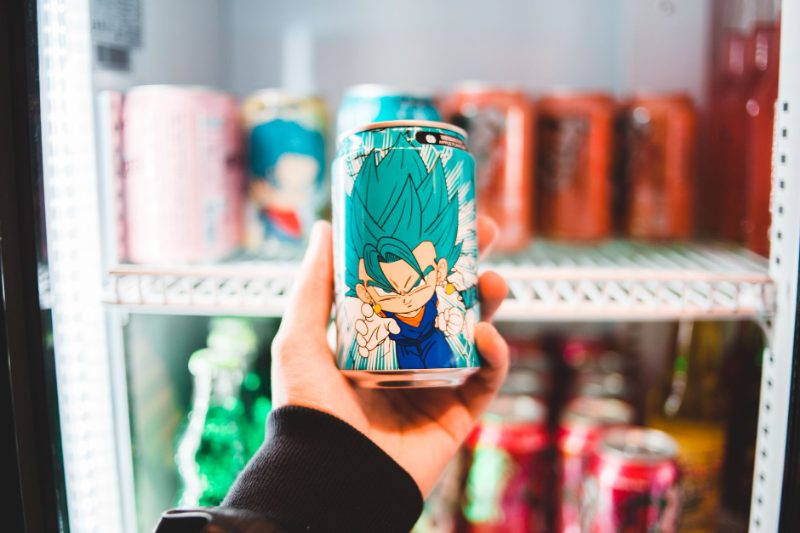
FSSAI has ordered Red Bull, PepsiCo’s Sting, Reliance’s Campa Energy and Monster Energy to stop describing themselves as “energy drinks” and to remove related health and performance claims from their packaging within 90 days. The Food Safety and Standards Authority of India (FSSAI) issued the show-cause notices on July 1, 2026, and confirmed on July 27-28 that it is standing firm despite pushback from the affected companies.
The regulator’s objection centres on the absence of a separately notified food category standard for “energy drinks” under Indian food law. FSSAI says functional or therapeutic claims such as “vitalises body and mind,” “enhances focus” and “boosts energy levels” are not permissible for products that are legally classified as caffeinated or carbonated beverages rather than a distinct energy-drink category. Rajasthan has already begun enforcement, seizing stock of Sting, Campa Energy and Red Bull, while asking e-commerce platforms including Amazon, Flipkart, Blinkit and Instamart to stop listing the products as energy drinks.
Why Is FSSAI Cracking Down on Energy Drink Labels Now?
FSSAI’s position is that “energy drink” is a marketing term with no defined regulatory standard in India, which allows brands to make health-linked claims without the scientific backing required for functional foods. The 90-day compliance window, running from the July 1 show-cause notices, requires companies to redesign labels, rework marketing copy and, in several cases, reprint packaging material entirely. Industry body submissions asking for relief or a longer transition period were reviewed and rejected, according to the July 27 order, with FSSAI reiterating that consumer safety and accurate labelling take precedence over brand continuity concerns.
What Does This Mean for Food and Beverage Manufacturers in India?
The order lands squarely on India’s fast-growing functional beverage segment, which has expanded rapidly on the back of quick commerce distribution and premiumisation trends already reshaping the wider food processing industry. Companies now face a compressed timeline to redesign SKUs across national distribution networks, absorb the cost of packaging changeovers, and retrain retail and e-commerce partners on updated product descriptions. Smaller regional beverage makers using similar “energy drink” branding are also expected to fall under the same compliance requirement, widening the order’s reach beyond the five named multinational and domestic majors.
The dispute also has an international dimension: Red Bull and Monster market similar products globally using the “energy drink” descriptor without the same regulatory pushback, which industry executives argue puts India out of step with global category norms. FSSAI counters that Indian food law is built around notified standards rather than marketing convention, and that consumer protection requires claims to match a legally defined category rather than industry practice elsewhere.
Market Reaction and Industry Response
PepsiCo, Red Bull and other named companies have publicly pushed back on the order, arguing that “energy drink” is an internationally recognised category descriptor rather than a health claim. Trade associations representing the beverage sector have sought an extended compliance runway, citing the scale of packaging and labelling changes needed across manufacturing lines. FSSAI has not granted any extension so far, and state-level enforcement actions in Rajasthan suggest other states may follow with their own inspection drives ahead of the 90-day deadline.
What Happens Next?
Manufacturers have until roughly early October 2026 to comply, based on the 90-day window from the July 1 notices. Expect relabelled products to begin appearing on shelves and quick-commerce platforms over the coming weeks, alongside possible legal challenges from affected brands. FSSAI is also expected to face pressure to formally notify a dedicated energy drink or functional beverage standard, which would give the category legal clarity going forward rather than relying on show-cause enforcement.
Frequently Asked Questions
Which brands are affected by the FSSAI energy drink ban?
Red Bull, PepsiCo’s Sting, Reliance’s Campa Energy and Campa Gold Boost, Hell Energy and Monster Energy have all received show-cause notices requiring them to drop “energy drink” labelling within 90 days.
Why doesn’t FSSAI allow the term “energy drink” on labels?
FSSAI says there is no separately notified food category standard for “energy drinks” in India, so functional claims like boosting energy or enhancing focus cannot be legally attached to products sold as ordinary caffeinated or carbonated beverages.
What happens if companies don’t comply within 90 days?
Non-compliant stock can be seized, as already seen in Rajasthan, and e-commerce platforms have been directed to stop listing products under the disputed “energy drink” description, risking distribution disruption for brands that miss the deadline.








Leave a comment