

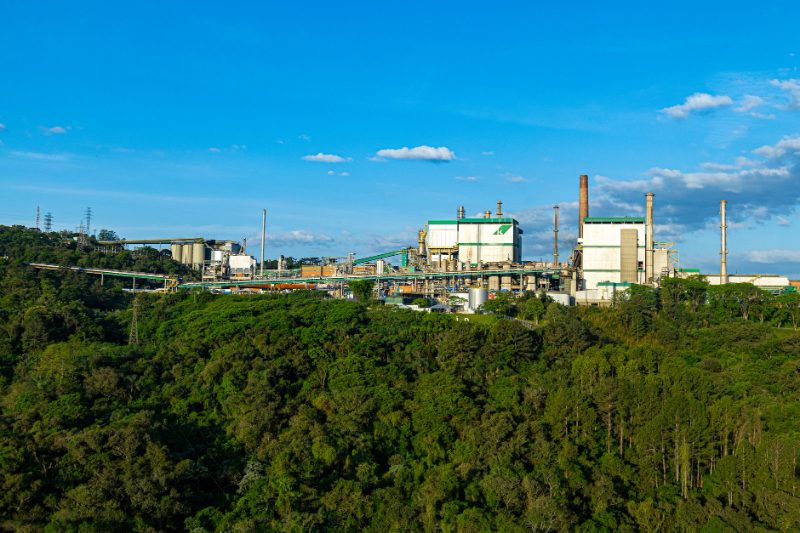
New Canada paper tariffs of 50% on a wide range of Canadian pulp, paper and packaging products are set to take effect August 19, 2026, after President Trump signed three proclamations under Section 338 of the Tariff Act of 1930 on July 20. The move covers dozens of product categories — from dissolving pulp and printing papers to tissue, containerboard and converted paper products — and applies regardless of United States-Mexico-Canada Agreement (USMCA) eligibility.
The American Forest & Paper Association (AF&PA) confirmed the tariff action in a July 25 press release, noting that the Trump administration cited “discriminatory” Canadian practices affecting U.S. motor vehicles, alcoholic beverages and dairy products as justification. The affected paper and pulp categories span dissolving pulp (HTS 4702.00.00), printing and writing papers, tissue and hygiene papers, containerboard and packaging, specialty papers, coated and converted paperboard, and foodservice and molded fiber products — covering nearly the entire Canadian forest products value chain, according to industry reporting. Wood Central reported the tariffs ultimately span 98 product lines despite a separate carve-out for softwood lumber.
Why Is the U.S. Imposing 50% Tariffs on Canadian Paper Products?
The Trump administration frames the Canada paper tariffs as retaliation for what it calls discriminatory Canadian trade practices in unrelated sectors, including autos, alcohol and dairy. Heidi Brock, President and CEO of AF&PA, pushed back on lumping paper and packaging into that fight: “AF&PA urges the Administration to ensure its trade approach targets unfair global practices while preserving the North American supply chains that support U.S. manufacturing, jobs, investment and growth here at home.” Ian Dunn, president and CEO of the Ontario Forest Industries Association, was more direct, calling the measures “a drastic and unjustified barrier to a highly integrated North American supply chain.”
What Does This Mean for the Broader Paper and Packaging Industry?
The tariffs land on an industry that has spent 2026 grappling with mill closures, capacity rationalization and rising input costs on both sides of the border. U.S. producers that rely on Canadian pulp, recycled fiber or specialty paper inputs could face higher costs once the Canada paper tariffs take effect, even as some domestic containerboard and boxboard producers have separately been raising their own prices in recent weeks. Converters, packaging manufacturers and tissue producers that source from integrated Canada-U.S. supply chains are now reassessing sourcing strategies ahead of the August 19 deadline. Canadian mills, meanwhile, face reduced competitiveness in their largest export market at a time when the sector is already contending with softwood lumber duties and a soft global paper demand environment.
Market Reaction and Industry Response
Trade groups on both sides of the border have raised alarms. AF&PA’s statement stopped short of opposing the broader tariff package but explicitly asked the administration to shield integrated pulp and paper supply chains from collateral damage. In Canada, Prime Minister Mark Carney issued a formal statement on July 20 addressing the U.S. administration’s intentions and said Canada is assessing its options should the measures proceed as planned. Ontario’s forest industry association and other regional trade bodies have characterized the tariffs as a “blow” to a sector still recovering from prior rounds of U.S.-Canada trade friction. Analysts covering the North American paper and packaging sector note that the tariff overhang adds another layer of uncertainty on top of already-volatile containerboard and boxboard pricing dynamics playing out this year.
What Happens Next?
With the Canada paper tariffs scheduled to take effect August 19, 2026, negotiations between Washington and Ottawa are expected to intensify in the coming weeks. AF&PA and Canadian industry groups are likely to continue lobbying for carve-outs or exemptions specific to pulp and paper, arguing the sector’s supply chains are too deeply integrated to absorb a 50% duty without disruption. Canada has signaled it may respond with its own retaliatory measures, which could affect U.S. paper exporters selling into the Canadian market. Buyers, converters and mills on both sides of the border will be watching for further government guidance, potential product exclusions, and any last-minute negotiated changes before the tariffs take effect next month.
Frequently Asked Questions
When do the new Canada paper tariffs take effect?
The 50% tariffs on certain Canadian pulp and paper products are scheduled to take effect August 19, 2026, following proclamations signed by President Trump on July 20, 2026.
Which paper products are covered by the tariffs?
The tariffs cover a broad range of categories including dissolving pulp, printing and writing papers, tissue and hygiene papers, containerboard and packaging, specialty papers, coated and converted paperboard, and various converted paper and foodservice products.
How is the paper industry responding to the tariffs?
AF&PA has asked the administration to protect integrated North American pulp and paper supply chains even as it targets other sectors, while Canadian industry groups have called the tariffs an unjustified barrier, and Canada’s government has said it is assessing possible retaliatory options.












Leave a comment