

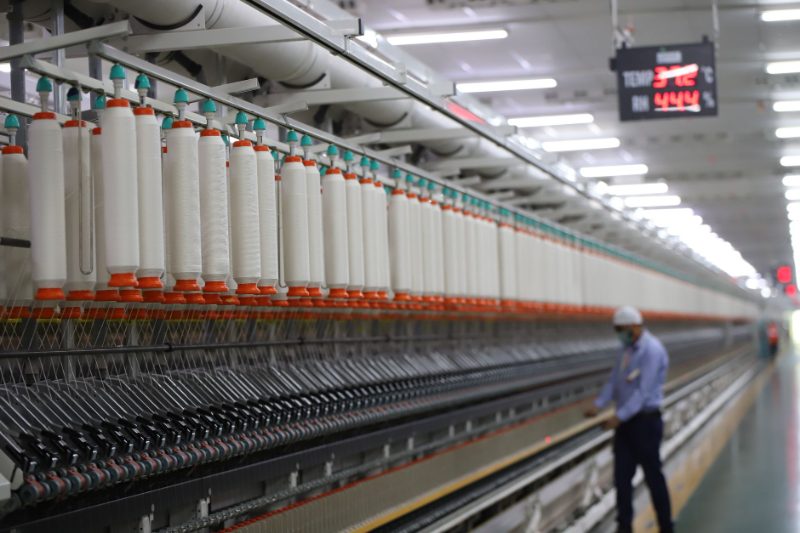
India’s paper and paperboard imports surged to Rs 11,196 crore, or roughly $1.3 billion, in the first nine months of the fiscal year, breaching the Rs 10,000 crore mark for the first time, according to the Indian Paper Manufacturers Association. IPMA President Pawan Agarwal warned that recent GST changes risk turning India into a dumping ground for cheaper foreign paper, as imported paper used for exercise books and notebooks now enters the country completely tax-free while domestic mills face higher input costs.
Imports from China rose 36 percent and from the ASEAN bloc by 23 percent in volume terms during the period, IPMA said, with total paper imports having doubled over the last four years at a compound annual growth rate exceeding 17 percent in volume, among the steepest of any major commodity category. The association says India remains the fastest-growing paper market in the world, but rising demand is increasingly being met by imports rather than domestic production.
Why Are Paper Imports Surging in India Right Now?
The GST reforms altered the tax treatment of finished paper products relative to raw materials used by domestic mills, effectively giving imported exercise books and notebooks a cost advantage over locally manufactured equivalents. Combined with lower global paper prices and aggressive export pricing from China and ASEAN producers, the shift has made imported paper increasingly competitive against Indian mills already dealing with elevated wood and energy costs.
What Does This Mean for Domestic Paper Manufacturers?
Indian mills face a structural cost disadvantage just as demand for paper and paperboard continues to climb across packaging, writing and printing segments. IPMA has cautioned that continued import growth at current rates could undermine the “Make in India” push in the paper sector, potentially slowing capacity expansion and investment even as underlying domestic consumption keeps rising.
Market Reaction and Industry Response
IPMA has publicly urged the government to review the GST treatment of imported paper products to close the tax-free loophole affecting exercise books and notebooks. Domestic producers, already grappling with wood shortages flagged as the industry’s biggest raw material concern, say the current trajectory leaves them competing on an uneven footing against tax-advantaged imports, particularly from China.
What Happens Next?
IPMA is expected to continue pressing policymakers for corrective action on the GST treatment of paper imports in the coming months, while tracking whether the Rs 11,196 crore import figure continues climbing through the remainder of the fiscal year. Domestic mills will be watched for capacity and investment decisions that hinge on whether the tax disparity is addressed.
Frequently Asked Questions
How much have India’s paper imports risen in 2026?
Paper and paperboard imports reached Rs 11,196 crore (about $1.3 billion) in the first nine months of the fiscal year, breaching Rs 10,000 crore for the first time, with imports from China up 36 percent.
Why is IPMA concerned about GST reforms?
IPMA President Pawan Agarwal says GST changes let imported exercise books and notebooks enter India completely tax-free, while domestic mills face higher input costs, distorting competition.
How fast have India’s paper imports grown over time?
Paper imports have doubled over the last four years, growing at a compound annual growth rate of more than 17 percent in volume terms.










Leave a comment