

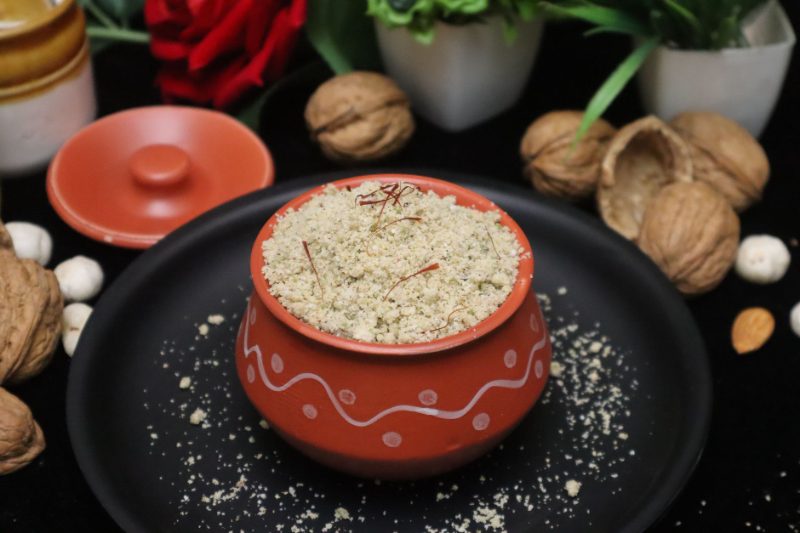
APEDA has facilitated India’s first-ever sea shipment of flavoured makhana to Canada, sending seven metric tonnes of the value-added fox nut snack from Bihar on July 31, 2026. The makhana export to Canada marks a milestone for India’s push to scale up branded, value-added agricultural exports beyond bulk commodity shipments.
The shipment originated from makhana processing units in Bihar’s Mithila region, which produces an estimated 80-90% of India’s total makhana output. The Agricultural and Processed Food Products Export Development Authority (APEDA) coordinated the export as part of its broader mandate to help Indian farmers and small processors access premium overseas markets for processed agricultural goods.
Why Is This Makhana Shipment to Canada Significant?
Until now, Indian makhana exports have largely moved through air freight or land routes to nearby markets, given the product’s fragility and short shelf life in unpackaged form. The successful sea shipment of flavoured, packaged makhana to Canada demonstrates that India’s processing and packaging capabilities have matured enough to support longer transit times to distant Western markets. APEDA officials said the shipment could serve as a template for scaling sea-freight exports of other value-added snack foods, which carry significantly better margins than raw fox nut exports.
What Does This Mean for India’s Food Processing and Export Sector?
The makhana export to Canada fits into a wider government push to build a ‘Bharat’ brand for processed Indian foods internationally, and comes as the Ministry of Food Processing Industries has been allocated Rs. 4,064 crore in the Union Budget 2026-27 to support export infrastructure and value addition. For Bihar’s large base of makhana farmers and processors, sea-freight access to markets like Canada offers a path to better price realisation than selling raw fox nuts domestically. Trade experts note that scaling flavoured and branded makhana exports could help India capture a larger share of the global healthy-snacking market, which has grown rapidly amid rising demand for gluten-free and plant-based snacks.
Market Reaction and Industry Response
Makhana processors and exporter associations in Bihar welcomed the shipment as validation of recent investments in flavouring, packaging, and quality certification infrastructure. APEDA has indicated it will support additional makhana consignments to North America and Europe in the coming months, building on the momentum from this first shipment. Officials at the state and central level have pointed to the export as evidence that India’s Geographical Indication tag for Mithila Makhana, granted in 2022, is beginning to translate into tangible export outcomes.
What Happens Next?
APEDA is expected to work with Bihar-based processors to identify additional export markets and secure recurring shipment contracts rather than one-off consignments. Industry watchers will track whether follow-up shipments materialise over the next two quarters, and whether other states with makhana processing clusters can replicate Bihar’s export model. The sector’s next milestone will likely be securing large-volume, contract-based supply deals with overseas retail chains rather than one-time export shipments.
Frequently Asked Questions
What was shipped in India’s first makhana export to Canada?
APEDA facilitated a sea shipment of seven metric tonnes of flavoured, value-added makhana from Bihar to Canada on July 31, 2026.
Why is Bihar central to India’s makhana exports?
Bihar’s Mithila region produces an estimated 80-90% of India’s total makhana output and holds the GI tag for Mithila Makhana, making it the natural hub for makhana processing and export.
What is APEDA’s role in this export?
APEDA, the Agricultural and Processed Food Products Export Development Authority, coordinates and supports Indian agricultural exporters, helping processors like Bihar’s makhana units access new international markets such as Canada.











Leave a comment