

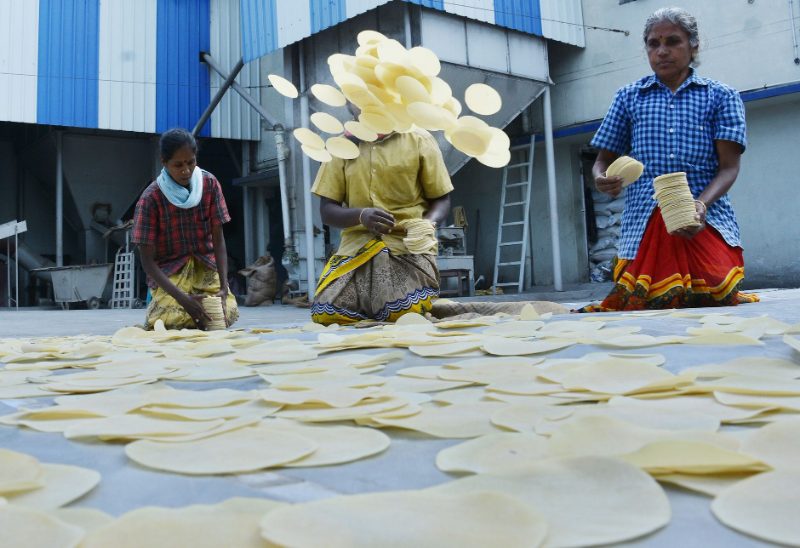
SK Agrofood Tech has completed a 100% acquisition of Jai Laxmi Food Processing Pvt Ltd, the company confirmed on July 30, 2026, in a deal that expands its footprint across India’s processed food value chain. The SK Agrofood Tech acquisition brings Jai Laxmi’s manufacturing capacity, distribution network, and product portfolio fully under the acquiring company’s control.
The transaction was finalised in Uttar Pradesh, where Jai Laxmi Food Processing has operated as a regional food processing unit supplying grains, pulses, and packaged food products to wholesale and retail markets. SK Agrofood Tech, which has been expanding its presence in India’s fragmented food processing sector, described the acquisition as a landmark step that strengthens its production base and gives it direct access to Jai Laxmi’s existing customer relationships and supply contracts.
Why Did SK Agrofood Tech Acquire Jai Laxmi Food Processing?
The SK Agrofood Tech acquisition of Jai Laxmi Food Processing reflects a broader consolidation trend sweeping India’s food processing industry, where mid-sized regional players are increasingly being absorbed by larger, better-capitalised companies. Industry analysts note that owning existing processing infrastructure, rather than building new capacity from scratch, allows companies to scale faster while avoiding the 18-24 month lead time typically required for greenfield food processing plants. Jai Laxmi’s established supplier base in the grains and pulses segment gives SK Agrofood Tech immediate access to raw material sourcing relationships that would otherwise take years to build.
What Does This Mean for India’s Food Processing Sector?
India’s food processing industry is undergoing a structural shift, moving from a volume-led, unbranded model toward a consolidated, value-added and export-oriented one. The Ministry of Food Processing Industries has been allocated Rs. 4,064 crore in the Union Budget 2026-27, reflecting continued government focus on strengthening the ecosystem as the sector heads toward a projected USD 600 billion valuation by 2030. Deals like the SK Agrofood Tech-Jai Laxmi transaction signal to smaller regional processors that acquisition, rather than standalone growth, may become a more common scale-up route in the years ahead.
Market Reaction and Industry Response
Food processing trade bodies have welcomed the deal as a sign of continued investor confidence in the sector, even as broader FMCG and processed food companies navigate input cost pressures from grains and edible oils. Competitors in the regional processed food space are expected to watch the integration closely, since a successful merger could accelerate similar consolidation moves among other family-run and mid-sized processing units across Uttar Pradesh and neighbouring states. SK Agrofood Tech has not disclosed the transaction value but described it as a milestone in the company’s growth strategy.
What Happens Next?
SK Agrofood Tech is expected to integrate Jai Laxmi’s manufacturing operations under its existing brand architecture over the coming months, while retaining the acquired unit’s workforce and supplier contracts. The company has signalled further acquisition interest in India’s food processing space as it builds out a pan-India production and distribution network. Market watchers will track whether SK Agrofood Tech pursues additional bolt-on acquisitions before the end of the current fiscal year, and whether the integration delivers the cost and distribution synergies the company is targeting.
Frequently Asked Questions
What did SK Agrofood Tech acquire?
SK Agrofood Tech acquired 100% ownership of Jai Laxmi Food Processing Pvt Ltd, a regional food processing company based in Uttar Pradesh, in a deal completed on July 30, 2026.
Why are food processing acquisitions increasing in India?
Acquisitions let companies scale quickly by gaining existing manufacturing capacity, supplier relationships, and distribution networks, avoiding the multi-year timeline required to build new food processing plants from scratch.
How does this deal affect India’s food processing industry?
The deal adds to a wave of consolidation in India’s food processing sector, which is projected to grow into a USD 600 billion industry by 2030 as more mid-sized processors merge with larger, better-capitalised players.











Leave a comment