

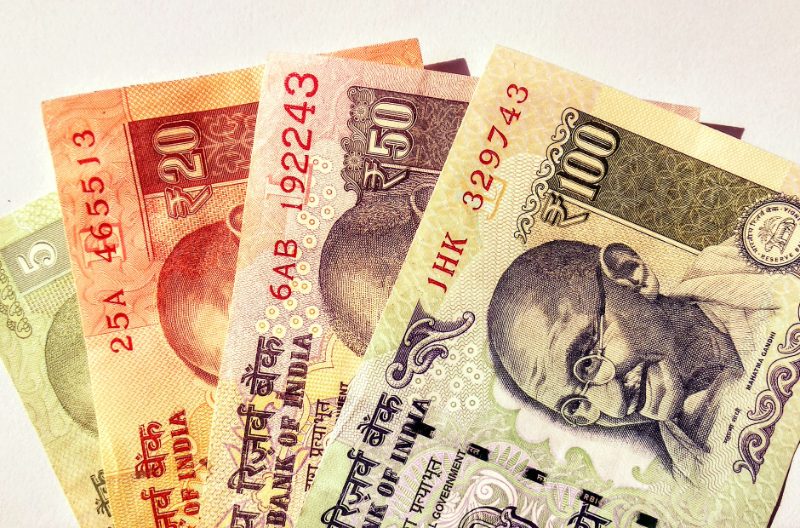
The Indian rupee has strengthened to around 94.96-95.20 against the US dollar this week, its firmest level since July 2026, as easing expectations of a US Federal Reserve rate move, softer crude oil prices and optimism over a potential US-Iran deal weighed on the greenback. The rupee’s rally comes even as importer and speculative dollar demand periodically offsets the broader trend, keeping the currency in a tight band over the past seven trading sessions.
Currency traders point to three converging factors: a weaker global dollar index as markets price in a softer path for US interest rates next month, Brent crude trading well off its recent highs, and reduced geopolitical risk premium after President Trump signalled progress, though not a final deal, in talks over Iran and the Strait of Hormuz. The Reserve Bank of India’s steady policy stance at its August meeting, holding the repo rate at 5.25 percent, has also removed a source of domestic uncertainty that could otherwise have pressured the currency.
How Does a Stronger Rupee Affect Indian Manufacturers and Exporters?
A firmer rupee lowers the landed cost of imported machinery, industrial inputs and crude-linked raw materials such as plastics and chemicals, which benefits manufacturers reliant on imported components. However, exporters in textiles, engineering goods and IT services see their dollar earnings translate into fewer rupees, squeezing margins at a time when many are already absorbing higher US tariffs and ocean freight surcharges. Export lobby groups have historically flagged that rupee appreciation beyond comfortable levels can erode the competitiveness gains India secured from recent tariff reductions.
What Do Currency Analysts Say?
Analysts tracking the pair say the rupee’s move over the past seven sessions reflects broad dollar weakness more than rupee-specific strength, with volatility measured at roughly 0.12 percent over the week and the pair trading between 95.10 and 95.44. Traders caution that the currency remains sensitive to oil price swings given India’s heavy crude import dependence, meaning any escalation in Middle East tensions or a stalled US-Iran deal could quickly reverse the rupee’s recent gains.
Market and Trade Reaction
Equity markets have taken the rupee’s stability in stride, with the Sensex and Nifty holding recent gains following the RBI’s policy hold. Bond markets have shown limited reaction, with traders more focused on the RBI’s inflation trajectory than near-term currency moves. Importers of crude oil, edible oils and electronics components have welcomed the relief on landed costs, while export-oriented sectors are watching the dollar-rupee level closely heading into the festive shipping season.
What Happens Next?
Currency desks will watch the US Federal Reserve’s upcoming policy signals, Brent crude’s reaction to any formal US-Iran agreement on the Strait of Hormuz, and India’s next inflation print for direction on the rupee. The RBI is not expected to intervene aggressively unless the currency moves sharply outside its recent range, given its stated preference for orderly, two-way movement.
Frequently Asked Questions
Why is the rupee strengthening against the dollar right now?
The rupee’s rise to around 94.96-95.20 per dollar reflects broad dollar weakness tied to expectations of a softer US Federal Reserve rate path, lower crude oil prices, and reduced geopolitical risk after signals of progress in US-Iran talks over the Strait of Hormuz.
How does rupee appreciation affect Indian exporters?
A stronger rupee reduces the rupee value of exporters’ dollar earnings, squeezing margins for sectors such as textiles, engineering goods and IT services, particularly when combined with existing pressure from US tariffs and rising freight costs.
Could the rupee’s gains reverse quickly?
Yes. Analysts note the rupee remains sensitive to crude oil price swings given India’s import dependence, so any escalation in Middle East tensions or a collapse in US-Iran talks could push the currency back toward its earlier, weaker levels.












Leave a comment