

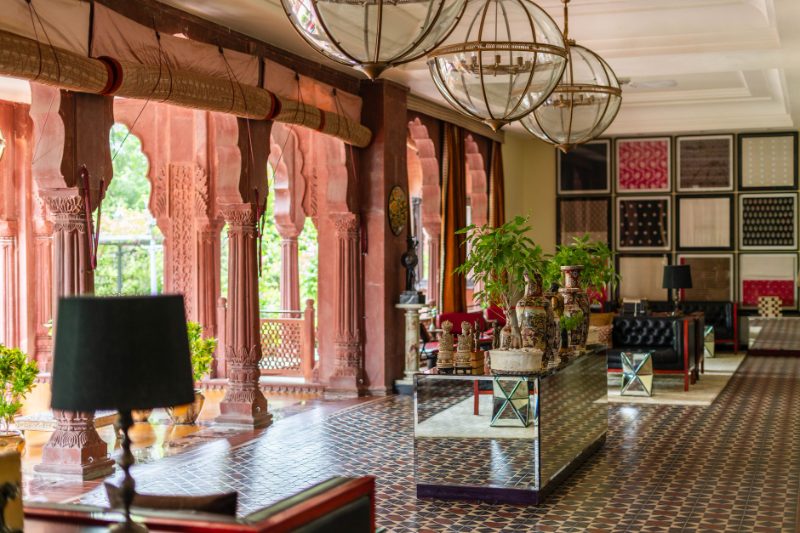
Adaptability and guest experience are emerging as the defining factors for success in India’s hospitality sector in 2026, according to industry commentary published August 10, 2026, as hotels navigate a demand mix that increasingly blends corporate travel, leisure, and MICE (meetings, incentives, conferences and exhibitions) business. National hotel occupancy stood at 67-69% in Q1 2026, with Average Room Rates around ₹10,000-10,200, reflecting sustained pricing power across the sector.
India’s hotel industry is in active expansion mode, with new properties being signed at pace across secondary and tertiary cities, domestic chains scaling operations, and international brands deepening their India commitments. Premium hotel occupancies are expected to hold at 72-74% through FY26, with room rates staying elevated as demand diversifies beyond traditional metro-centric travel patterns.
Why Is Guest Experience Becoming the Key Differentiator for Indian Hotels?
As branded hotel room supply in India, currently around 100,000 keys, is projected to nearly triple to 300,000 by 2030, competition among hotel operators is intensifying beyond location and price. Industry commentary points to guest experience personalisation, operational adaptability, and diversified revenue streams spanning weekend leisure breaks, corporate stays and event-linked bookings as the factors separating hotels that sustain occupancy from those that struggle as new supply enters the market.
What Does This Mean for India’s Hotel Investment and Development Pipeline?
For developers and hotel operators, the current environment favours properties that can flex between corporate, leisure and MICE demand rather than those built around a single guest segment. With demand now active through the year rather than concentrated in traditional peak seasons, secondary and tertiary city hotels are attracting fresh investor interest, a trend reflected in recent signings by both domestic chains and international brands expanding beyond India’s traditional metro markets.
Industry Reaction and Expert Commentary
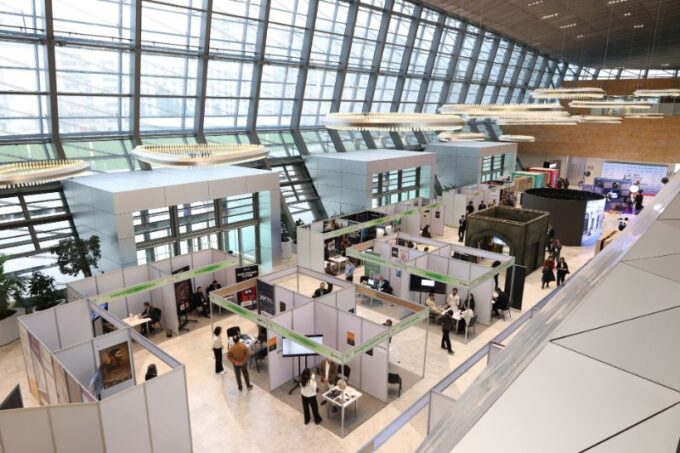
Hospitality executives cited in the coverage describe rising optimism across price points and geographies, attributing it to India’s broader economic growth narrative and the government’s push to position the country as a global economic power. The commentary specifically flags MICE and events business as an increasingly important revenue pillar alongside corporate and leisure travel, suggesting hotels investing in event infrastructure and banquet capacity are better positioned for 2026’s demand mix.
What Happens Next?
Hotel operators are expected to continue prioritising guest-experience investments and flexible demand strategies through the remainder of 2026 as room supply growth accelerates toward the 300,000-key target by 2030. Industry watchers will track whether premium occupancy holds at the projected 72-74% range for FY26 and whether secondary and tertiary city expansion continues to outpace metro growth in new hotel signings.
Frequently Asked Questions
What was India’s hotel occupancy rate in early 2026?
National hotel occupancy was recorded at 67-69% in Q1 2026, with Average Room Rates around ₹10,000-10,200, and premium hotel occupancies expected to hold at 72-74% through FY26.
Why is guest experience so important for hotels right now?
With branded hotel room supply projected to nearly triple from 100,000 to 300,000 keys by 2030, hotels are competing more on guest experience and adaptability than on price or location alone.
What role does MICE business play in India’s hotel demand?
MICE (meetings, incentives, conferences and exhibitions) has become a key revenue pillar alongside corporate and leisure travel, helping hotels sustain demand throughout the year rather than only during peak seasons.










Leave a comment