

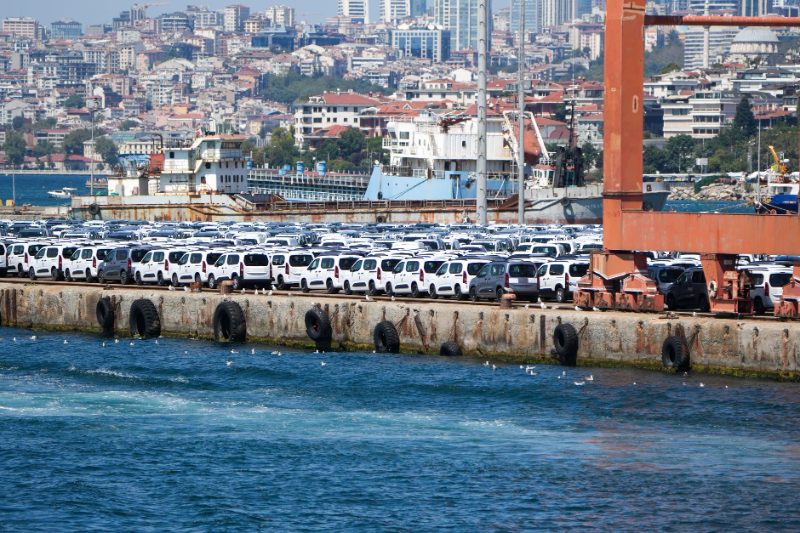
India’s Directorate General of Foreign Trade (DGFT) approved seven applications to import 642 cars from the United Kingdom under the India-UK Comprehensive Economic and Trade Agreement’s tariff rate quota on September 16, 2026, marking the first allocation under the pact’s automotive provisions. The approval covers only a fraction of the roughly 5,000 vehicles made available for the remainder of calendar year 2026.
CETA entered into force on July 15, 2026, and its automotive chapter cuts India’s import duty on eligible UK-origin passenger cars to 10% from roughly 110% under a phased tariff rate quota structure. The first-year quota allows up to 20,000 cars, with the DGFT inviting applications in July 2026 for the initial tranche covering the balance of the year.
Why Was the UK Car Import Response So Limited?
Only eight companies applied for the roughly 5,000-vehicle allocation window, with seven approved for a combined 642 cars and one receiving a deficiency certificate to correct its paperwork before resubmission. Trade watchers have described the initial uptake as a slow start relative to the quota’s size, suggesting importers may be waiting to assess demand, pricing, and compliance requirements before committing to larger volumes in subsequent allocation rounds.
What Do Industry Observers Say?
Automotive trade analysts note that the modest first-round uptake is not unusual for a newly operational tariff rate quota, as importers typically need time to align sourcing, homologation, and dealership plans with a fresh duty structure. Industry commentary has focused on whether demand will accelerate through the remainder of the 20,000-car first-year quota as UK automakers and Indian importers gain clarity on the certificate of origin and application process the DGFT has established under CETA.
Market and Trade Reaction
The approval is being watched closely by India’s domestic auto industry, which negotiated a five-year phased tariff reduction structure precisely to allow gradual adjustment to increased import competition. With only 642 of roughly 5,000 available slots used in this round, domestic manufacturers face limited near-term competitive pressure from the quota, while UK exporters have an opportunity to scale up applications well before the 20,000-unit annual ceiling is reached.
What Happens Next?
The DGFT is expected to continue processing applications against the remaining balance of the 2026 quota allocation, with the full 20,000-car first-year ceiling running through the CETA’s initial implementation period. Importers and UK automakers are likely to reassess volumes in subsequent quarters based on how this first tranche performs, and the DGFT may issue further guidance to streamline applications if uptake remains below the available quota.
Frequently Asked Questions
How many UK cars has India approved for import under CETA?
The DGFT approved seven applications covering 642 cars on September 16, 2026, the first allocation under the India-UK CETA’s automotive tariff rate quota.
What is the tariff rate on UK cars under CETA?
Eligible UK-origin passenger cars now face a duty of 10%, down from roughly 110% previously, under a phased quota structure that allows up to 20,000 vehicles in the first year.
When did the India-UK CETA come into force?
The India-UK Comprehensive Economic and Trade Agreement entered into force on July 15, 2026, with the first vehicle import applications invited the same month.











Leave a comment