

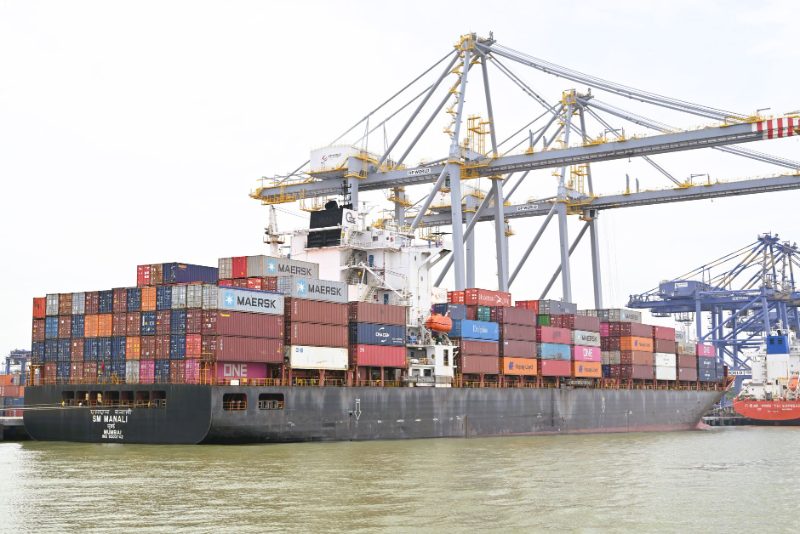
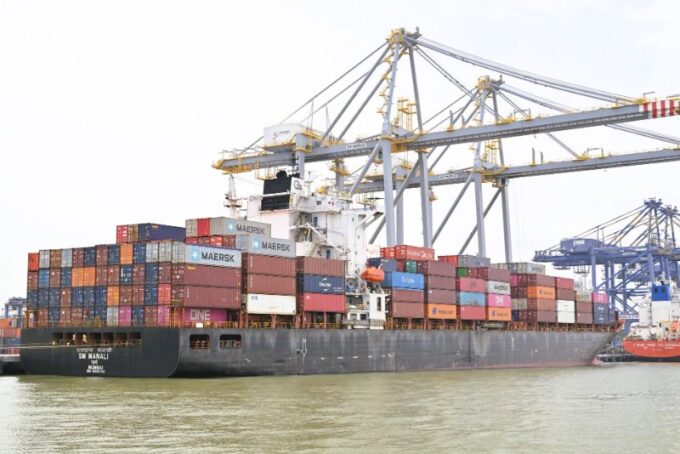
DP World Cochin’s International Container Transshipment Terminal (ICTT) handled 97,952 twenty-foot equivalent units (TEUs) in August 2026, its highest-ever monthly throughput and a 51% jump from the same month last year, cementing its position as one of the fastest-growing container gateways on India’s west coast. The terminal’s financial-year-to-date throughput growth stands at 19%.
The August surge follows a steady ramp-up through the summer, with the terminal handling 74,644 TEUs in June and 74,585 TEUs in July before volumes jumped sharply in August. Between June and August, ICTT also processed 51 ad hoc vessel calls, demonstrating spare capacity to absorb additional traffic even as global shipping routes face disruptions from Red Sea diversions and broader geopolitical tensions affecting transit times.
What Is Driving the Volume Surge at Cochin?
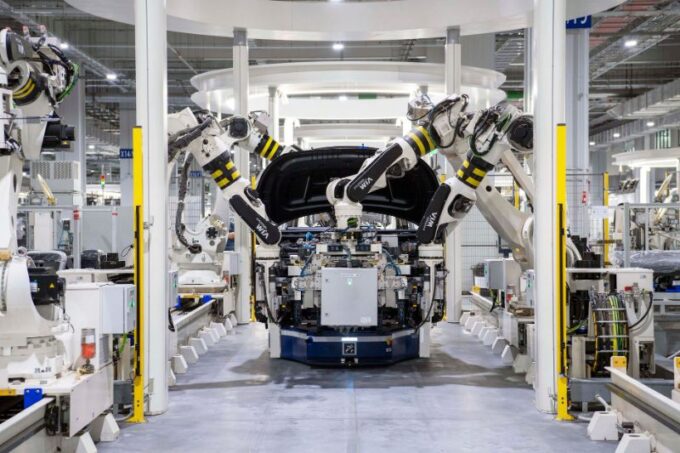
Trade analysts point to shipping lines rerouting cargo away from congested or higher-risk routes toward India’s west coast terminals, along with rising exports from Kerala and neighbouring states in seafood, spices, rubber and textiles. DP World’s investment in terminal automation and berth productivity at Cochin has also allowed the port to turn around vessels faster, making it a more attractive transshipment hub for lines connecting India to Middle East and African markets.
What Does This Mean for Exporters and Importers on the West Coast?
Higher throughput generally translates into more frequent vessel calls and shorter waiting times for exporters shipping out of Kerala and southern India, reducing inventory holding costs for time-sensitive cargo such as seafood and spices. Importers benefit from improved connectivity, though sustained volume growth of this pace can also test yard capacity and inland logistics links, an area port operators typically address through phased capacity expansion.
Market and Trade Reaction
DP World’s India operations, which also include terminals at Nhava Sheva, Mundra region facilities and Vizhinjam nearby, are increasingly cited by shipping lines as evidence of India’s improving port productivity relative to regional competitors. Logistics industry bodies have flagged the Cochin numbers as a positive signal for India’s broader ambition to capture a larger share of transshipment cargo currently routed through hubs like Colombo and Singapore.
What Happens Next?
DP World is expected to continue capacity investments at Cochin to sustain the growth trajectory, with industry watchers tracking whether the September and October numbers hold above the 90,000 TEU mark or reflect a one-off August spike tied to rerouted vessel calls. The terminal’s performance will also factor into broader discussions on India’s port capacity expansion plans under the government’s maritime infrastructure push.
Frequently Asked Questions
How much cargo did DP World Cochin handle in August 2026?
DP World Cochin’s ICTT handled 97,952 TEUs in August 2026, its highest-ever monthly throughput, up 51% year-on-year.
Why did container volumes at Cochin jump in August?
Rerouted shipping lines, rising regional exports and 51 additional ad hoc vessel calls between June and August contributed to the surge, alongside terminal productivity improvements.
What does higher port throughput mean for exporters?
It typically means more frequent vessel calls and shorter turnaround times, which can lower inventory and logistics costs for exporters shipping through the port.







Leave a comment