

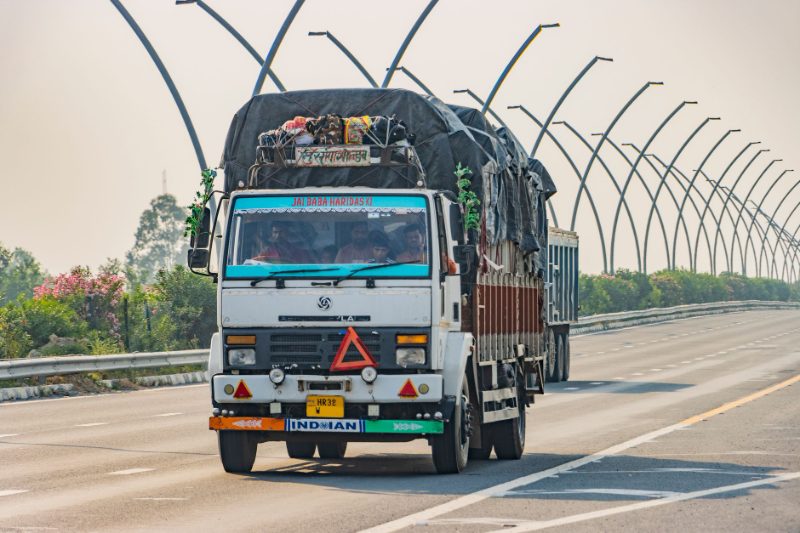
The Union Cabinet on September 22, 2026 approved the NCRPB vehicle replacement scheme, a two-year, ₹9,585-crore programme to retire old, polluting trucks and buses across the Delhi National Capital Region and replace them with cleaner BS-VI-compliant or electric vehicles. The scheme directly targets the vehicular emissions that fuel the region’s chronic winter smog.
The package carries a central outlay of ₹5,041 crore, routed through the National Capital Region Planning Board (NCRPB) under the Ministry of Housing and Urban Affairs, with an estimated ₹1,601 crore in tax concessions from the participating states of Delhi, Haryana, Rajasthan and Uttar Pradesh. The Ministry of Road Transport and Highways and the Ministry of Petroleum and Natural Gas will implement the scheme on the ground, working with state governments and district administrations.
Who Benefits From the NCRPB Vehicle Replacement Scheme?
The scheme targets roughly 2.07 lakh vehicle owners in Delhi-NCR who still run BS-IV or older trucks and buses — 1.91 lakh truck owners and 16,329 bus owners. They will receive financial incentives to scrap these vehicles and move to BS-VI-compliant diesel models or fully electric alternatives, lowering both emissions and long-run operating costs. Fleet operators who delay the switch risk rising compliance costs as emission norms tighten further in the coming years.
What Do Officials and Analysts Say?
Government officials have framed the scheme as a direct response to Delhi-NCR’s air quality crisis, which worsens every winter as vehicular emissions combine with stubble burning and construction dust to push the region’s Air Quality Index into “severe” territory. Transport policy analysts note that commercial fleets — trucks and buses — are disproportionate contributors to particulate pollution relative to their share of the vehicle population, making fleet renewal one of the more cost-effective levers available to policymakers compared to blanket vehicle bans.
Market and Trade Reaction
Commercial vehicle makers with strong BS-VI and electric truck and bus portfolios are likely to see incremental demand from Delhi-NCR’s fleet operators over the scheme’s two-year window. Scrappage and recycling firms running registered vehicle scrapping facilities in the region also stand to gain volumes as owners look to cash in incentives before the scheme’s deadline. Auto industry bodies have broadly welcomed the move as a demand-side push that complements existing EV subsidy programmes.
What Happens Next?
An Empowered Committee chaired by the Cabinet Secretary, with the NITI Aayog CEO, senior ministry secretaries and the chief secretaries of the four participating states as members, will monitor the scheme’s rollout, with the NCRPB Member Secretary acting as convenor. District Collectors and District Magistrates will handle implementation on the ground. The scheme runs for two years from its formal notification, after which the government is expected to review uptake and consider extending incentives if enrolment lags targets.
Frequently Asked Questions
What is the NCRPB vehicle replacement scheme?
It is a ₹9,585-crore, two-year Union Cabinet scheme that incentivises owners of BS-IV or older trucks and buses registered in Delhi-NCR to replace them with BS-VI-compliant or electric vehicles.
How many vehicle owners will the scheme cover?
Around 2.07 lakh vehicle owners are expected to benefit, comprising 1.91 lakh truck owners and 16,329 bus owners across Delhi, Haryana, Rajasthan and Uttar Pradesh.
Who is funding the NCRPB scheme?
The Centre is contributing ₹5,041 crore through the NCRPB, with the four participating states adding an estimated ₹1,601 crore in tax concessions.










Leave a comment