

The Madhya Pradesh cabinet, led by Chief Minister Mohan Yadav, approved proposals worth more than Rs 13,790 crore on September 22, 2026, covering irrigation, judiciary, sports and administrative infrastructure in one of the state’s largest single-day spending decisions this year. The package spans five-year irrigation projects, new sports complexes, and expanded court and legal-aid infrastructure.
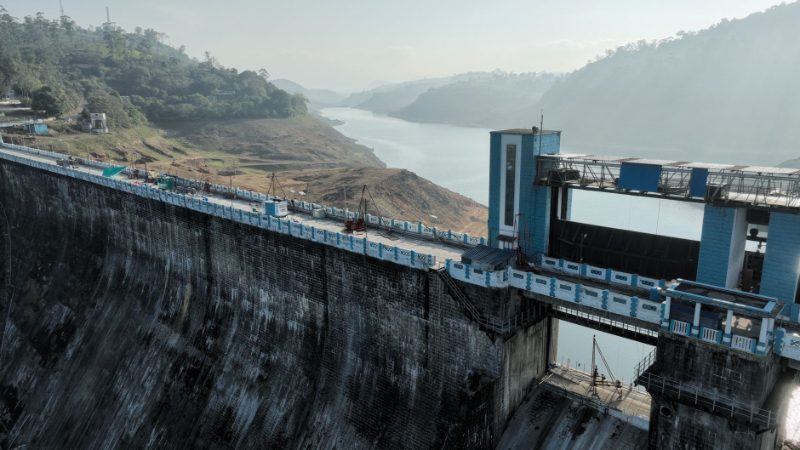
The largest single allocation went to the Jawad-Nimach Pressurised Micro Irrigation project in Neemuch district, worth Rs 4,197.58 crore for continuation from April 2026 to March 2031. Two further irrigation schemes in Rajgarh district, the Suthalia project (Rs 262.63 crore, covering 40,000 hectares) and the Parvati-Rinsi dam-based project (Rs 507.23 crore, covering 48,000 hectares), were also cleared for the same five-year window.
How Much Is Going Into Irrigation and Farm Infrastructure?
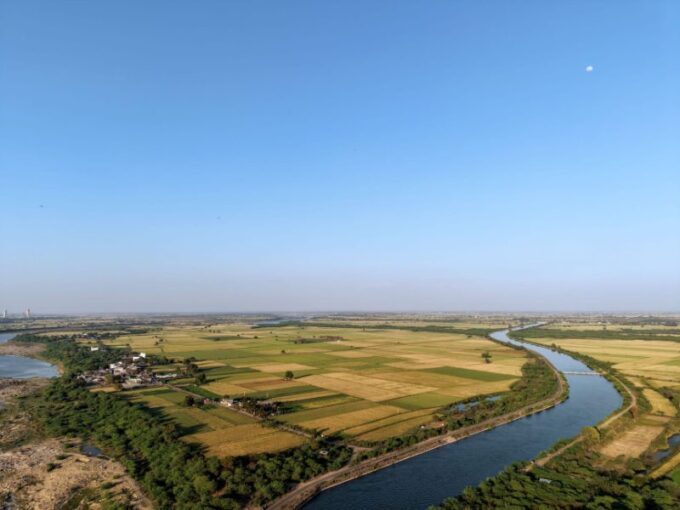
Combined, the three approved irrigation projects account for nearly Rs 4,967 crore, aimed at expanding pressurised micro-irrigation and dam-based command areas across Neemuch and Rajgarh districts. State officials say the five-year continuation of the Jawad-Nimach scheme alone is expected to stabilise water supply for tens of thousands of farming households that have depended on erratic monsoon rainfall. The irrigation push forms part of Madhya Pradesh’s broader push to raise its agricultural productivity ahead of the 2026-27 rabi season.
What Is Being Spent on Courts, Sports and Health?
The cabinet earmarked Rs 2,015.60 crore for High Court operations, Rs 1,000 crore for family courts, Rs 554.61 crore for the Gram Nyayalaya (village court) scheme, and Rs 524 crore for the state Legal Aid Board, marking a significant expansion of judicial infrastructure at the district and village level. Separately, Rs 962.50 crore was approved for constructing and operating “Chief Minister Sports Complexes” across all 140 assembly constituencies, complete with permanent helipads at central grounds under the PM Shri scheme. Medical education also received a boost, with 13 new teaching posts sanctioned at Government Dental College, Indore, raising BDS seats from 63 to 100 and MDS seats from 35 to 44.
Market and Trade Reaction
Construction, cement and irrigation-equipment suppliers operating in Madhya Pradesh are expected to see a fresh order pipeline from the approvals, particularly firms specialising in pressurised micro-irrigation systems and dam infrastructure. The state’s commercial tax department also received Rs 969.87 crore for systems upgrades, which trade bodies say should ease compliance for small and medium businesses once implemented. Energy traders noted the cabinet’s parallel approval of 2,800 MW of thermal power procurement via competitive bidding, aimed at meeting the state’s rising industrial and agricultural power demand.
What Happens Next?
Implementation of the irrigation projects is set to begin within the current fiscal year, running through March 2031 for the largest scheme. The sports complex rollout across 140 constituencies will proceed in phases, with land identification already underway in several districts. The state government is expected to table a progress update during the winter session of the Madhya Pradesh assembly.
Frequently Asked Questions
What did the Madhya Pradesh cabinet approve on September 22, 2026?
The cabinet approved proposals worth over Rs 13,790 crore covering irrigation projects in Neemuch and Rajgarh, judicial infrastructure including courts and legal aid, sports complexes across 140 constituencies, and administrative upgrades.
How much was allocated to irrigation projects?
Roughly Rs 4,967 crore combined was allocated across three irrigation schemes: the Jawad-Nimach Pressurised Micro Irrigation project, and the Suthalia and Parvati-Rinsi projects in Rajgarh district, all running through the 2026-2031 period.
What judicial infrastructure was approved?
The cabinet cleared Rs 2,015.60 crore for High Court operations, Rs 1,000 crore for family courts, Rs 554.61 crore for Gram Nyayalayas, and Rs 524 crore for the state Legal Aid Board.









Leave a comment