

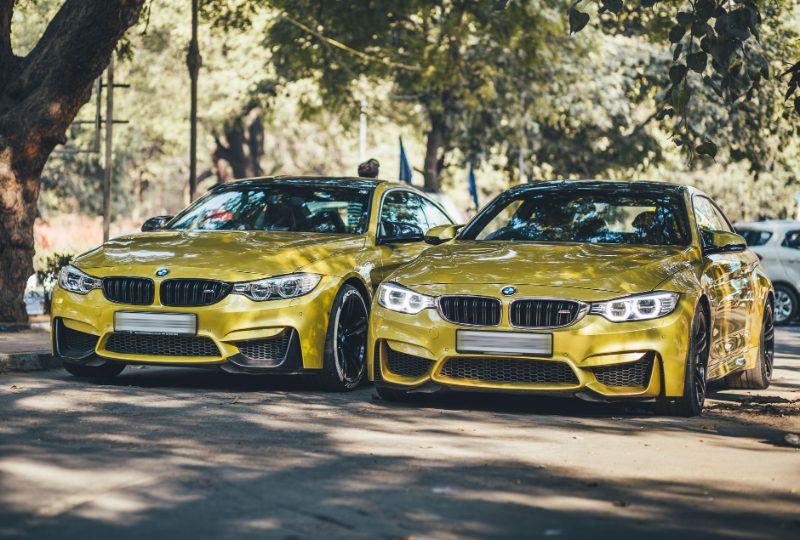
India’s passenger vehicle retail sales reached 427,213 units in September 2026, up 32.10% from a year earlier, according to data from the Federation of Automobile Dealers Associations (FADA) reported by Autocar Professional on 6 October 2026. The passenger vehicle retail figure also rose 6.17% from 402,398 units in August.
FADA’s numbers track vehicles actually registered to customers, not the wholesale dispatches that carmakers report to dealers. That makes the retail series the cleaner read on end-customer demand. Electric vehicles took an 8.45% share of September retail, up from 7.63% in August and 5.74% in September 2025.
Which Carmakers Led Passenger Vehicle Retail in September 2026?
Maruti Suzuki led with 169,132 units and a 39.59% market share. Mahindra & Mahindra followed with 57,343 units (13.42%), just ahead of Tata Motors at 57,254 units (13.40%). Hyundai retailed 50,201 units for an 11.75% share. The gap between Mahindra and Tata is only 89 units, which shows how closely the two compete for the number two position.
How Is the Fuel Mix Changing?
Petrol and ethanol-blended vehicles accounted for 41.27% of September retail, the largest share. CNG and LPG vehicles held 23.11%, hybrids 9.44% and EVs 8.45%. Taken together, those four categories show that buyers are spreading across powertrains rather than moving to a single technology. The EV share has risen steadily across the comparison periods FADA reported.
What Does the Data Mean for the Wider Auto Industry?
Retail growth of 24.48% in the April-September period of FY2027, to 2,544,187 units, shows that demand has stayed strong through the first half of the financial year. Component suppliers, financiers and dealers all benefit when retail volumes track wholesale numbers. September’s growth came ahead of the festive season, when dealers typically see their busiest weeks. Industry reports on September wholesale data cited festive-season demand, improved affordability after GST changes, and favourable financing conditions as supports for sales.
Market Reaction and Industry Response
The source report did not include stock-market reaction or a statement from FADA’s leadership on the September figures, and Industrial Front found no separate trade-body comment at the time of writing. The one cautionary data point in the release is dealer inventory, which stood at 43-45 days. That is well above FADA’s recommended benchmark of 21 days.
What Happens Next?
The key test is how retail performs through the festive period relative to the high inventory dealers are carrying. Elevated stock can pressure dealer margins and may prompt discounting if registrations slow. Readers should watch FADA’s October retail data, which will show whether September’s momentum carries into the festive months.
Frequently Asked Questions
How many passenger vehicles were retailed in India in September 2026?
FADA data show 427,213 passenger vehicles were retailed in September 2026. That is 32.10% higher than September 2025 and 6.17% higher than August 2026.
What was the EV share of passenger vehicle retail in September 2026?
Electric vehicles accounted for 8.45% of passenger vehicle retail in September 2026. The share was 7.63% in August 2026 and 5.74% in September 2025.
Why does dealer inventory matter?
Dealer inventory was 43-45 days in September 2026, against FADA’s recommended 21 days. High inventory ties up dealer capital and can lead to discounting if retail demand weakens.











Leave a comment