

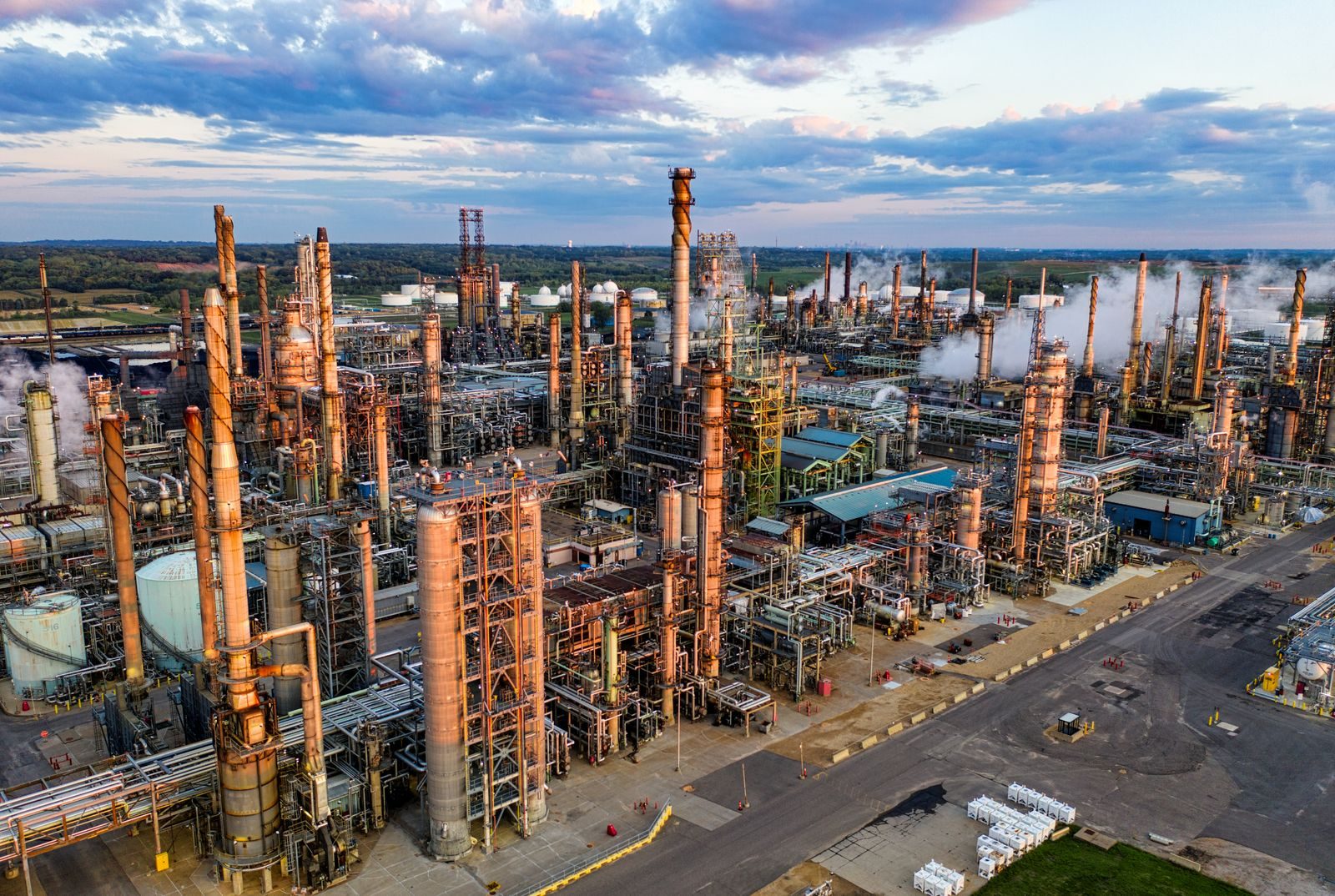
India’s chemicals and petrochemicals industry, worth about $220 billion today, is projected to reach $300 billion by 2030 and $1 trillion by 2040, according to a government factsheet released on Saturday, 7 November 2026.
The factsheet, reported by IANS, places India as the sixth-largest chemicals producer in the world and the fourth-largest in Asia. It also sets out the policy support the government is offering to expand manufacturing capacity and attract investment.
How Big Is India’s Chemicals Industry?
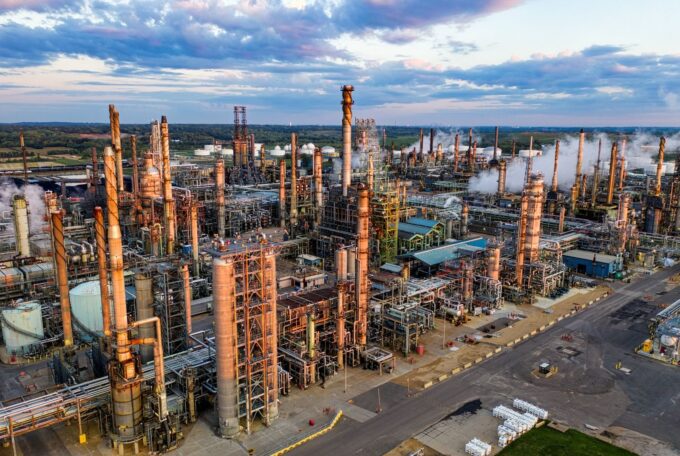
The factsheet puts the sector at about $220 billion at present. Production rose from 45,638 thousand metric tonnes in 2015-16 to 58,617 thousand metric tonnes in 2024-25. The industry comprises about 13,000 large-scale units and 4.45 lakh micro, small and medium enterprises (MSMEs).
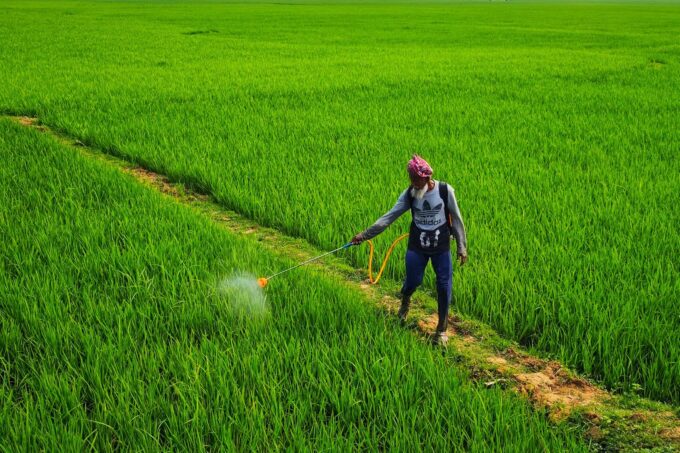
In specialty chemicals, India is the second-largest manufacturer and exporter of dyes and the third-largest exporter of agrochemicals, the factsheet says.
What Support Is the Government Offering to Chemical Makers?
Most chemical sectors allow 100% foreign direct investment (FDI) through the automatic route. The factsheet records FDI inflows of Rs 1,04,895 crore between 2014 and 2026.
It highlights two schemes. The BHAVYA Rasayan Scheme, approved in July 2026, funds three chemical parks of at least 8 sq km (2,000 acres) each. The Centre provides up to Rs 1,000 crore per park, and states must contribute at least Rs 500 crore. The total outlay is Rs 3,030 crore, running from FY 2026-27 to FY 2030-31.
The Research, Development and Innovation (RDI) Scheme, launched in November 2025, has a corpus of Rs 1 lakh crore. It aims to encourage private-sector research and innovation through long-term financing and refinancing.
What Does the Chemicals Industry Growth Target Mean for Manufacturers?
Dedicated chemical parks with shared infrastructure are aimed at helping manufacturers set up new capacity. Together with automatic-route FDI and the research corpus, the schemes target investment in both bulk and specialty chemicals, including the dyes and agrochemicals segments where India already ranks among the top exporters.
Market Reaction and Industry Response
No market reaction or trade-body comment on the factsheet was found in the sources reviewed. The factsheet itself did not name an official or carry direct quotes.
What Happens Next?
The BHAVYA Rasayan Scheme runs through FY 2030-31, so the three chemical parks are expected to take shape over the coming years. The factsheet does not give site locations or timelines for individual parks.
Frequently Asked Questions
How large is India’s chemicals and petrochemicals industry?
About $220 billion at present, according to the government factsheet of 7 November 2026.
What is the BHAVYA Rasayan Scheme?
A scheme approved in July 2026 to fund three chemical parks of at least 8 sq km each, with a total outlay of Rs 3,030 crore from FY 2026-27 to FY 2030-31.
Where does India rank in chemicals production?
Sixth-largest producer globally and fourth-largest in Asia, and second-largest manufacturer and exporter of dyes.
Source: IANS, 7 November 2026.







Leave a comment