

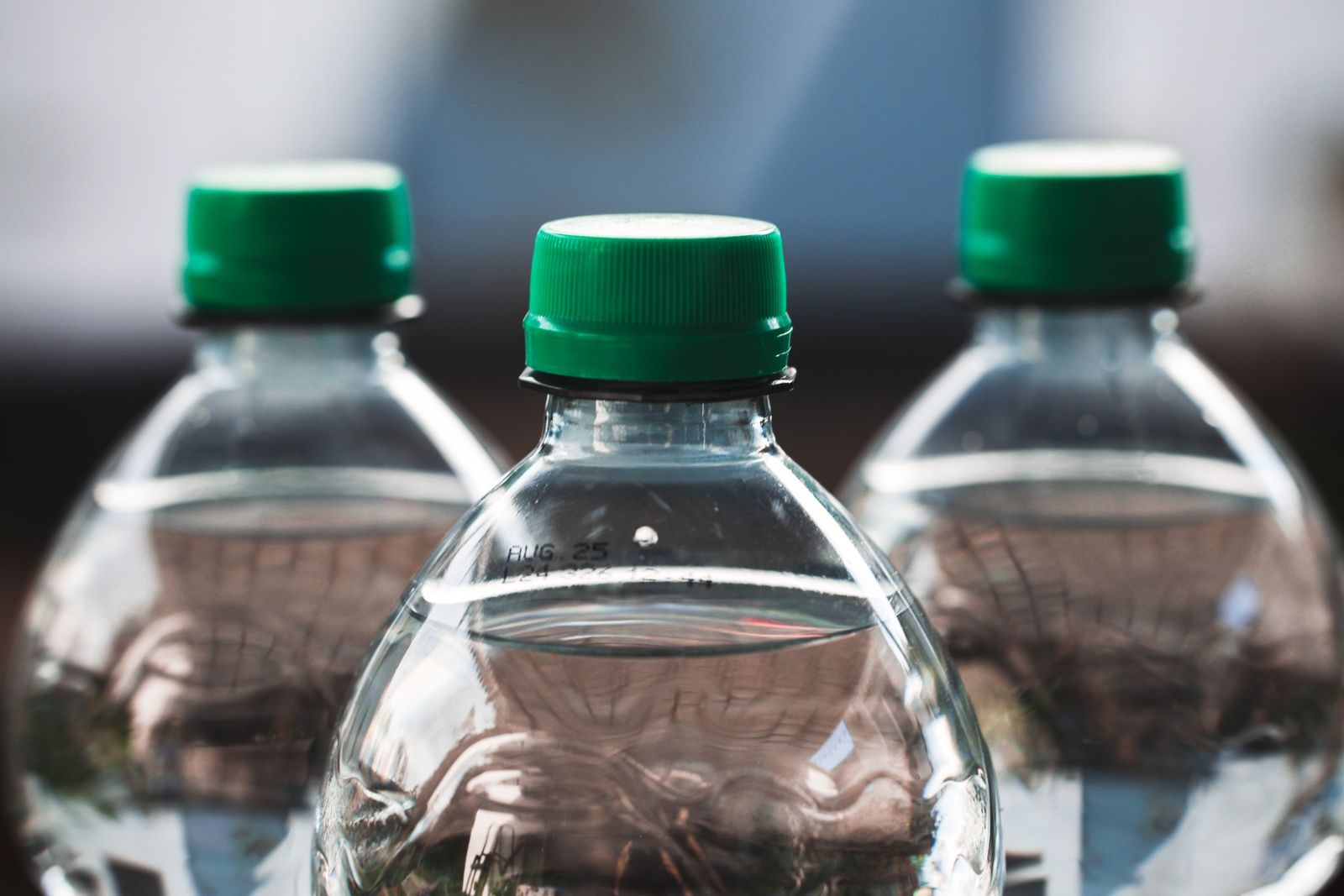
The Bisleri FSSAI batch action is limited to a single batch of packaged drinking water, Batch No. GO 270 made at the company’s Goa plant, the Food Safety and Standards Authority of India (FSSAI) clarified on 23 November 2026. Bisleri International says no stock from that batch is currently in the market and that all of its plants remain operational.
The clarification came a day after FSSAI said on Sunday, 22 November, that it had sanctioned prosecution against Bisleri International. According to Business Standard, the regulator said one packaged drinking water sample had failed laboratory tests for bromate above permissible limits and, on later testing, for polynuclear aromatic hydrocarbons (PAHs).
What did FSSAI find in the Bisleri batch?
FSSAI said the prohibition-of-sale order covers Batch No. GO 270 only, and that only this batch was found non-compliant. The regulator has asked Bisleri to carry out a root cause analysis. FSSAI also noted that, under the law, the referral laboratory’s report is final if a food business operator appeals.
Batch GO 270 was manufactured at Bisleri’s Goa plant on 27 September 2025, according to the report.
What has Bisleri said about the FSSAI findings?
Bisleri said FSSAI’s re-testing found bromate below the permissible limit. “The FSSAI has categorically and conclusively clarified on 23rd November 2026 that bromates were found below the permissible limit,” the company said, as reported by Business Standard.
The company acknowledged that one of six samples in a later round showed PAHs at 0.144 micrograms per litre, while another sample from the same batch cleared all parameters. Bisleri said it had questioned the laboratory findings, citing discrepancies, and had requested a PAH retest in February 2026. It added that no later FSSAI samples across its plants showed adverse PAH findings.
Bisleri said all 143 of its plants remain operational and compliant, and that its Goa facility has received no suspension order. “Bisleri produces more than 50,000 batches annually,” the company said. It also said it would consider legal action against what it called false and misleading claims.
What does the Bisleri case mean for packaged drinking water makers?
The case shows how a single non-compliant batch can lead to prosecution and a prohibition-of-sale order for a packaged drinking water brand, even when the regulator later narrows the scope of its action. FSSAI’s request for a root cause analysis means the manufacturer must trace why the batch failed, while its reminder that the referral laboratory’s report is final on appeal sets out how disputes over test results are settled.
For food and beverage processors, the episode underlines the importance of batch-level traceability: Bisleri was able to identify the plant and manufacturing date of the batch in question and state that it is no longer in circulation.
Market Reaction and Industry Response
The source report did not carry comment from industry associations or other packaged water makers, and no wider market reaction was found.
What Happens Next?
Bisleri has been asked by FSSAI to conduct a root cause analysis for Batch GO 270. The prosecution sanctioned by the regulator, and any legal action Bisleri pursues over what it called false and misleading claims, are the next points to watch.
Frequently Asked Questions
Which Bisleri batch is covered by the FSSAI order?
Only Batch No. GO 270 of packaged drinking water, manufactured at Bisleri’s Goa plant on 27 September 2025, according to FSSAI’s clarification of 23 November 2026.
What contaminants were reported in the Bisleri sample?
FSSAI said a sample failed tests for bromate above permissible limits and, on later testing, for polynuclear aromatic hydrocarbons (PAHs). Bisleri says re-testing found bromate below the limit and that one of six later samples showed PAHs at 0.144 micrograms per litre.
Are Bisleri plants still operating?
Yes. Bisleri says all 143 of its plants remain operational and compliant, and its Goa facility has received no suspension order.
Source: Business Standard, 24 November 2026.










Leave a comment