

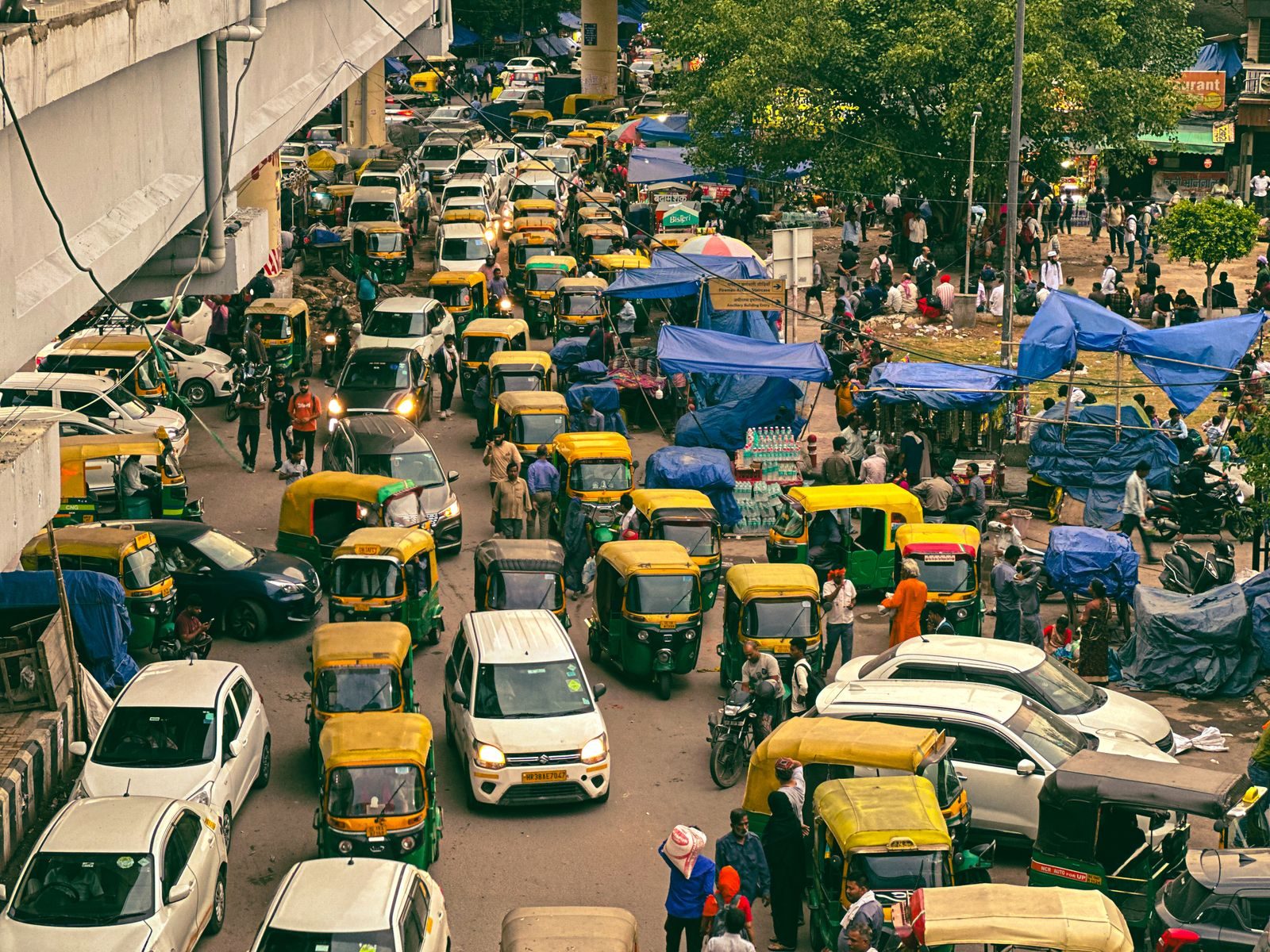
The Delhi EV Policy 2026 has received zero applications for its e-auto-rickshaw purchase subsidy and only 37 for electric goods carriers, according to government data reported by Autocar Professional on 25 November 2026. Electric two-wheeler incentives, by contrast, drew 12,584 applications.
The Delhi Electric Vehicles Policy 2026 was notified on 30 June 2026 and took effect from 1 July. The figures are as of November 2026.
How Many Applications Has the Delhi EV Policy 2026 Received?
- E-auto-rickshaw purchase subsidy: zero applications.
- Electric goods carrier purchase subsidy: 37 applications.
- ₹25,000 scrapping incentive for conventional three-wheelers: zero applications.
- ₹50,000 scrapping incentive for goods vehicles: one application.
- Electric two-wheeler incentives: 12,584 applications.
- ₹10,000 two-wheeler scrapping incentive: 237 applications.
What Incentives Does the Policy Offer?
Purchase incentives for e-auto-rickshaws are ₹50,000 in year one, ₹40,000 in year two and ₹30,000 in year three. Electric goods vehicles can get up to ₹1 lakh in year one, with lower amounts later. To claim the scrapping incentive, buyers must purchase a new EV within six months of getting a Certificate of Deposit from an authorised scrapping facility.
What It Means for EV Makers and Commercial Vehicle Sales
The policy sets firm deadlines. From 1 January 2027, only electric L5 three-wheelers and N1 goods vehicles can be newly registered in Delhi. From 1 April 2028, new two-wheeler registrations must be electric only. With the three-wheeler deadline weeks away, the low uptake of commercial vehicle subsidies is a concern for makers of electric three-wheelers and small goods carriers. Vehicular emissions account for 23% of Delhi’s winter air pollution, according to a Commission for Air Quality Management report cited in the notification.
Market Reaction and Industry Response
Unnamed industry representatives pointed to technical issues with the subsidy portal and the unavailability of some eligible electric goods vehicle models. Eligibility requires meeting central EV scheme criteria, including localisation. High upfront costs, maintenance concerns and limited charging infrastructure were also cited as barriers. No official response from the Delhi government was reported.
What Happens Next?
The registration rule for electric-only L5 three-wheelers and N1 goods vehicles takes effect on 1 January 2027. Whether the portal issues and model availability are fixed before then will decide how many commercial operators use the subsidies.
Frequently Asked Questions
When was the Delhi EV Policy 2026 notified?
It was notified on 30 June 2026 and took effect from 1 July 2026.
How much subsidy is available for an e-auto-rickshaw?
₹50,000 in year one, ₹40,000 in year two and ₹30,000 in year three.
When will only electric three-wheelers be registered in Delhi?
From 1 January 2027, only electric L5 three-wheelers and N1 goods vehicles can be newly registered.
Source: Autocar Professional, 25 November 2026.








Leave a comment