

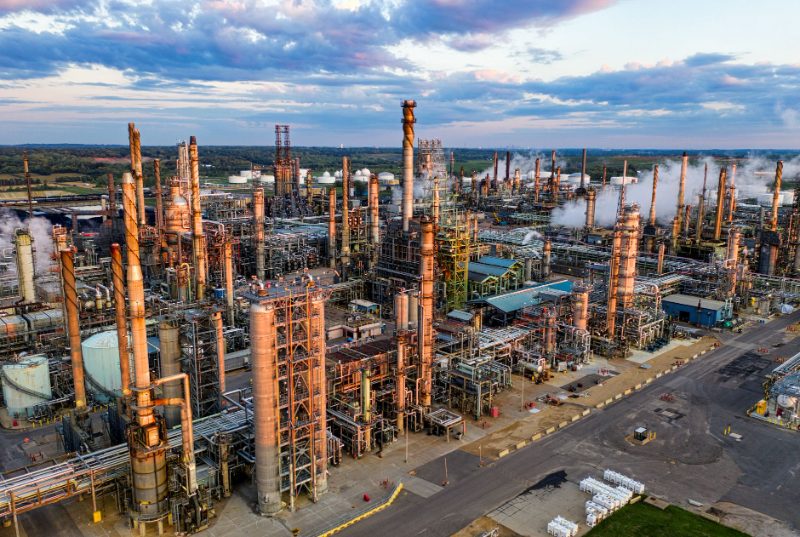
Evonik has rejected BASF’s unsolicited €10.3 billion ($11.7 billion) offer, sources told Reuters, saying the price was too low to open formal talks. The BASF Evonik takeover bid, priced at roughly €22.15 per share, would have created a far bigger European specialty chemicals group, but Evonik’s board wants a higher valuation before it engages.
BASF’s approach became public on Friday. By Monday, September 28, 2026, Evonik shares had closed at €19.84, up 2.4% from €18.07 the previous Thursday, while BASF shares fell about 3.6% after news of the approach broke. BASF says it is taking a disciplined approach and will not comment on price.
Why Did Evonik Reject the BASF Takeover Bid?
Evonik judged the offer of about €22.15 per share insufficient to justify formal negotiations or access to its books, according to reports. The proposal carried a 29% premium to Evonik’s share price before takeover speculation and implied an enterprise value of about €14.2 billion. Evonik’s rising share price on Monday suggests investors expect BASF to return with a higher offer.
What Does BASF Want From Evonik?
BASF argues that a merger would deliver operational efficiencies, strengthen customer relationships and reduce its concentration in specific regions. Evonik’s portfolio covers specialty plastics, animal feed supplements and components used in household and industrial coatings. BASF is known for engineering polymers, absorbent compounds, vitamins and industrial chemicals. The move would help BASF stay a global leader as it competes with rivals such as Dow and China’s Sinopec, and BASF chief executive Markus Kamieth is pushing to consolidate European operations.
What Does This Mean for the Global Chemical Industry?
European chemical makers face elevated energy costs, global overcapacity and weak demand across the region. Those pressures make consolidation more attractive to industry leaders. For buyers in India, including paint, coatings and plastics manufacturers that import specialty additives and polymers, a merger of two major suppliers could change pricing power, product ranges and supply contracts. Industrial Front recently reported that BASF is weighing an MDI plant at Dahej in Gujarat, showing how closely the group’s strategy links to Indian chemical capacity.
Market Reaction and Industry Response
Evonik’s stock gained 2.4% to €19.84 on Monday, while BASF investors reacted cautiously to integration risk and the financial burden of a large deal. BASF stated that the rationale rests on synergies that can be verified only if Evonik takes part in discussions.
What Happens Next?
The key stakeholder is RAG-Stiftung, a state-backed foundation that holds 44% of Evonik. Its position will likely decide whether talks begin, and any deal will face scrutiny over jobs and industrial strategy. Watch for a raised BASF offer, a formal Evonik response and any regulatory comment in the coming weeks.
Frequently Asked Questions
How much did BASF offer for Evonik?
BASF proposed about €22.15 per share, valuing Evonik’s equity at roughly €10.3 billion ($11.7 billion). That is a 29% premium to the pre-speculation share price and an enterprise value of about €14.2 billion.
Who owns Evonik and can block the deal?
RAG-Stiftung, a state-backed foundation, holds 44% of Evonik. Its support is likely to be decisive for any transaction.
Why does the BASF Evonik deal matter to Indian companies?
Both groups supply specialty chemicals, polymers and coatings ingredients used by Indian manufacturers. A merger could reshape supplier pricing and availability, though nothing changes unless talks proceed.










Leave a comment