

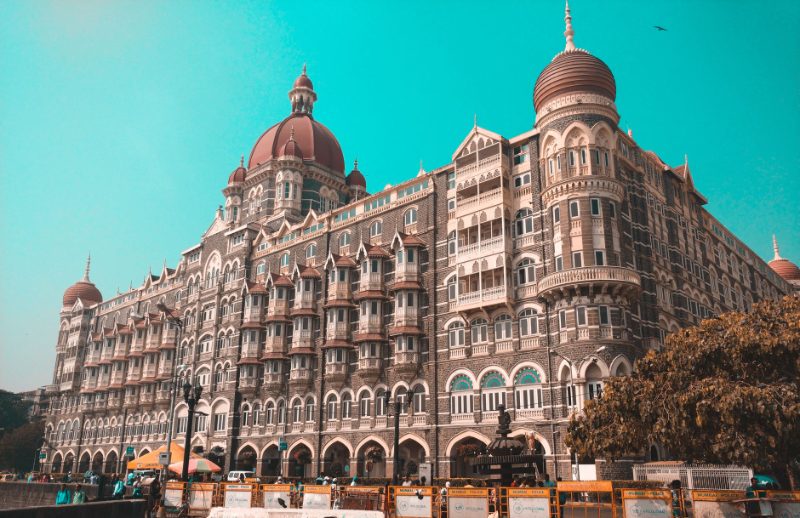
IHCL’s flagship Taj brand has crossed the 150-hotel milestone after signing three new properties in Dharamshala in Himachal Pradesh, Barapani in Meghalaya, and Kusur Valley in Maharashtra. The signings came during the first quarter of FY2027, as IHCL continues executing its Accelerate 2030 strategy, which targets a global portfolio of 700 hotels by the end of the decade.
The milestone forms part of a broader quarter of expansion for IHCL, which clocked 20 hotel signings and 11 openings in Q1 FY2027, taking its total portfolio to 645 hotels with more than 66,000 keys across 15 countries. To manage this scale of growth, IHCL has also restructured its business into two verticals, separating its core operations to sharpen focus on both the luxury Taj brand and its broader multi-brand portfolio, including Ginger and Tree of Life.
Why Is IHCL Expanding Into Smaller Markets Like Dharamshala and Meghalaya?
Rather than concentrating solely on established metro markets, IHCL is deliberately pushing the Taj brand into tier 2 and tier 3 destinations, following a pattern the company has repeated with recent brownfield and greenfield signings in emerging leisure and pilgrimage markets. Destinations like Dharamshala, a growing hill-station and pilgrimage draw in Himachal Pradesh, and Meghalaya’s Barapani, reflect a bet that India’s post-pandemic travel recovery is structurally anchored in domestic demand for experience-based and regional travel, rather than solely inbound international tourism.
What Does This Mean for India’s Hospitality Sector?
IHCL crossing 150 Taj-branded hotels signals that India’s largest hotel company sees continued headroom for luxury and upscale expansion even as some indicators point to a broader sector slowdown in parts of the market. Competing chains including Marriott, Hilton and IHG are simultaneously expanding their India footprints, with some, like IHG, partnering directly with airport operators, suggesting the next phase of India’s hotel boom will be defined by regional diversification rather than concentration in a handful of major cities.
Industry Reaction and Expert Commentary
Hospitality industry trackers note that IHCL’s decision to split its business into two verticals is intended to give both the luxury Taj brand and its wider portfolio company sharper strategic focus as the group scales toward 700 hotels by 2030. Analysts following India’s key hotel markets have also pointed to strong average room rate growth in cities like Bengaluru, up 15 to 17% year-on-year in some recent reporting periods, as evidence that demand fundamentals continue supporting expansion even amid mixed signals elsewhere in the sector.
What Happens Next?
IHCL is expected to continue announcing new Taj signings across both established and emerging markets as it works toward its 700-hotel target by 2030, with Q2 FY2027 results likely to show further progress on both signings and openings. Watch for additional detail on how the newly split business verticals perform independently and whether the pace of tier 2 and tier 3 city expansion accelerates further.
Frequently Asked Questions
How many Taj hotels does IHCL now operate?
IHCL’s Taj brand has crossed 150 hotels following new signings in Dharamshala, Meghalaya and Maharashtra during Q1 FY2027.
What is IHCL’s long-term expansion target?
IHCL is targeting a global portfolio of 700 hotels by 2030 under its Accelerate 2030 strategy, and currently operates 645 hotels with over 66,000 keys across 15 countries.
Why is IHCL expanding into smaller cities and hill towns?
IHCL is targeting emerging leisure and pilgrimage markets like Dharamshala and Meghalaya because India’s travel recovery is increasingly driven by domestic, experience-based and regional demand rather than only major metro or inbound tourism.











Leave a comment