


Inter IKEA Group has launched a new IKEA Product Development Centre in India to strengthen local product development capability and speed up the creation of affordable, well-designed home-furnishing ranges for Indian and global shoppers alike. The centre operates on behalf of IKEA of Sweden, the entity responsible for developing IKEA’s worldwide product range, and marks one of the company’s most concrete steps yet toward building a self-sufficient product pipeline out of India.
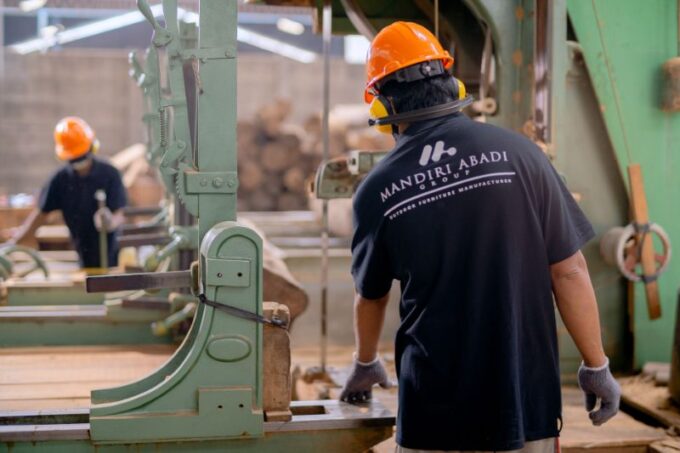
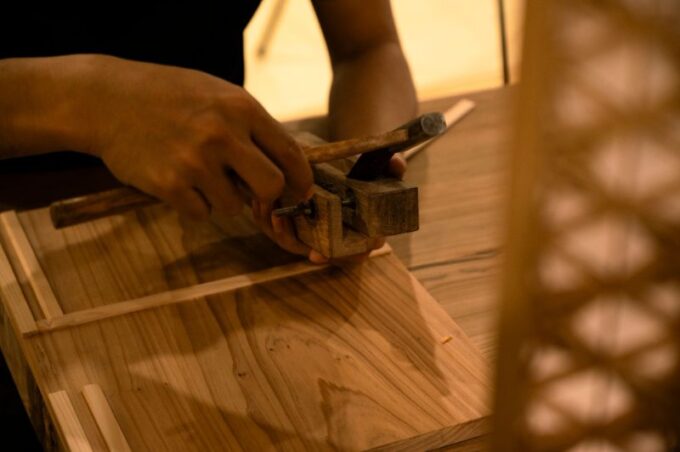
The IKEA Product Development Centre India was announced in early June 2026, with fuller details on its scope and roadmap emerging in July 2026. The centre works directly with IKEA’s Indian supplier base, a mix spanning highly automated factories and artisan-led craftsmanship, to translate local materials, skills and price points into products that can sit on IKEA shelves both in India and overseas. It has been tasked with developing roughly 500 products tailored to Indian needs, of which about 150 have already launched and more than 200 are currently in development. The centre effectively becomes a bridge between Indian manufacturing capability and IKEA’s global design and engineering standards, a role previously handled largely out of Sweden and other established sourcing hubs.
Why Did IKEA Set Up a Product Development Centre in India?
IKEA wants to reduce its dependence on imported and globally sourced components, which exposes it to currency swings, freight costs and supply-chain disruption. By developing products locally, in partnership with Indian factories and artisans, the company can lock in more stable input costs and pass on lower prices to Indian customers. The centre also lets IKEA of Sweden tap into India’s manufacturing and craft base for products destined for stores well beyond India, turning local sourcing into a two-way commercial opportunity rather than a purely defensive move. India’s combination of large-scale automated production alongside traditional artisan clusters gives IKEA a rare mix of capabilities it can draw on for different product categories, from mass-market textiles to handcrafted decor pieces.
What Does This Mean for India’s Furniture and Manufacturing Sector?
The move deepens IKEA’s commitment to India as both a market and a manufacturing base, at a time when the company is already in an intensive capital-expenditure phase, with profitability in the country targeted for 2028. IKEA has separately signalled plans to more than double its India investment to roughly $2.2 billion over five years, money that will flow into stores, sourcing infrastructure and now product development. For Indian furniture manufacturers and artisan clusters, closer integration with IKEA’s supply chain could mean higher-volume orders, tighter quality benchmarks and exposure to export markets, while domestic furniture brands may face sharper competition on price and design from a more locally rooted IKEA range. Component suppliers, particularly those working in wood, textiles and metal fittings, stand to benefit from longer-term contracts as IKEA shifts more of its development work, not just manufacturing, onto Indian soil.
Market Reaction and Industry Response
Industry watchers have framed the new centre as part of a broader pattern among global retailers localising sourcing in India to manage cost volatility, alongside IKEA’s continued store expansion in cities beyond the metros. Indian supplier groups and furnishings manufacturers view the development as an opportunity to move up the value chain, from contract manufacturing toward co-development of products that carry IKEA’s design and engineering standards. Retail analysts note that a locally developed range, priced for Indian budgets, could help IKEA narrow the gap with domestic and unorganised furniture retailers that have historically undercut it on price. Trade observers also expect the centre to encourage more structured, long-term partnerships between IKEA and India’s furniture manufacturing clusters, rather than transactional, order-by-order sourcing arrangements.
What Happens Next?
With around 150 products already on shelves and more than 200 in the pipeline, IKEA is expected to keep rolling out new India-developed products through 2026 and 2027 as it works toward its roughly 500-product target. The centre’s progress will likely be watched alongside IKEA’s broader India capex plans and its 2028 profitability goal, with further updates expected as new stores open and the supplier network expands. Analysts will also track how much of the centre’s output eventually reaches IKEA stores outside India, a signal of how far the company’s India strategy has shifted from selling in India to sourcing from India. The pace of new product launches over the coming quarters will be an early indicator of whether the centre can hit its 500-product target on schedule.
Frequently Asked Questions
What is the IKEA Product Development Centre India?
It is a new entity set up by Inter IKEA Group to develop affordable, locally relevant home-furnishing products for the Indian and global markets, working on behalf of IKEA of Sweden. It collaborates with IKEA’s Indian suppliers, from automated factories to artisan workshops, to design products suited to local price points.
How many products is the centre developing?
The centre is tasked with developing around 500 products suited to Indian needs and price points. As of July 2026, roughly 150 products have already launched, with more than 200 additional products currently in development.
How much is IKEA investing in India?
IKEA has signalled plans to more than double its India investment to approximately $2.2 billion over five years, covering stores, sourcing and product development, as it targets profitability in the Indian market by 2028.











Leave a comment