

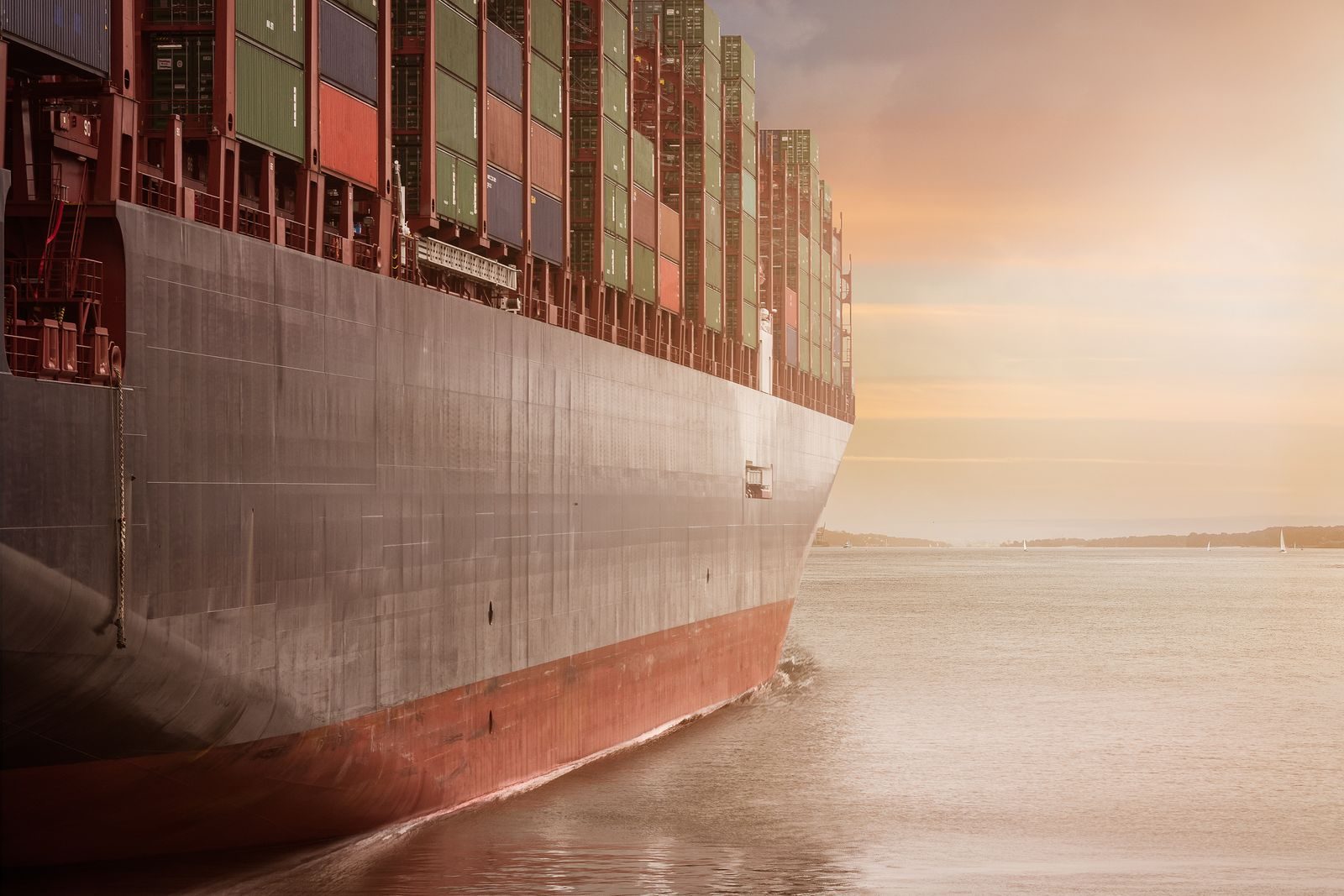
India FTA market access could widen to markets representing USD 85 trillion, or 76 per cent of global GDP, Commerce and Industry Minister Piyush Goyal has said. Speaking at the valedictory session of the Federation of Indian Chambers of Commerce and Industry (FICCI) Annual General Meeting and Annual Convention in New Delhi, he said India’s existing trade agreements already cover markets of about USD 70 trillion, up from about USD 10 trillion before 2014.
The additional USD 15 trillion is expected to come from engagements with “eight or nine other geographies”, both bilateral and multilateral, according to an ANI report published on 20 November 2026. An IANS report said the minister spoke on Thursday, delivering a valedictory keynote titled “India’s Growth Imperative: Building a Globally Competitive Economy”, and that several agreements, including one with the United States, are expected to be finalised in the coming months. The two reports describe the timeframe differently, so no single date for reaching the USD 85 trillion figure is given here.
Why are more countries seeking trade agreements with India?
Goyal said requests for free trade agreements now come up wherever he travels. “Every place I go to, the first demand is, ‘We want to do a free trade agreement with you’,” he said, as quoted by ANI.
He gave two recent examples. During his recent visit to Egypt, both countries agreed that officials would study a possible preferential trade agreement or free trade agreement and finalise terms of reference. “Our teams are going to sit and study the potential preferential trade agreement,” he said. In Italy, he said, businesses are anticipating the signing and implementation of the India-European Union FTA.
What does India FTA market access mean for MSMEs and exporters?
The minister said trade agreements should benefit farmers, artisans and micro, small and medium enterprises, not only large corporations. He said FTAs are helping Indian firms enter markets that are becoming “cost uncompetitive”.
He also called for a change in outlook, from reducing India’s dependence on other economies to building leverage. “We need to make the world dependent upon us. We have to create leverage in India,” he said. According to IANS, he reiterated the push towards a USD 1 trillion overall export target for FY27 and said India’s exports in October were USD 90 billion, which he called an all-time high.
Market and Trade Reaction
Neither report carried a response from FICCI or exporter bodies to the minister’s remarks, and no market reaction was reported. Goyal urged FICCI to strengthen its global outreach and act as a bridge between Indian businesses and overseas markets.
What Happens Next?
Officials from India and Egypt are to study a possible trade pact and settle terms of reference. The India-EU FTA is awaiting signing and implementation. On other negotiations, the minister indicated that more agreements are expected, but the reports did not list the eight or nine geographies or give dates for individual deals.
Frequently Asked Questions
How much of global GDP do India’s trade agreements cover?
According to Piyush Goyal, existing agreements give India preferential access to markets of about USD 70 trillion. Ongoing engagements could add about USD 15 trillion, taking the total to USD 85 trillion, or 76 per cent of global GDP.
Which countries did the minister mention?
He referred to Egypt, where officials will study a preferential or free trade agreement, and Italy, where businesses are awaiting the India-EU FTA. IANS reported that he also expects an agreement with the United States.
Where did Piyush Goyal make these remarks?
At the valedictory session of FICCI’s Annual General Meeting and Annual Convention in New Delhi.
Source: ANI report carried by The Tribune, 20 November 2026; IANS report carried by The Sentinel, 20 November 2026.











Leave a comment