

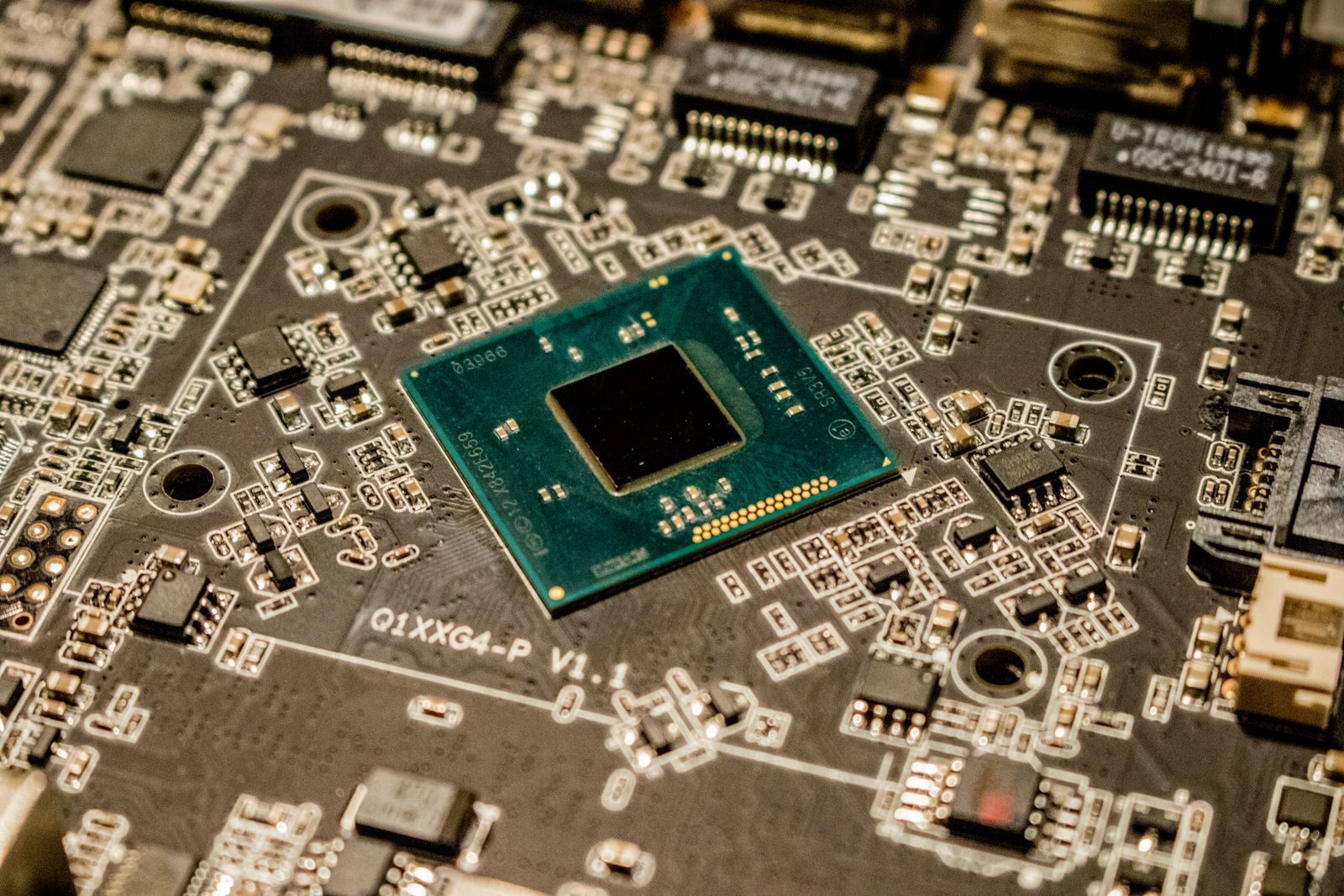
India aims to develop an indigenous GPU within about 24 months, Electronics and Information Technology Secretary S. Krishnan has said. The target will be pursued under India Semiconductor Mission 2.0 (ISM 2.0), also called Semicon 2.0, as part of a push to reduce reliance on foreign chipmakers.
Krishnan described the 24-month goal as a “development target” rather than a firm commercial launch date, according to an ETGovernment interview published on 4 November 2026 and reported by Elets on 6 November. IANS reported the same timeline on 9 November from New Delhi.
What has the government said about the indigenous GPU?
Krishnan acknowledged the project would be complex. No manufacturer, chip architecture or technical specifications have been named. The rationale, as reported, is that only a small number of firms worldwide make AI accelerator chips, which keeps prices high, and a domestic GPU is meant to reduce that dependence.
The Union Cabinet approved ISM 2.0 on 15 July 2026 with an outlay of Rs 1,27,500 crore, per a PIB release cited by Elets. Fabrication facilities can receive 40% support and advanced packaging 35%. In phase 1 of the Design Linked Incentive scheme, 24 companies received assistance and 15 of them later raised venture capital.
Where does the GPU fit in India’s five-layer AI stack?
Krishnan laid out five layers: energy and power; chips and accelerators; servers and compute; AI models; and applications and enterprise adoption. He called the application layer perhaps the most important. On servers, he named manufacturers VVDN Technologies, Kaynes Technology and Avalon Technologies, along with C-DAC’s Rudra series, including Rudra 3. On models, more than 20 indigenous models are being supported under the IndiaAI Mission, with a hope that at least two reach frontier scale. India is also commercialising the indigenous SHAKTI and VEGA RISC-V processors.
What it means for Indian businesses and the IT workforce
Citing NITI Aayog, Krishnan said AI could create a Y2K-like opportunity for Indian IT. The figures he cited: about six million IT/ITES jobs today, roughly two million at risk of redundancy, and about four million new roles possible.
Industry Reaction and Expert Commentary
Amitesh Kumar Sinha, Additional Secretary at MeitY and CEO of the India Semiconductor Mission, spoke at the ISIG Executive Summit India 2026 on 5 November. He said India has approved 12 manufacturing projects, five of which have begun commercial production, and that Semicon 2.0 is “building the broader ecosystem, including design companies, materials, chemicals” alongside manufacturing, R&D and talent. IANS also reported that ASML is partnering with Tata Electronics to support India’s first commercial semiconductor fab in Dholera, Gujarat, expected to use 300mm wafers and eventually reach 50,000 wafers per month, and that Intel has a strategic partnership with the Tata Group on manufacturing and packaging. No independent industry reaction to the GPU target was found in the sources reviewed.
What Happens Next?
IANS reported that the government plans to pursue the project under the upcoming ISM 2.0. Details such as who will design and fabricate the chip, and its performance targets, have not been announced.
Frequently Asked Questions
When does India expect to have its own GPU?
MeitY Secretary S. Krishnan has set a development target of about 24 months, which he described as a target rather than a commercial launch date.
Which scheme will fund the GPU effort?
It will be pursued under India Semiconductor Mission 2.0, which the Union Cabinet approved on 15 July 2026 with an outlay of Rs 1,27,500 crore.
Who will make the chip?
No manufacturer, architecture or specifications have been named so far.
Source: IANS via SocialNews.XYZ, 9 November 2026; Elets CIO (ETGovernment interview), 6 November 2026.










Leave a comment