

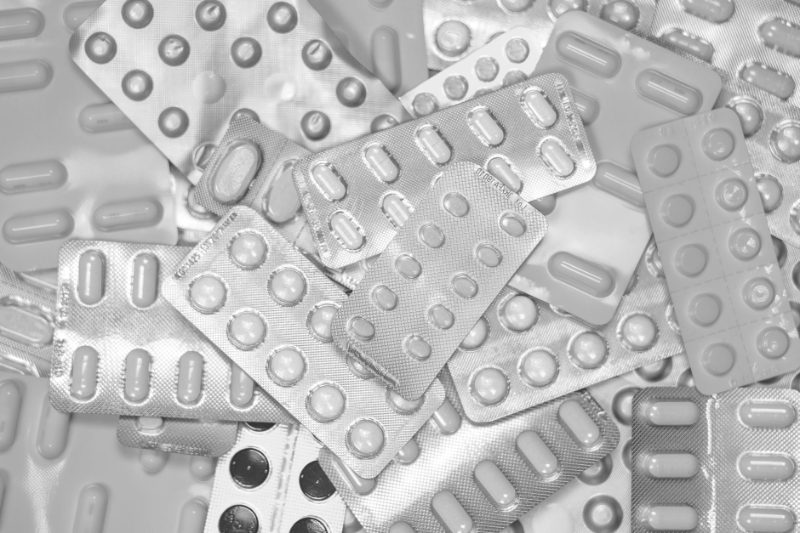
India’s generic pharmaceutical exporters have secured a temporary reprieve from the new US Section 232 tariff on pharmaceuticals, since the 100% duty that took effect on 31 July 2026 applies only to patented drugs and their active pharmaceutical ingredients, not to generics or biosimilars. Generic medicines make up the overwhelming majority of India’s pharmaceutical exports to the United States, meaning the headline tariff rate does not directly hit the bulk of India’s pharma trade.
India is the world’s largest supplier of generic medicines by volume, and the US is its single biggest pharmaceutical export market. Industry trackers estimate that a large share of India’s roughly $8 billion in annual pharmaceutical exports to the US consists of generic formulations, which fall outside the scope of the new Section 232 tariff.
How Does the Pharma Tariff Exemption Help Indian Exporters?
Because the 100% tariff targets patented, branded pharmaceutical products rather than generics, Indian companies focused on generic drug manufacturing, including major exporters supplying the US retail and hospital pharmacy channels, continue to access the American market without the new duty. Exporters with a small patented-drug portfolio bound for the US will still need to evaluate onshoring or MFN pricing arrangements to avoid the tariff on that narrower slice of their business, but industry analysts say this affects a limited number of Indian firms compared with the broader generics-driven export base.
What Do Industry Bodies Say About the Exemption?
Pharmaceutical industry associations in India have described the exclusion of generics as a relief, given that a blanket tariff on all pharmaceutical categories would have materially dented India’s largest single pharma export market. Trade analysts caution, however, that the exemption is not guaranteed to be permanent, noting that US trade policy on pharmaceuticals has shifted multiple times in 2026 and could be revisited as the onshoring push gathers pace over the coming quarters.
Market and Trade Reaction
Shares of India’s larger generic drugmakers have shown relative stability following confirmation that the Section 232 tariff excludes their core product categories, in contrast to the volatility seen in stocks of companies with meaningful patented-drug exposure to the US. Currency markets have shown limited direct reaction, since the pharmaceutical sector’s exemption reduces the immediate risk to India’s trade balance with the United States that a broader tariff would have posed.
What Happens Next for India’s Pharma Exports?
Indian exporters and industry bodies are expected to continue monitoring US trade policy closely, particularly any move to narrow the generics exemption or extend tariff coverage to additional pharmaceutical categories. The Commerce Ministry is likely to factor the pharma exemption into its ongoing trade discussions with Washington, using it as a template for protecting other export categories where India holds a similar cost advantage.
Frequently Asked Questions
Does the new US pharma tariff apply to Indian generic drug exports?
No. The 100% Section 232 tariff applies only to patented pharmaceutical products and their active pharmaceutical ingredients, while generics and biosimilars, which dominate India’s pharma exports, are excluded.
How big are India’s pharmaceutical exports to the US?
India exports roughly $8 billion worth of pharmaceuticals to the United States annually, with generic medicines accounting for the large majority of that trade.
Could the pharma tariff exemption for generics change?
Trade analysts note that US pharmaceutical tariff policy has shifted multiple times in 2026, so the current exemption for generics is not guaranteed to remain unchanged.








Leave a comment