

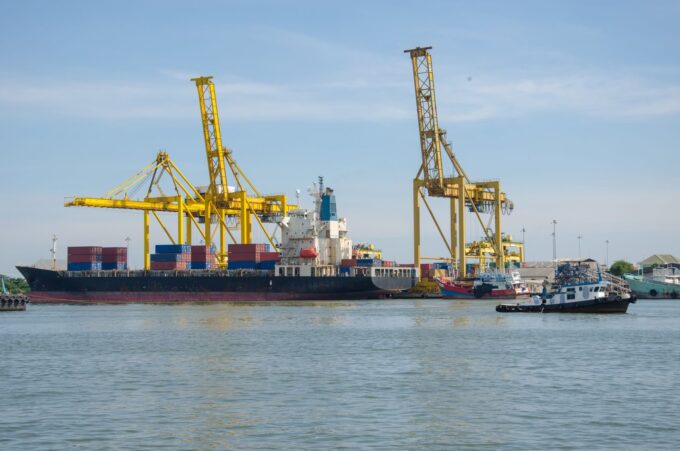
Shipping a container from India’s west coast to the Middle East now costs more than at any time in five years. The jump reflects the war around the Strait of Hormuz, which has forced carriers to switch ports and pile up delays across the Gulf.
S&P Global’s Platts assessed the spot rate from West Coast India to the Middle East at $5,500 per 40-foot container (FEU) on 28 October. The rate for a 20-foot container (TEU) was $4,000. Both have risen by about 1,900% since 27 February. They are now above the previous peak set in November 2021.
Ports and ships under strain
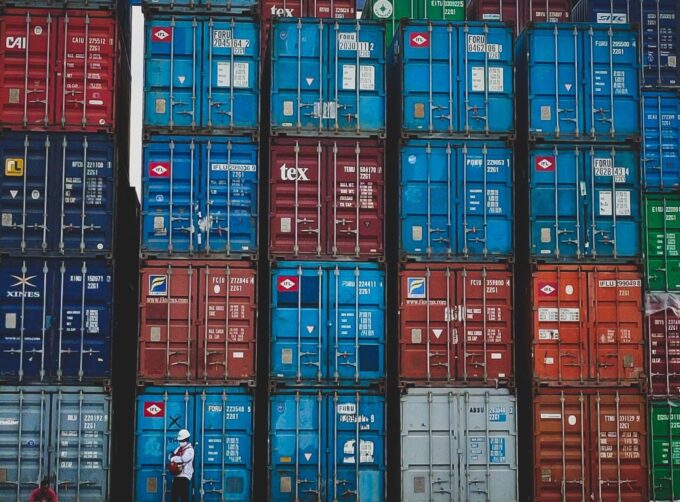
Carriers have moved calls away from ports inside the Strait to ones outside it, including Khor Fakkan and Fujairah in the UAE, Sohar in Oman and Jeddah in Saudi Arabia. Delays are growing at these ports. Shipping lines are reluctant to send more equipment into the region while containers are already backed up there, and storage costs are rising.
One shipper told Platts: “Rates are now secondary; there are not enough vessels being taken to Khor Fakkan.”
Insurance has added to the bill since the conflict began. In early April, broker Lockton India said war-risk premiums for Hormuz voyages had risen 200–300% from pre-war levels, and in some cases more than tenfold.
The risks are real. Two Singapore-registered container ships, GFS Pride and GFS Giselle, were hit by unknown projectiles in the Strait on 13 and 14 October. Only 21 ships crossed the Strait on 26 October. Some market sources expect volumes to rise from late November through January, ahead of Ramadan in February 2027.
East–West routes look different
On the main East–West trades, the picture is calmer. Drewry’s World Container Index fell 3% in the week of 29 October, ending two weeks of gains. Rates from Shanghai to Rotterdam rose 1%, while Shanghai to Genoa was flat.
More ships are using the Suez Canal again. In the week to 1 November, 53 container ships passed through Suez, 130% more than a year earlier. About 60% of Asia–Europe capacity now goes through the canal rather than around Africa. Drewry expected 56 of 715 planned sailings to be cancelled in the five weeks from week 45, or about 8%. Analysts at Sea-Intelligence say the amount of ship capacity deployed on East–West routes is at historically high levels, which is keeping a lid on rates.
What it means for paint costs
For Indian paint and chemical companies, the Gulf rates matter in two ways. Many raw materials, including solvents and monomers from Saudi Arabia and the UAE, come from the region. Paint makers with plants or customers in the Gulf also ship finished goods there.
The cost of disruption is already showing up in company results. Atul blamed higher freight costs, along with energy and input costs, for its lower margin in the September quarter. Tronox said its titanium dioxide plant at Yanbu in Saudi Arabia had unplanned downtime when the East-West gas pipeline was shut for a period.
There are early signs of relief elsewhere. Vinati Organics said its logistics costs had begun to ease in the October–December quarter. A fuller return of Asia–Europe ships to Suez should also cut transit times and costs for imports from Europe, such as specialty additives and resins.
For Gulf-linked trade, though, buyers should not expect a quick fall. Rates will stay high until ships can move freely through Hormuz again. Companies sourcing from the region should build in longer lead times, keep extra stock, and check whether suppliers can ship from Red Sea ports such as Jeddah instead.
This article appeared in the November 2026 print edition of Industrial Front (Volume 7, Issue 8).



Leave a comment