

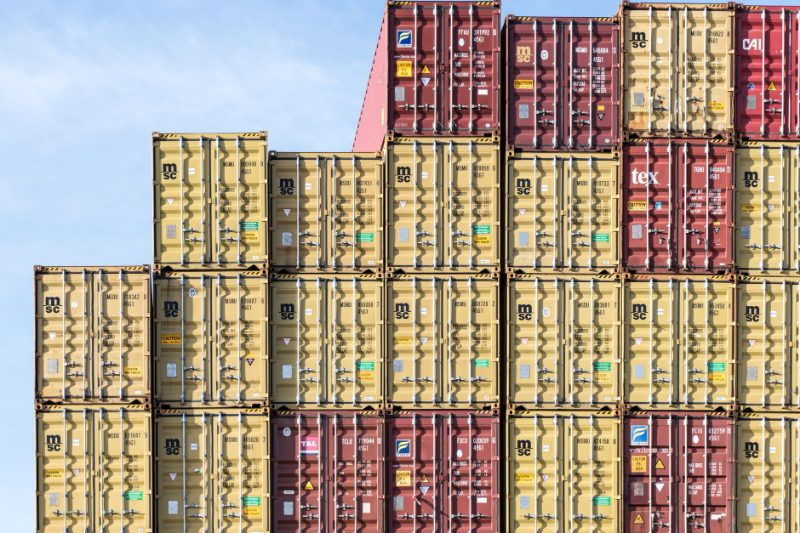
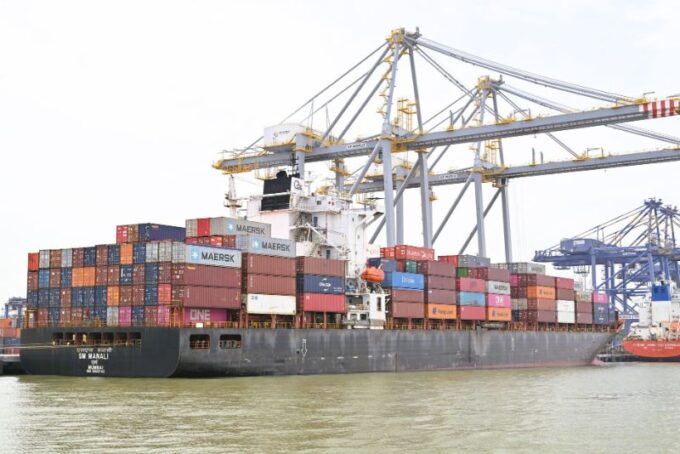
India’s merchandise exports grew nearly 15% year-on-year in the April-July 2026 period, Commerce Minister Piyush Goyal has reported, even as the country awaits final terms of a comprehensive trade pact with the United States. India goods exports growth for the first four months of the fiscal year reached $129.32 billion in the April-June quarter alone, up 15.92% year-on-year, according to Ministry of Commerce and Industry data.
June 2026 alone saw record monthly exports of $40.41 billion, up 15.5% year-on-year, though imports climbed roughly 31% to $70.84 billion in the same month, widening the trade deficit to a five-month high. Petroleum and crude oil imports rose 23% to $19.32 billion, electronic goods imports rose 43.76% to $13.36 billion, and gold imports jumped 47.1% to $1.96 billion, reflecting strong domestic demand alongside export growth.
Which Sectors Are Driving India’s Export Growth?
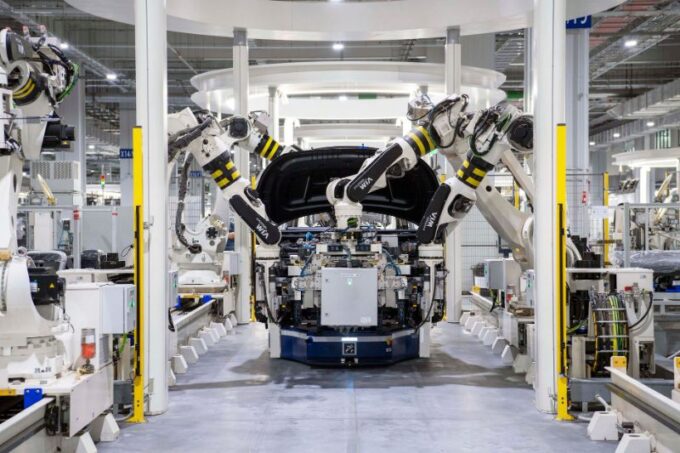
Engineering goods, electronics and petroleum products have emerged as the strongest contributors to the export upswing, benefiting from both global demand recovery and India’s expanding manufacturing base under production-linked incentive schemes. Electronics exports in particular have scaled up sharply as India’s smartphone and components manufacturing ecosystem matures, while engineering goods exporters have gained from diversified demand across Middle Eastern, European and Southeast Asian markets.
What Do Trade Economists and Officials Say?
Commerce Ministry officials have framed the 15% growth figure as evidence that Indian exporters are absorbing tariff-related uncertainty from the US market better than initially feared, though they caution that the widening trade deficit — driven by higher energy, electronics and gold imports — will need to be monitored closely. Trade economists note that the gap between export and import growth rates reflects strong domestic consumption alongside export gains, a pattern that is sustainable only if export momentum continues to build through the rest of FY2026-27.
Market and Trade Reaction
Export-oriented sectors including engineering goods and electronics manufacturers saw positive investor sentiment following the data release, while the widening trade deficit contributed to modest rupee weakness against the dollar. Currency traders noted that the deficit trend, if sustained, could keep pressure on the rupee through the remainder of the year absent stronger capital inflows.
What Happens Next?
The Commerce Ministry is expected to release full July trade data in the coming weeks, which will clarify whether the April-June momentum held through the first four months of the fiscal year. Exporters and industry bodies continue to await the terms of a more comprehensive US-India trade pact that could further clarify tariff conditions for the remainder of 2026.
Frequently Asked Questions
How much did India’s exports grow in April-July 2026?
India’s merchandise exports grew close to 15% year-on-year in the April-July 2026 period, with April-June exports reaching $129.32 billion, according to Commerce Ministry data.
What is driving the export growth?
Engineering goods, electronics and petroleum products are the primary drivers, supported by expanding domestic manufacturing capacity and diversified global demand.
Why is India’s trade deficit widening despite export growth?
Imports grew even faster than exports, driven by a 31% rise in June imports including higher petroleum, electronics and gold purchases, pushing the trade deficit to a five-month high.










Leave a comment