

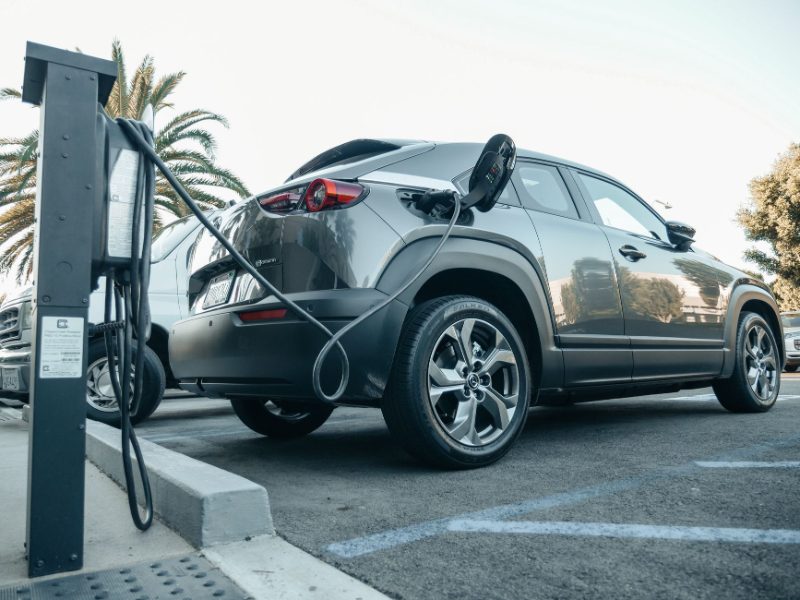
Mahindra’s upcoming XEV 9S could get range-extender electric vehicle (REEV) technology, according to industry reports dated September 11, 2026, with a petrol engine acting purely as an onboard generator to recharge the battery while electric motors continue to drive the SUV. The move would let Mahindra offer long-distance range without fitting a significantly larger, and heavier, battery pack.
Under a range-extender setup, the petrol engine never directly drives the wheels; instead, it runs at an efficient, constant speed to generate electricity that either charges the battery or feeds the electric motors directly, similar to systems used by range-extender EVs from global manufacturers such as Nissan’s e-Power line-up. For the XEV 9S, this would mean buyers get the instant torque and smooth drive of an electric motor without the range anxiety typically associated with pure battery-electric SUVs on long highway runs.
Why Is Mahindra Considering Range-Extender Tech for the XEV 9S?
Range anxiety remains one of the biggest barriers to electric SUV adoption in India, where public fast-charging infrastructure is still concentrated in metro cities and highways connecting them. A range-extender petrol engine solves this by letting the XEV 9S top up its battery on the move, rather than requiring drivers to stop and wait at a charging station, which is particularly useful for buyers who drive between cities but cannot always plan around charger availability. Mahindra fitting REEV tech to an existing electric SUV platform is also cheaper than developing a parallel combustion-only model from scratch.
What Does This Mean for India’s Electric SUV Market?
If Mahindra follows through, the XEV 9S would become one of the first mainstream Indian-market SUVs to offer range-extender technology, potentially opening a new product category between pure petrol/diesel SUVs and full battery-electric vehicles. This could pressure rival automakers, including Tata Motors and upcoming entrants with electric SUV plans, to evaluate similar hybrid-electric architectures rather than committing solely to larger batteries to solve range concerns. It would also give Mahindra a differentiated pitch for fleet and long-distance personal buyers who have stayed away from pure EVs.
Market Reaction and Industry Response
Mahindra has not issued an official confirmation of the range-extender plan, and the reports remain based on industry sourcing rather than a company statement. Automotive analysts note that Mahindra and Tata Motors are currently the top two brands by electric passenger vehicle retail sales in India as of August 2026, and any move by Mahindra to diversify its electric powertrain strategy is likely to be watched closely by both competitors and component suppliers who would need to retool for range-extender architectures.
What Happens Next?
Mahindra is expected to provide further clarity on the XEV 9S’s powertrain line-up as the model moves closer to its production reveal; no official launch date or confirmed specification sheet has been released yet. Prospective buyers and industry watchers should look for an official Mahindra statement or a spy-shot confirmation of a range-extender variant before treating the report as finalised, since automakers frequently test multiple powertrain options before committing to a production configuration.
Frequently Asked Questions
What is range-extender technology in an electric vehicle?
Range-extender technology uses a small petrol engine purely as a generator to recharge the battery while electric motors continue to drive the wheels, rather than the engine powering the wheels directly as in a conventional hybrid.
Has Mahindra confirmed range-extender tech for the XEV 9S?
No official confirmation has been issued by Mahindra; the reports are based on industry sourcing as of September 11, 2026, and the company has not released a specification sheet or launch date for this configuration.
Why would Mahindra add a range-extender option to an electric SUV?
A range-extender option would let the XEV 9S offer long-distance driving range without requiring a much larger and heavier battery pack, directly addressing range anxiety for buyers who travel frequently between cities.










Leave a comment