

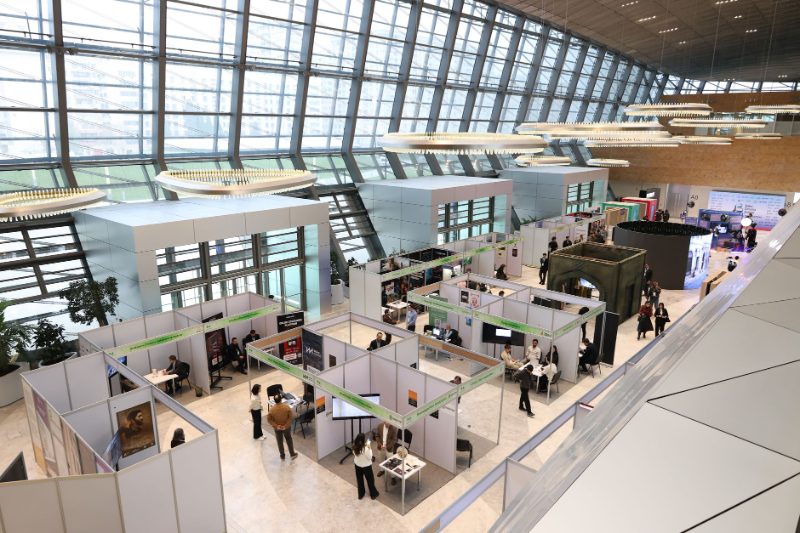
India’s Ministry of Tourism is targeting the launch of five new city-level MICE bureaus in 2026 as part of a national strategy to professionalise and decentralise the country’s Meetings, Incentives, Conventions and Exhibitions ecosystem. The bureaus will operate as independent, stakeholder-driven bodies under a public-private partnership model, acting as a single-window facilitator for event organisers in each city.
The initiative, detailed by Suman Billa, Additional Secretary and Director General at the Ministry of Tourism, plans to set up the first bureaus in state capitals and one additional city per state, with the goal of building MICE hosting capacity in smaller cities rather than concentrating events only in established hubs such as Delhi, Mumbai and Hyderabad. The bureaus are intended to reduce ecosystem fragmentation by giving event organisers one point of contact for permissions and local partnerships instead of navigating multiple civic and tourism authorities separately.
Why Is India Decentralising Its MICE Bureau Network?
India’s MICE market, valued at $49.4 billion in 2024 and projected to reach $103.7 billion by 2030, has so far been concentrated in a handful of metro cities with existing convention infrastructure, leaving smaller cities without the institutional capacity to bid for and host large international events. City-level MICE bureaus operating on a PPP model are designed to close this gap by building local expertise in event logistics, venue coordination and destination marketing, allowing tier-2 cities to compete for national and international conferences that would otherwise default to established metros.
What Does This Mean for India’s MICE Ecosystem?
For event organisers and international associations scouting India as a conference destination, city MICE bureaus promise faster permissions and a single point of accountability, addressing one of the most commonly cited pain points in India’s MICE ecosystem. For state governments, hosting a professional MICE bureau becomes a tool for economic development, since large conferences and exhibitions typically generate significant spillover revenue for local hotels, transport and hospitality businesses beyond the event venue itself.
Industry Reaction and Expert Commentary
Officials have framed the bureaus as part of a broader national MICE strategy following an earlier announcement establishing city-level convention promotion bureaus, with the Maharashtra Convention Bureau already announced at IMEX Frankfurt as an early example of the model in action. Industry bodies such as the Indian Exhibition Industry Association have welcomed the move, noting that structured, single-window institutional support has been a long-standing gap compared with established global MICE destinations in Southeast Asia and the Middle East.
What Happens Next?
The Ministry of Tourism is expected to announce the specific five cities selected for the first wave of bureaus later in 2026, with rollout to follow the PPP structuring process. Watch for state governments to compete for early bureau designation, given the economic development potential tied to becoming one of India’s first professionally-run MICE destinations.
Frequently Asked Questions
How many new MICE bureaus is India’s Ministry of Tourism targeting in 2026?
The Ministry of Tourism is targeting five new city-level MICE bureaus in 2026, operating on a public-private partnership model.
What will the city MICE bureaus do?
They will act as single-window facilitators for event organisers, handling permissions and local partnerships to help cities host large-scale conventions and exhibitions.
How big is India’s MICE market?
India’s MICE market was valued at $49.4 billion in 2024 and is projected to grow to $103.7 billion by 2030.









Leave a comment