

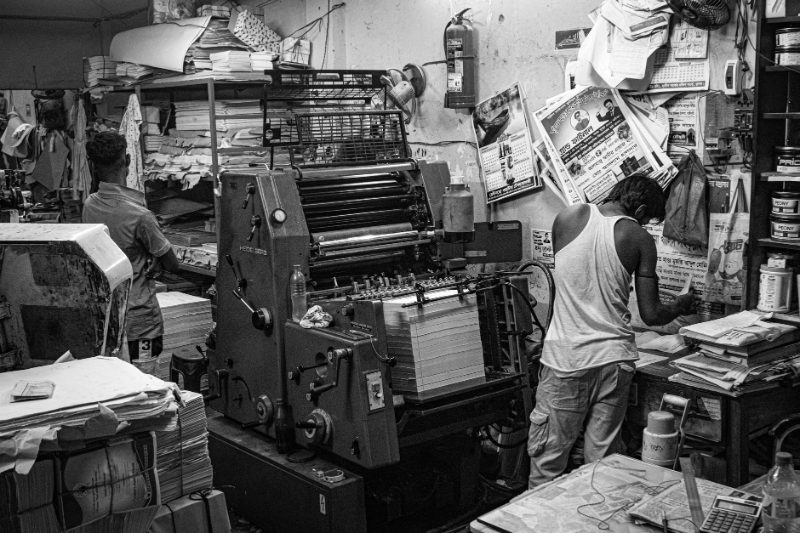
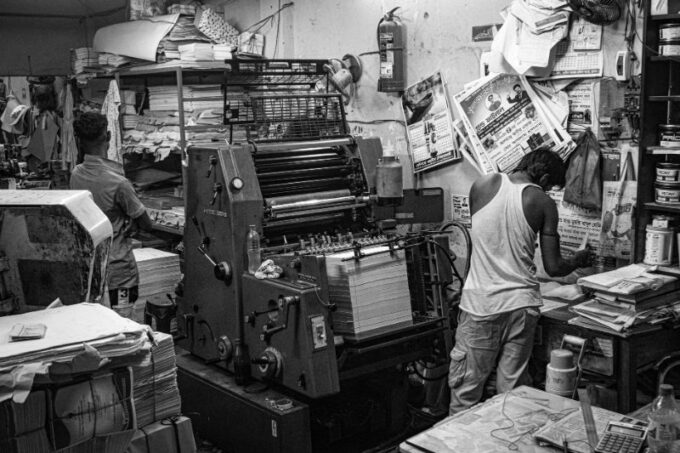
Punjab’s Offset Printers Association (OPA) raised printing and packaging prices by 15-20% with effect from September 21, 2026, after ink, paper and chemical input costs surged as much as 30-40% over the past year. The decision, taken by hundreds of printing, packaging and binding units across Ludhiana and neighbouring Punjab towns, marks one of the sharpest price corrections in the region’s printing ink and packaging supply chain in recent years.
OPA president Parveen Aggarwal said the industry has absorbed successive cost shocks while continuing to serve FMCG, pharmaceutical, e-commerce and education sector clients, and that the latest adjustment prioritises the survival of member units over profit margins. Finished paper prices have risen Rs 2-6 per kg, kraft paper and duplex board are up Rs 4-6 per kg, and hardwood pulp costs have climbed 20-25% since FY25, while lamination films, chemicals, printing inks and adhesives have all seen sustained inflation.
Why Are Printing Ink and Paper Costs Rising in Punjab?
OPA general secretary Prof. Kamal Mohan Chopra pointed to a combination of pressures: imported wastepaper shortages, rising coal and energy costs, and freight volatility linked to tensions in West Asia. Corrugated boxes and cartons alone have gone up more than 10%, and writing and printing paper grades have risen Rs 2,000-3,000 per metric tonne, compounding the squeeze on ink-dependent printing and packaging operations across the state.
What Does This Mean for India’s Printing Ink Industry?
The Punjab price revision signals that printing ink and packaging cost inflation is no longer isolated to individual raw materials but is broad-based, spanning paper, ink, chemicals and adhesives simultaneously. Senior vice president Kushl Kumar Jain said OPA members “will accept new orders only at revised rates,” reflecting how escalated input costs are now being passed through the supply chain rather than absorbed, a shift that print buyers and packaging converters nationally will likely watch closely.
Market Reaction and Industry Response
OPA has called for industry-wide unity in enforcing the new rates, warning that delays in implementation would strain plant operations already under margin pressure. The association’s stance reflects a broader trend among regional printer associations in India responding to synchronized cost increases across ink, paper and packaging inputs through coordinated price action rather than individual negotiations.
What Happens Next?
Printing and packaging buyers in Punjab and neighbouring states should expect the revised 15-20% pricing to apply to new orders going forward, with OPA monitoring compliance among its member units. Industry watchers will track whether input costs, particularly for printing inks and chemicals, stabilise in the coming quarters or whether further price corrections become necessary given continued volatility in energy and freight markets.
Frequently Asked Questions
Why did Punjab’s printing industry raise prices by 15-20%?
The Offset Printers Association cited a 30-40% rise in combined raw material costs including ink, paper, chemicals and adhesives, driven by pulp, energy, freight and imported wastepaper inflation.
When did the new printing and packaging prices take effect?
The 15-20% price revision took effect on September 21, 2026, and applies to new orders across printing, packaging and binding units in Ludhiana and neighbouring Punjab regions.
Which raw materials are driving up printing ink costs in India?
Key cost drivers include hardwood pulp (up 20-25%), kraft paper and duplex board, lamination films, chemicals, adhesives and printing inks, compounded by coal, energy and freight volatility.








Leave a comment