

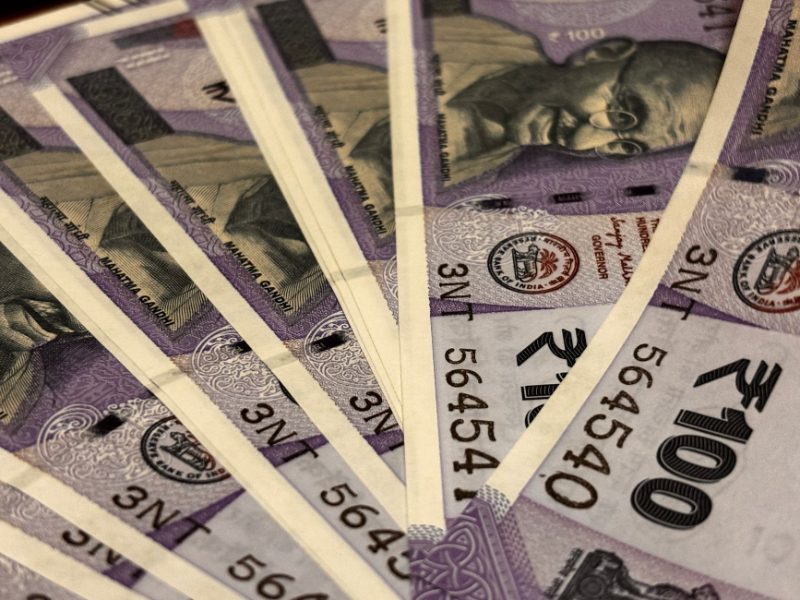
The Reserve Bank of India made net dollar purchases of $18.65 billion in July 2026, its highest monthly figure on record, according to data published in the RBI’s latest monthly bulletin. The scale of intervention underscores the central bank’s active role in managing rupee volatility and building foreign exchange reserves at a time of continued pressure on the currency from elevated global crude oil prices and broader dollar strength.
The record purchases come even as the rupee has continued to weaken against the dollar, falling 20 paise to 95.95 in early trading this week. The RBI’s interventions in the foreign exchange market are aimed at smoothing excessive volatility rather than defending a specific exchange rate level, a distinction the central bank has repeatedly emphasised in its communications with markets.
Why Is the RBI Buying Dollars at a Record Pace?
Large net dollar purchases typically occur when foreign capital inflows into India — via portfolio investment, FDI, or NRI deposits — exceed the outflows needed to fund the current account deficit, giving the RBI room to absorb excess dollar supply and add to reserves. The central bank’s July intervention coincided with a sharp rise in NRI deposit inflows and continued portfolio investment into Indian debt and equity markets, giving it the opportunity to build reserves without unduly weakening the rupee. Building reserves during periods of relative calm gives the RBI more ammunition to defend the currency during future bouts of volatility, such as those driven by geopolitical shocks or global risk-off sentiment.
What Does the RBI Bulletin Say About Financial Stability?
The same monthly bulletin noted that a high credit-deposit ratio in the banking system “does not signal funding vulnerability,” pushing back on concerns that rapid credit growth relative to deposit mobilisation could pose stability risks. The RBI’s assessment suggests that despite banks lending aggressively relative to their deposit base in recent quarters, funding sources — including wholesale borrowing and stable retail deposit growth — remain adequate to support continued credit expansion without raising systemic risk.
Market and Trade Reaction
Currency traders noted that the RBI’s aggressive dollar buying in July has coincided with ongoing pressure from exporters seeking a weaker rupee to aid competitiveness, an ongoing tension between reserve-building and export-price competitiveness that the central bank must continually balance. Foreign exchange reserves are expected to have risen meaningfully as a result of July’s purchases, giving the RBI a larger buffer against potential capital outflows should global risk sentiment sour, including from ongoing geopolitical tensions affecting oil markets.
What Happens Next?
Markets will watch subsequent RBI bulletins to see whether the pace of dollar purchases continues or moderates, particularly as crude oil prices remain elevated amid Middle East tensions, which tends to widen India’s trade deficit and increase pressure on the rupee. The RBI’s Monetary Policy Committee’s next scheduled review will be an opportunity for the central bank to comment further on its currency management approach and the broader financial stability outlook flagged in the bulletin.
Frequently Asked Questions
How much in dollars did the RBI purchase in July 2026?
The RBI made net dollar purchases of $18.65 billion in July 2026, the highest monthly figure on record, according to its latest monthly bulletin.
Why does the RBI intervene in the foreign exchange market?
The RBI intervenes to smooth excessive rupee volatility and to build foreign exchange reserves during periods of strong capital inflows, rather than to defend a specific exchange rate level.
Is India’s banking system at risk from a high credit-deposit ratio?
According to the RBI’s monthly bulletin, a high credit-deposit ratio does not by itself signal funding vulnerability, as banks have adequate alternative funding sources to support continued credit growth.












Leave a comment