

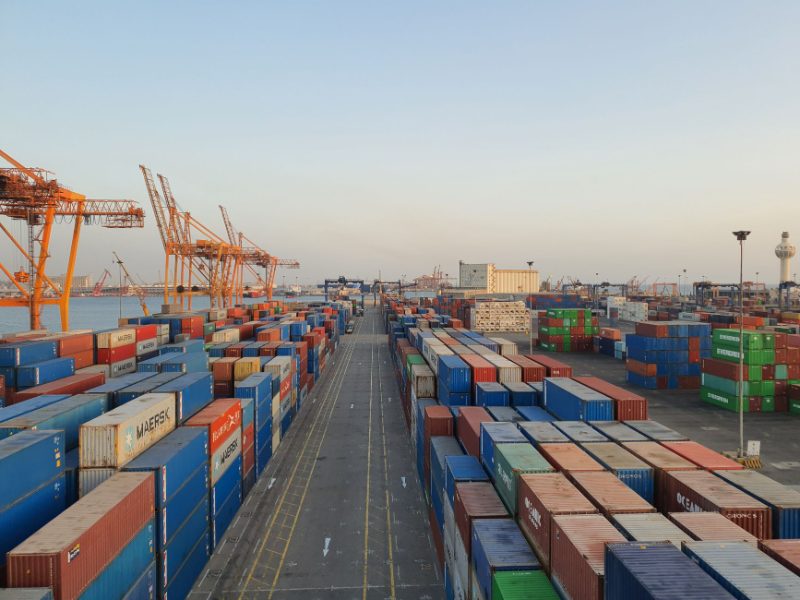
The United States has imposed new Section 301 tariffs ranging from 10% to 12.5% on goods from 60 trading partners effective July 24, 2026, after the temporary Section 122 global tariff regime expired at midnight. The move covers 99.4% of everything the US imports from the affected economies, marking one of the most sweeping simultaneous trade policy shifts of the year.
The US Trade Representative’s office confirmed that the new Section 301 tariffs replace the earlier 10-15% blanket duties imposed in February 2026 under Section 122, which lapsed automatically on July 24. Major trading partners including the European Union and Taiwan will face tariffs of up to 12.5%, while most of the remaining 60 economies will see rates in the 10% to 12.5% band.
How Do the New Section 301 Tariffs Affect Global Exporters?
For exporters in the 60 affected economies, the shift from Section 122 to Section 301 tariffs removes the uncertainty of a temporary regime but locks in duties that remain well above pre-2026 baseline rates. Sectors with high US export exposure, including electronics, machinery, and consumer goods manufacturers, face continued margin pressure. Companies that had paused shipment decisions pending clarity on the Section 122 expiry now have a firmer, if still elevated, tariff structure to plan around.
What Do Trade Officials and Economists Say?
US Trade Representative Jamieson Greer has acknowledged business concerns over tariff predictability, noting that companies need clarity on future duty levels to make investment decisions. Trade economists tracking the transition describe July 2026 as a “concentrated window” for global trade rule changes, with the EU, China, Southeast Asian economies, and African nations simultaneously adjusting tariff schedules, customs procedures, and import-export restrictions in response to the US shift.
Market and Trade Reaction
Currency and equity markets in several affected economies showed measured reactions, as the new Section 301 tariffs had been widely anticipated following the announced Section 122 expiry date. The European Commission has responded by upgrading its import monitoring toolbox, reconfiguring its “import barometer” to track growing trade imbalances arising from the tariff transition. Freight and logistics providers report continued volatility in shipping bookings as exporters reassess routing and pricing strategies under the new duty structure.
What Happens Next?
Affected trading partners are expected to pursue bilateral negotiations with the US Trade Representative’s office to seek exemptions or reduced rates for specific product categories, following the pattern set by countries that secured lower reciprocal tariffs earlier in 2026. Businesses should monitor USTR announcements for country-specific carve-outs and track the European Commission’s import barometer updates for early signals of trade flow disruptions.
Frequently Asked Questions
What are the new Section 301 tariffs on 60 countries?
Effective July 24, 2026, the US imposed Section 301 tariffs of 10% to 12.5% on goods from 60 trading partners, replacing the temporary Section 122 tariffs that expired the same day.
Which economies face the highest new tariff rates?
The European Union and Taiwan are among the trading partners facing tariffs of up to 12.5%, the top end of the new Section 301 tariff range.
How is the European Commission responding to the tariff shift?
The European Commission is reconfiguring its import monitoring “barometer” to better track and respond to trade imbalances resulting from the new US tariff structure.









Leave a comment