

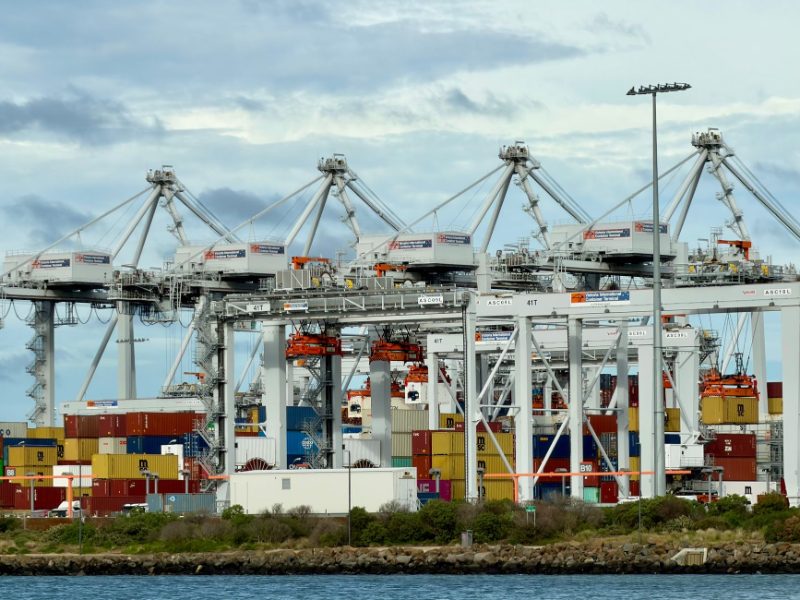
Kerala’s Vizhinjam International Transshipment Seaport has received customs clearance from the Central Board of Indirect Taxes and Customs to begin full export-import operations, with the deepwater terminal set to go live for EXIM cargo on August 18, 2026. The clearance transforms Vizhinjam from a transshipment-only facility into a full-scale international trade gateway for southern India.
The Central Board of Indirect Taxes and Customs notification allows the deepwater terminal to handle direct export and import cargo for the first time, rather than only transshipment traffic moving between larger vessels. The change is expected to significantly shorten cargo lead times for exporters based in Kerala, Tamil Nadu, and Karnataka, who have historically had to route containers through foreign transshipment hubs.
How Will Vizhinjam’s Customs Clearance Change India’s Trade Routes?
Vizhinjam is designed to accommodate ultra-large container ships that were previously unable to call directly at most Indian ports, reducing India’s reliance on foreign transshipment hubs such as Colombo in Sri Lanka and Singapore. With full EXIM operations beginning August 18, 2026, logistics managers expect improved hinterland connectivity for cargo originating in South India, along with potentially lower freight costs since containers will no longer need to be transshipped through a third country before reaching their final destination.
What Do Logistics Experts Say About the Port’s Potential?
Trade and logistics analysts view the customs clearance as a milestone moment for India’s port infrastructure ambitions, since Vizhinjam is the country’s first purpose-built transshipment port capable of berthing the largest container vessels in global service. Industry commentary has focused on the port’s ability to capture cargo volumes that currently leak to Colombo, potentially redirecting a meaningful share of South Indian export-import traffic back onto domestic soil and reducing the extra time and cost currently added by foreign transshipment.
Market and Trade Reaction
Shipping lines and freight forwarders serving the South Indian market are adjusting routing plans ahead of the August 18 go-live date, with several carriers evaluating direct calls at Vizhinjam instead of routing through Colombo. Exporters in Kerala, Tamil Nadu, and Karnataka’s textile, spices, and engineering goods sectors stand to benefit most from reduced transit times, and logistics companies are positioning additional inland transport capacity to feed the port once full EXIM operations begin.
What Happens Next?
The key date to track is August 18, 2026, when Vizhinjam is scheduled to begin full EXIM operations following the CBIC clearance. In the lead-up, port operators and customs authorities will need to finalise operational protocols for direct import and export clearance, distinct from the transshipment procedures the port has used until now. Trade bodies in South India are expected to monitor early cargo volumes closely as an indicator of how quickly exporters shift away from foreign transshipment hubs.
Frequently Asked Questions
When will Vizhinjam Port begin full EXIM operations?
Full export-import operations at Vizhinjam International Transshipment Seaport are scheduled to begin on August 18, 2026, following clearance from the Central Board of Indirect Taxes and Customs.
Why is Vizhinjam Port significant for Indian trade?
Vizhinjam is designed to accommodate ultra-large container ships, reducing India’s dependence on foreign transshipment hubs like Colombo and Singapore and improving hinterland connectivity for exporters in Kerala, Tamil Nadu, and Karnataka.
What type of cargo will Vizhinjam Port now handle?
With the new customs clearance, Vizhinjam can handle direct export and import cargo in addition to its existing transshipment operations between larger vessels.









Leave a comment