

Following the JSW Paints acquisition of AkzoNobel India, the paint industry has entered a phase where consolidation speculation is once again gaining momentum. Industry analysts believe the sector may see further inorganic growth moves over the next two years, driven by the need for scale, faster technology access, and rapid entry into premium categories.
The Indian paint market is large and expanding, but it is also becoming structurally competitive. As capacity increases and new players enter, companies are under pressure to defend market share. In such an environment, acquisitions provide a shortcut to market access, manufacturing capacity, and established dealer networks.
Mid-sized regional players with strong distribution in specific states are considered potential targets. These companies often hold significant influence in their local markets, even if they do not have national dominance. For larger players, acquiring such brands could provide immediate entry into underpenetrated territories.
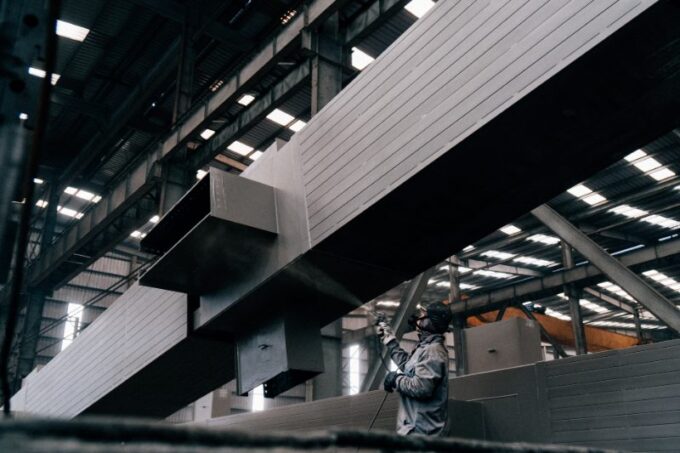
Additionally, the industrial coatings segment is becoming increasingly strategic. Automotive, infrastructure, marine, and protective coatings require advanced technology and certifications. Some companies may pursue acquisitions specifically to gain industrial product capability rather than decorative scale.
However, consolidation is not without risk. Integration challenges, cultural differences, and channel conflicts can reduce the expected benefits of acquisitions. Furthermore, regulatory approvals and valuation expectations may slow down deal momentum.
Still, the overall direction is clear. India’s paint sector is moving from a landscape of many competing brands toward a more concentrated structure dominated by a few large groups.
The JSW-Akzo deal may be remembered not only as a transaction but as the beginning of a new consolidation era in Indian coatings.










Leave a comment