

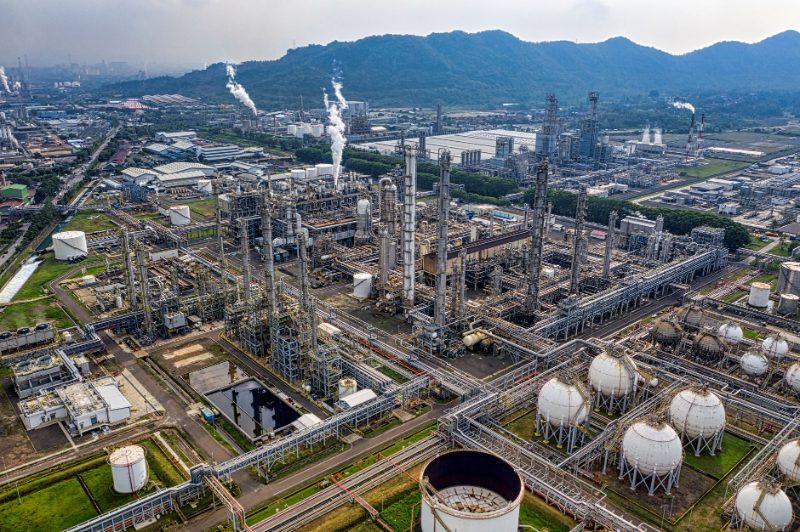
India has extended its petrochemical import duty waiver for a second time, pushing the nil-duty window on 40 critical petrochemical products to July 15, 2026, as the government moves to shield downstream manufacturers from supply disruptions linked to the West Asia crisis. The petrochemical import duty waiver, first introduced on April 2, 2026, and initially set to lapse on June 30, now gives plastics, pharmaceutical, textile and automotive component makers two more weeks of duty-free access to essential feedstock.
The Central Board of Indirect Taxes and Customs notified the extension on June 30, 2026, covering imports of methanol, anhydrous ammonia, toluene, styrene, dichloromethane, vinyl chloride monomer, polybutadiene, styrene-butadiene and unsaturated polyester resins. The waiver was originally rolled out after domestic refiners, including Indian Oil Corporation and Reliance Industries, were directed to prioritize LPG output during a period of regional supply strain, leaving a temporary gap in petrochemical feedstock availability for downstream industries across India.
Why Did India Extend the Petrochemical Import Duty Waiver Again?
The government’s central justification is supply security. With refiners tilting production toward LPG amid the West Asia turmoil, domestic output of key petrochemical intermediates fell short of what plastics, packaging, textile and pharma manufacturers needed. Rather than let feedstock costs spike, the finance ministry opted to extend the zero-duty window rather than let it lapse mid-crisis. Officials indicated the 15-day extension is meant to be a bridge, giving refiners time to normalize production schedules while ensuring manufacturers are not squeezed by sudden cost increases on imported methanol, toluene and styrene, three inputs that feed directly into paints, solvents, tyres and packaging film production nationwide.
What Does This Mean for Manufacturers and Import-Dependent Sectors?
The immediate winners are downstream converters that rely on imported feedstock: plastics processors buying vinyl chloride monomer and polybutadiene, textile units sourcing styrene-linked inputs, and pharmaceutical companies using dichloromethane as a solvent. For these buyers, the petrochemical import duty waiver removes a cost variable at a time when global prices for toluene and methanol have already been volatile — toluene prices softened through May and early June on weak Asian demand, while methanol corrected sharply, falling more than 30% month-on-month at Kandla on improved Middle East supply expectations. Domestic petrochemical producers such as Reliance Industries and Haldia Petrochemicals face a tougher competitive backdrop during the exemption window, since duty-free imports narrow the price gap that normally protects local capacity utilization.
Market Reaction and Industry Response
Downstream industry bodies representing plastics processors and packaging manufacturers have broadly welcomed the extension, framing it as necessary insurance against feedstock shortages rather than a long-term policy shift. Chemical stocks showed a mixed reaction when the original April waiver was announced, with the Nifty Chemicals index falling as investors priced in margin pressure for domestic producers competing against duty-free imports; SRF, Deepak Nitrite, UPL, Pidilite Industries and Tata Chemicals all saw share price declines in the sessions following the initial announcement. Analysts tracking the specialty and commodity chemical space say the market is now watching whether the government treats July 15 as a hard deadline or rolls the waiver forward again if West Asia supply risks persist.
What Happens Next?
The next checkpoint is July 15, 2026, when the current extension is due to expire. The finance ministry and the Department of Chemicals and Petrochemicals are expected to reassess feedstock availability and refinery output levels before that date to decide whether a further rollover is warranted. Domestic refiners are expected to report on whether LPG prioritization has eased enough to restore normal petrochemical output, which would reduce the case for extending duty-free imports further. Manufacturers and trade bodies will be watching Reliance Industries’ and IOC’s production commentary, along with any fresh escalation in West Asia, as the key signals for whether the waiver gets extended a third time.
Frequently Asked Questions
What is the India petrochemical import duty waiver?
It is a temporary nil-customs-duty exemption on 40 critical petrochemical products, including methanol, toluene, styrene and vinyl chloride monomer, introduced on April 2, 2026, to ensure adequate feedstock supply for downstream Indian manufacturers.
Until when has the waiver been extended?
The government extended the waiver by 15 days, moving the expiry from June 30 to July 15, 2026, citing continued supply uncertainty linked to the West Asia crisis.
Which industries benefit most from the duty waiver?
Plastics processing, packaging, pharmaceuticals, textiles and automotive component manufacturers benefit most, since they depend on imported petrochemical intermediates like styrene, toluene and dichloromethane as core production inputs.








Leave a comment