

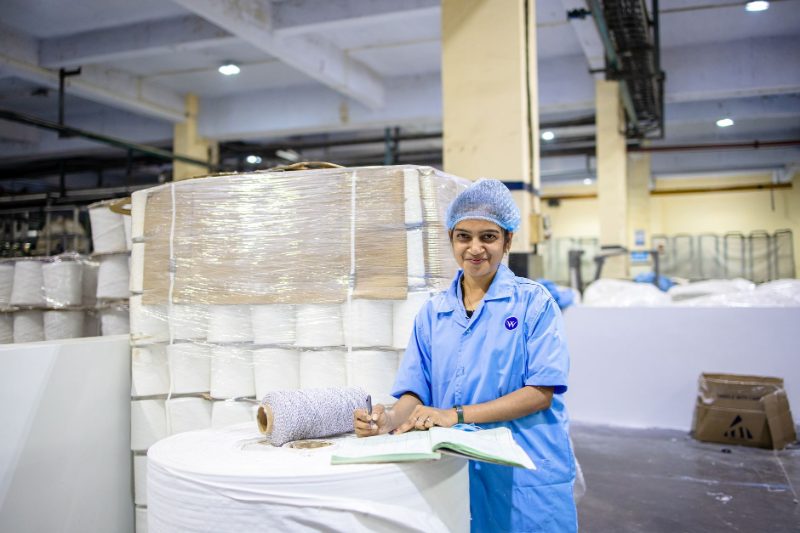
India’s paper industry results 2026 for the second quarter of the fiscal year present a mixed picture: TNPL (Tamil Nadu Newsprint and Papers Limited) returned to profitability, while JK Paper and Seshasayee Paper reported sharp profit declines. The divergent performance highlights how individual company strategy and product mix are increasingly determining outcomes across India’s paper sector, even as overall market fundamentals remain intact.
India’s paper market reached USD 10.66 billion in 2025 and is projected to grow to USD 13.24 billion by 2034 at a CAGR of 2.44%, with consumption expected to hit 30 million tonnes by FY2027. Despite this long-term growth trajectory, Q2 FY26 results show the sector grappling with near-term headwinds including cheap imports, rising raw material costs, and adverse regulatory changes.
Why Are India’s Paper Majors Reporting Such Different Q2 FY26 Results?
TNPL’s return to profitability contrasts sharply with JK Paper and Seshasayee Paper’s sharp profit declines, reflecting differences in product mix, exposure to import competition, and raw material cost management. Paper and paperboard imports rose 8% to 486,000 tonnes in the April-June quarter of 2025-26, with imports from China surging 28% to 143,000 tonnes in the same period, putting direct pricing pressure on domestic manufacturers most exposed to commodity-grade paper segments.
What Does This Mean for India’s Broader Paper Industry?
The mixed results suggest paper companies with diversified or specialty product portfolios, including hygiene products like tissues and specialty papers, are better insulated from import-driven price pressure than those focused on commodity paper grades. Rising health awareness and disposable incomes are boosting the hygiene segment specifically, giving diversified players like TNPL an edge over rivals more exposed to standard writing and printing paper categories facing Chinese import competition.
Market Reaction and Industry Response
Industry analysts have flagged the sharp rise in Chinese paper imports as a growing concern for domestic manufacturers, with trade bodies pushing for stronger anti-dumping measures to protect Indian paper majors from underpriced competition. JK Paper and Seshasayee Paper’s declines have drawn analyst scrutiny of raw material cost pass-through capacity, while TNPL’s results are being cited as a template for navigating the current cost environment.
What Happens Next?
Paper companies are expected to lean further into specialty and hygiene product segments to offset commodity-grade pricing pressure from imports. Watch for potential trade policy responses to the 28% surge in Chinese paper imports, as well as how Extended Producer Responsibility (EPR) guidelines for paper packaging, effective from April 1, 2026, reshape recycling and fibre recovery economics across the sector through the rest of FY26.
Frequently Asked Questions
Which Indian paper companies returned to profit in Q2 FY26?
TNPL (Tamil Nadu Newsprint and Papers Limited) returned to profitability in Q2 FY26, while JK Paper and Seshasayee Paper reported sharp profit declines.
Why are Chinese paper imports affecting Indian manufacturers?
India’s paper and paperboard imports from China surged 28% to 143,000 tonnes in the April-June 2025-26 quarter, undercutting domestic pricing especially in commodity-grade paper segments.
What is driving long-term growth in India’s paper market despite short-term headwinds?
Rising demand for packaging, e-commerce growth, expansion of the education sector, and growing hygiene product consumption are expected to drive India’s paper market to USD 13.24 billion by 2034.












Leave a comment