

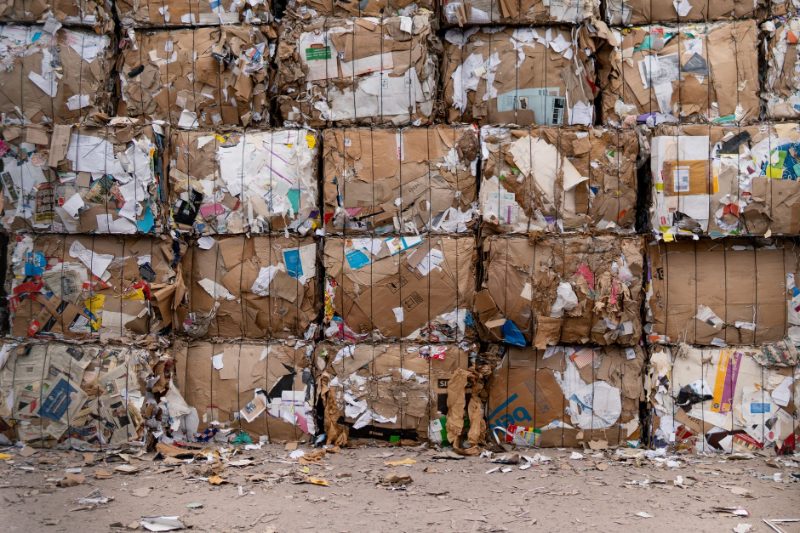
New EPR guidelines for paper packaging India took effect on April 1, 2026, introducing Extended Producer Responsibility requirements that mandate phased recycling targets for producers, importers, and brand owners using paper-based packaging. The rules are designed to promote higher fibre recovery rates and accelerate circular economy adoption across India’s paper and paperboard value chain.
The guidelines arrive as India’s paper market, valued at USD 10.66 billion in 2025, continues to grow on rising demand for packaging solutions driven by e-commerce expansion and sustainable packaging preferences. With paper and paperboard imports also climbing 8% in the April-June 2025-26 quarter, the new EPR framework adds a fresh layer of regulatory complexity for both domestic manufacturers and companies importing finished paper packaging into India.
Why Did India Introduce EPR Guidelines for Paper Packaging in 2026?
The government introduced phased recycling targets to address growing packaging waste linked to e-commerce and FMCG growth, pushing producers, importers, and brand owners to take direct responsibility for the end-of-life management of paper packaging they place in the market. The framework is structured to gradually raise fibre recovery rates, aligning India’s paper packaging industry with global circular economy standards already adopted in markets like the EU.
What Does This Mean for Paper Producers and Brand Owners?
Producers and brand owners must now demonstrate compliance with phased recycling targets or face penalties, adding compliance costs that are likely to be passed through the supply chain to converters and end customers. Companies with existing fibre recovery and recycling infrastructure, including larger integrated paper majors, are better positioned to absorb these requirements than smaller converters who may need to invest in new recycling partnerships or certification systems to stay compliant.
Market Reaction and Industry Response
Industry bodies have generally supported the EPR framework’s long-term sustainability goals while flagging concerns about implementation timelines and the administrative burden of tracking compliance across fragmented supply chains. Paper industry executives note that EPR compliance costs come at a difficult time, with the sector already managing pressure from a 28% surge in Chinese paper imports and rising raw material costs through Q2 FY26.
What Happens Next?
Producers and brand owners are expected to finalise compliance mechanisms and reporting systems through the remainder of 2026 as enforcement ramps up. Watch for guidance from the Ministry of Environment on penalty structures for non-compliance, as well as potential industry consolidation among smaller converters unable to absorb the added recycling infrastructure costs.
Frequently Asked Questions
When did the EPR guidelines for paper packaging take effect in India?
The EPR guidelines for paper packaging took effect on April 1, 2026, mandating phased recycling targets for producers, importers, and brand owners.
Who is responsible for compliance under the new EPR rules?
Producers, importers, and brand owners using paper-based packaging are directly responsible for meeting phased recycling and fibre recovery targets.
How will the EPR guidelines affect paper packaging costs?
Compliance costs are likely to be passed through the supply chain, with larger integrated paper majors better positioned to absorb them than smaller converters lacking existing recycling infrastructure.












Leave a comment