

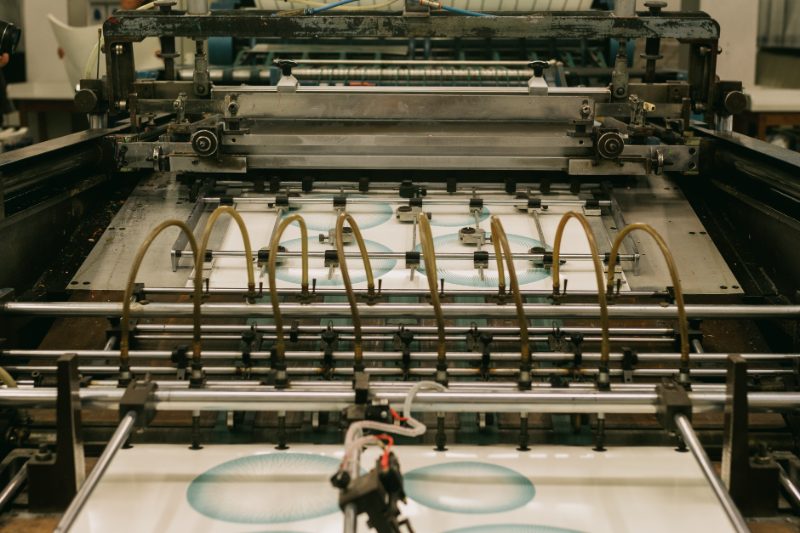
Andhra Paper reported a net loss of Rs 20.26 crore for Q2 FY26, reversing a profit in the same quarter last year, yet the company is proceeding with a Rs 178 crore capital expenditure plan to increase capacity at its Rajahmundry plant by 60% and add a new tissue paper line at its Kadiyam facility. The dual development highlights how paper manufacturers are balancing near-term cost pressure with long-term capacity bets.
The Q2 FY26 loss reflects broader industry headwinds facing India’s paper majors, including pressure from cheap imports, rising raw material costs, and adverse regulatory changes. Despite the loss, Andhra Paper’s board has committed to the Rs 178 crore capex plan, betting that expanded Rajahmundry capacity and a new Kadiyam tissue paper plant will position the company for stronger margins once current cost pressures ease.
Why Is Andhra Paper Expanding Capacity Despite a Quarterly Loss?
Andhra Paper is proceeding with its Rs 178 crore capex plan because management appears to be betting on medium-term demand growth outweighing near-term cost pressure, with industry demand growth projected at 5-7% in FY26. Expanding Rajahmundry capacity by 60% positions the company to capture a larger share of that growth, while the new Kadiyam tissue paper plant diversifies Andhra Paper’s product mix into a segment with different demand dynamics than commodity writing and printing paper, where cheap imports have pressured domestic pricing.
What Does This Mean for the Broader Paper Industry?
Andhra Paper’s results mirror a mixed financial landscape across India’s paper sector in Q2 FY26, with industry-wide headwinds including cheap imports and rising costs squeezing multiple paper majors simultaneously. The fact that Andhra Paper is expanding capacity even amid a loss suggests larger players remain confident in medium-term demand, consistent with industry-wide capacity additions estimated at 1.8-2.2 million tonnes through FY26-FY27. Smaller mills without capital access for similar expansion may struggle to keep pace, potentially accelerating consolidation in the sector.
Market Reaction and Industry Response
Investors reacted to Andhra Paper’s Q2 FY26 loss with concern given the sharp reversal from a year-ago profit, though the confirmed Rs 178 crore capex commitment offered some reassurance about the company’s longer-term strategy. Industry analysts tracking the paper sector have noted that the combination of import pressure and currency-driven cost inflation is affecting most Indian paper manufacturers this fiscal year, not just Andhra Paper specifically.
What Happens Next?
Andhra Paper’s Rajahmundry capacity expansion and Kadiyam tissue paper plant are expected to come online over the next several quarters, with peak industry-wide capacity commissioning anticipated around the start of 2027. Investors will watch subsequent quarterly results closely to see whether cost pressures ease and whether the new tissue paper capacity begins contributing to revenue diversification as planned.
Frequently Asked Questions
What loss did Andhra Paper report for Q2 FY26?
Andhra Paper reported a net loss of Rs 20.26 crore in Q2 FY26, compared to a profit in the same quarter the previous year.
What is Andhra Paper’s capex expansion plan?
Andhra Paper is investing Rs 178 crore to increase Rajahmundry plant capacity by 60% and add a new tissue paper plant at its Kadiyam facility.
Why is India’s paper industry facing financial pressure in 2026?
The industry faces pressure from cheap imports, rising raw material and freight costs, a weaker rupee, and adverse regulatory changes affecting margins.











Leave a comment