

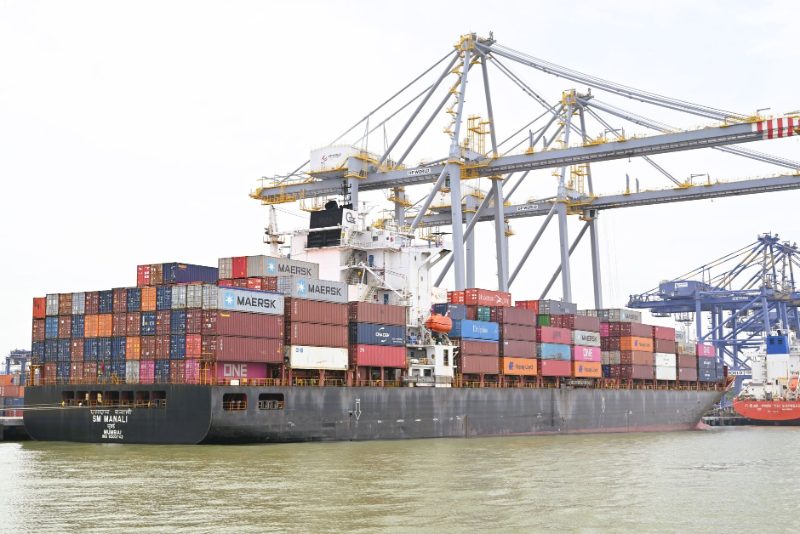
The Ministry of Ports, Shipping and Waterways has introduced the Logistics Port Performance Index (LPPI) to benchmark efficiency across India’s major ports, with Mundra and Paradip emerging as the top performers in the latest operational assessment. The LPPI 2026 ranking is designed to give exporters and shipping lines a standardized way to compare turnaround times, berth productivity, and cargo-handling efficiency across Indian gateways.
The index scores ports on metrics including average pre-berthing detention time, container dwell time, and vessel turnaround time, aligning India’s port benchmarking with global standards used by the World Bank’s Container Port Performance Index. Mundra Port, operated under the Adani Ports network, and Paradip Port on the east coast topped the rankings in the first assessment cycle released this month.
Why Does India Need a Port Performance Index Now?
India’s logistics costs have historically run higher than global peers as a share of GDP, and port-side inefficiencies, particularly dwell time and documentation delays, have been flagged repeatedly by exporter bodies as a drag on competitiveness. The LPPI is intended to create a transparent, comparable dataset that can guide both private investment in port infrastructure and government capital allocation under the Sagarmala programme.
What Do Trade Bodies and Logistics Experts Say?
Exporter groups including FIEO have welcomed the index as a step toward reducing the wide performance gap between India’s best and worst-performing ports, noting that improved efficiency at gateway ports directly lowers landed costs for both imports and exports. Logistics consultants say the ranking could accelerate private terminal operators’ investment in automation and digital cargo-tracking systems to avoid falling behind top performers like Mundra.
Market and Trade Reaction
Port operator stocks saw a mild positive reaction following the LPPI announcement, with analysts noting that top-ranked ports could see increased cargo volume as shipping lines and exporters route more traffic toward higher-efficiency gateways. The move comes as India’s FY26 trade volumes hit records even amid a widening trade deficit, underscoring the pressure on port infrastructure to keep pace with growing cargo flows.
What Happens Next?
The Ministry of Ports plans to publish LPPI rankings on a quarterly basis, with the next assessment cycle due in October 2026. Ports ranking in the bottom tier will reportedly be required to submit efficiency-improvement action plans, with capital support available under existing Sagarmala port-modernization funding.
Frequently Asked Questions
What is the Logistics Port Performance Index (LPPI)?
The LPPI is a new benchmarking system introduced by India’s Ministry of Ports, Shipping and Waterways in 2026 to rank major ports on turnaround time, dwell time, and berth productivity.
Which Indian ports ranked highest in the first LPPI assessment?
Mundra Port and Paradip Port emerged as the top performers in the inaugural Logistics Port Performance Index ranking released in 2026.
How often will the LPPI rankings be updated?
The Ministry of Ports plans to publish LPPI rankings quarterly, with the next assessment cycle expected in October 2026.














Leave a comment