

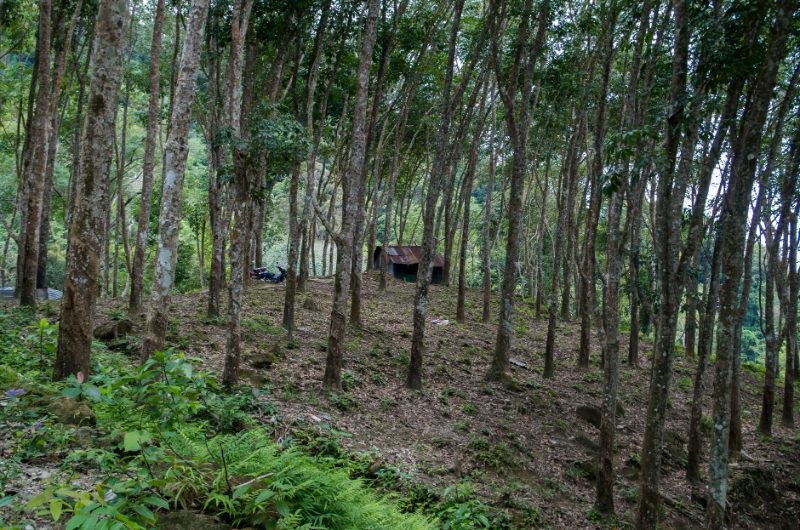
Natural rubber prices India 2026 have slipped below 210 US cents per kilogram in early July, their lowest level in nearly two months, as a weakening outlook for Chinese auto demand and improving global supply prospects weigh on the commodity. The decline in international rubber futures is being closely watched in India, the world’s third-largest natural rubber producer and fourth-largest consumer.
The price slide comes even as India’s own rubber sector, concentrated heavily in Kerala, which accounts for over 90% of domestic production, followed by Tripura at roughly 9%, continues efforts to boost output and productivity through new government-backed initiatives. Falling global benchmark prices put pressure on grower incomes even as the Rubber Board pushes programs designed to expand India’s tapped rubber acreage.
Why Are Natural Rubber Prices Falling in 2026?
Natural rubber prices India 2026 are under pressure primarily because of softening demand from China’s automotive and tyre manufacturing sector, which remains the single largest driver of global rubber consumption. At the same time, supply-side conditions have improved in major producing countries, easing the tightness that had previously supported prices above 210 US cents per kilogram. Commodity analysts tracking rubber futures note that the current level, near a two-month low, reflects broader concerns about a slowdown in global vehicle production and tyre replacement demand, both of which are highly sensitive to economic growth trends in China and other major manufacturing economies.
What Does This Mean for India’s Rubber Industry?
For India’s rubber growers and processors, falling global prices create a difficult balancing act: lower input costs benefit domestic tyre manufacturers who rely on natural rubber, but they squeeze margins for smallholder farmers in Kerala and Tripura who depend on rubber tapping for their livelihoods. India’s tyre industry, a major consumer of natural rubber, could see some relief on raw material costs if the price decline persists, potentially supporting margins for manufacturers even as growers face reduced income. The Rubber Board’s push to bring more untapped and neglected rubber holdings into production could also become harder to sustain if falling prices reduce the economic incentive for growers to resume tapping.
Market Reaction and Industry Response
Grower associations in Kerala have expressed concern over the price decline, noting that sustained weakness below 210 US cents per kilogram could discourage the very production increases that government initiatives are trying to encourage. Tyre manufacturers, meanwhile, have generally welcomed softer raw material costs as a potential margin tailwind heading into the second half of 2026. Trade bodies tracking the sector say the situation underscores India’s continued exposure to global rubber price cycles despite years of policy efforts to boost domestic self-sufficiency in natural rubber supply.
What Happens Next?
Market participants will watch upcoming data on Chinese automotive production and tyre demand for signals on whether the current price weakness is temporary or the start of a longer downturn. The Rubber Board’s newly launched Indian Sustainable Natural Rubber, or iSNR, framework and its INR Konnect platform, which aims to connect growers of untapped rubber holdings with interested adopters, will face an early test of their effectiveness if prices stay depressed through the rest of the growing season. Analysts expect India’s rubber import bill to be a key indicator to track in the coming months, since sustained low global prices could either widen the gap with costlier domestic production or encourage processors to increase imports. Government officials have also indicated that support measures for smallholder growers, including minimum support price discussions, could resurface if the current price weakness extends into the peak tapping season later this year.
Frequently Asked Questions
Why did natural rubber prices fall in July 2026?
Natural rubber prices India 2026 fell below 210 US cents per kilogram due to weakening Chinese auto and tyre demand combined with improving global supply conditions, pushing prices to their lowest level in almost two months.
How does India rank in global natural rubber production?
India is the third largest producer and fourth largest consumer of natural rubber in the world, with Kerala accounting for more than 90% of domestic production and Tripura contributing roughly 9%.
What is India’s Rubber Board doing to boost production?
The Rubber Board has launched the Indian Sustainable Natural Rubber (iSNR) initiative and the INR Konnect platform to connect growers of untapped and neglected rubber holdings with interested adopters and boost domestic output.









Leave a comment