

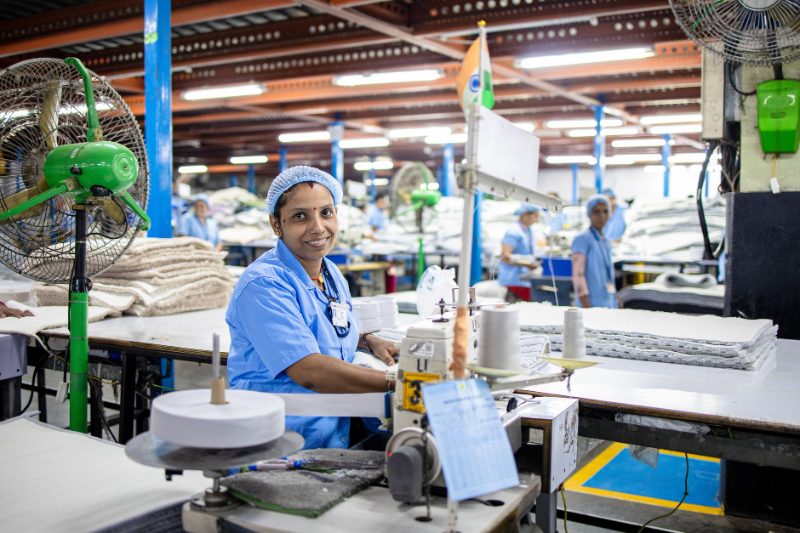
India’s furniture BIS certification requirement has come into force under the Furniture Quality Control Order (QCO), which took effect in February 2026 and mandates BIS/ISI certification for key furniture categories including work chairs, tables, beds, and storage units. The order applies across India’s organized and unorganized furniture manufacturing sectors, triggering a nationwide compliance restructuring.
The Bureau of Indian Standards-backed order affects everything from large factory-scale producers to small carpentry workshops, requiring products to meet defined safety, durability, and material quality benchmarks before they can be legally sold. The move comes as India’s furniture market, valued at USD 31.51 billion in 2026, continues to grow at a CAGR of 7.63 percent toward an expected USD 45.52 billion by 2031, making India the world’s fourth-largest furniture market.
Why Has India Made Furniture BIS Certification Mandatory?
Regulators introduced the Furniture Quality Control Order to curb the sale of substandard work chairs, tables, beds, and storage units, particularly from the large unorganized segment that supplies much of India’s furniture retail. By requiring BIS/ISI marks, the government aims to standardize load-bearing capacity, material safety, and finish quality across categories that see heavy daily use in homes, schools, and offices. The rule mirrors similar quality-control orders already applied to categories like toys and electronics.
What Does Mandatory Certification Mean for the Furniture Industry?
Organized furniture manufacturers such as Nilkamal, which posted an 18 percent year-on-year revenue jump to roughly Rs 968 crore in Q2 FY26, are generally better positioned to absorb certification costs than small unorganized workshops. Industry estimates suggest thousands of small and medium furniture units will need to invest in testing, factory audits, and product redesigns to meet BIS specifications, which could push some informal manufacturers toward consolidation or exit. Retailers and e-commerce platforms selling furniture are also expected to tighten vendor onboarding to ensure only certified products reach consumers.
Market Reaction and Industry Response
Furniture trade associations have broadly supported the intent behind the QCO but flagged concerns over compliance timelines and testing infrastructure capacity, especially in furniture manufacturing clusters that rely heavily on small workshops. Large organized players see the order as an opportunity to gain market share from unorganized competitors who cannot quickly meet certification costs. Ahead of MumbaiWood 2026, scheduled for September 18-20 at the Bombay Exhibition Centre, certification compliance is expected to be a dominant conversation topic among manufacturers and exhibitors.
What Happens Next for India’s Furniture Manufacturers?
Furniture makers now have to secure BIS licenses for covered categories or risk being barred from sale, with enforcement expected to tighten through 2026. Watch for potential extensions or phased timelines for small-scale manufacturers, additional product categories being added to the QCO list, and how certification costs feed into retail pricing ahead of the festive buying season.
Frequently Asked Questions
What is the Furniture Quality Control Order?
The Furniture Quality Control Order is a regulation that took effect in February 2026 requiring BIS/ISI certification for furniture categories such as work chairs, tables, beds, and storage units sold in India.
Which furniture products need BIS certification?
Work chairs, tables, beds, and storage units are among the key categories currently covered under the mandatory BIS/ISI certification requirement in India’s furniture QCO.
How will BIS certification affect small furniture manufacturers?
Small and unorganized furniture workshops will likely face higher compliance costs for testing and factory audits, which could accelerate consolidation while giving organized manufacturers a competitive edge.











Leave a comment