

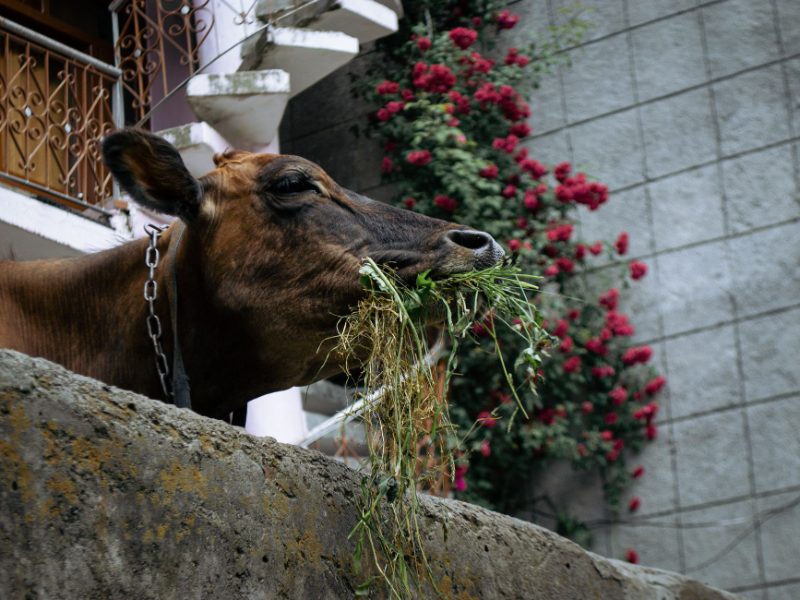
Amul is laying the foundation stone for a new dairy plant in West Bengal on June 14, marking one of the cooperative’s largest investments in eastern India’s dairy processing capacity. The Amul dairy plant in West Bengal is expected to boost local milk procurement, cold-chain infrastructure, and value-added dairy output in a region that has historically trailed western and southern states in processing scale.
The groundbreaking comes as India’s dairy cooperative giant, headquartered in Gujarat and run by the Gujarat Cooperative Milk Marketing Federation, pushes to widen its footprint beyond its traditional strongholds. The West Bengal project follows a broader national push under the government’s Production Linked Incentive Scheme for Food Processing Industry, which has already helped add 34 lakh MT per annum of processing and preservation capacity nationwide and created 3.39 lakh jobs as of February 2026.
Why Is Amul Building a Dairy Plant in West Bengal Now?
West Bengal’s dairy sector has long been dominated by informal, unorganized milk collection, leaving farmers exposed to price volatility and limited access to modern processing. Amul’s new plant aims to formalize procurement through cooperative dairy societies, offering farmers a stable price floor while feeding milk into pasteurization, packaged milk, ghee, and value-added product lines. The timing also lines up with rising urban demand for branded dairy in Kolkata and other Tier 1 and Tier 2 cities across the state.
What Does This Mean for the Wider Dairy and Food Processing Industry?
Amul’s expansion into West Bengal puts competitive pressure on regional dairy cooperatives and private players such as Mother Dairy and local brands that currently serve the eastern market. A larger organized processing base typically compresses margins for smaller unorganized players while improving overall product safety and shelf life through better cold-chain handling. It also strengthens India’s broader dairy processing capacity at a time when the sector is being asked to absorb rising milk output following good monsoon years and government-backed capacity incentives.
Market Reaction and Industry Response
State officials and dairy farmer cooperatives in West Bengal have welcomed the announcement, framing it as a signal of confidence in the state’s agricultural economy. Industry analysts tracking the food processing sector note that Amul’s move mirrors a pattern seen across the PLI-incentivized landscape, where established FMCG and dairy brands are using policy support to enter historically underpenetrated states rather than only deepening presence in existing strongholds like Gujarat and Maharashtra.
What Happens Next for Amul’s West Bengal Expansion?
Construction and commissioning timelines for the new dairy plant are expected to be detailed in the coming months, with local milk procurement drives likely to ramp up in parallel. Industry watchers should track whether Amul extends similar dairy investment to other under-processed eastern states such as Odisha, Bihar, and Assam, and whether the plant qualifies for further incentives under the food processing PLI scheme.
Frequently Asked Questions
Where is Amul’s new dairy plant located?
Amul is building its new dairy processing plant in West Bengal, with the foundation stone laid on June 14 as part of the cooperative’s expansion into eastern India.
Why is West Bengal important for dairy processing expansion?
West Bengal has historically relied on unorganized milk collection with limited processing infrastructure, making it a high-potential market for organized dairy cooperatives like Amul to formalize procurement and boost value-added output.
How does this fit into India’s food processing policy push?
The plant aligns with the government’s Production Linked Incentive Scheme for Food Processing Industry, which has driven processing capacity additions of 34 lakh MT per annum and created 3.39 lakh jobs nationwide as of February 2026.










Leave a comment