

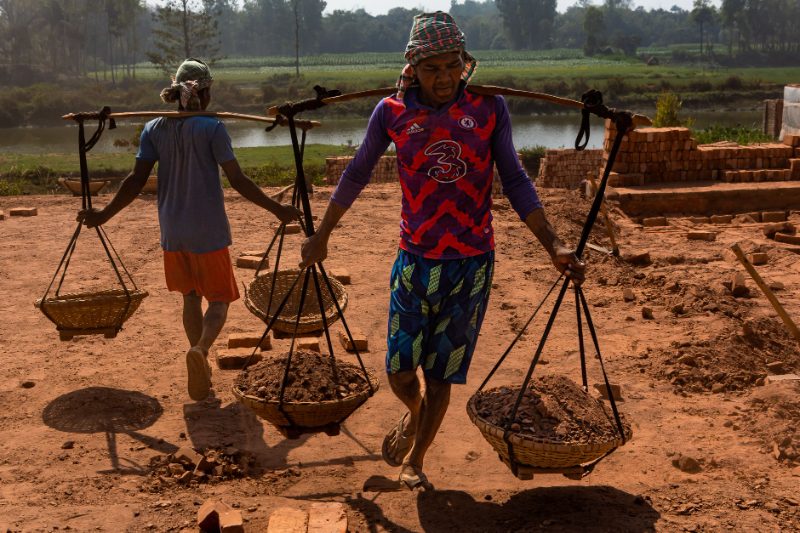
India’s Viksit Bharat Rozgar Mission has set a statutory floor wage of Rs 300 per day for rural employment under the Viksit Bharat-Guarantee for Rozgar and Ajeevika Mission (Gramin) Act, 2025, effective from July 1, 2026. The Viksit Bharat Rozgar Mission floor wage replaces the Mahatma Gandhi National Rural Employment Guarantee Act (MGNREGA), 2005, marking a fundamental shift in how India delivers rural employment guarantee to its most vulnerable workforce.
The Central Government notified the Rs 300 per day floor wage through the Ministry of Rural Development. The new framework raises the minimum from the previous MGNREGA wage of approximately Rs 267 per day (2025-26 national average) and introduces a uniform national floor rather than state-variable rates, ensuring equal minimum protection across all rural districts regardless of state.
How Does the Viksit Bharat Rozgar Mission Differ From MGNREGA?
Unlike MGNREGA’s demand-driven guarantee of 100 days per household, the Viksit Bharat Rozgar Mission introduces a tiered structure: 100 days of unskilled work guarantee at Rs 300 per day, plus an additional 50-day skilled or semi-skilled work component at market-linked wages. The scheme is linked to Ajeevika (livelihood) missions, meaning work is tied to asset creation and skill upgrades rather than stand-alone manual labour. The Ministry of Rural Development estimates the scheme will cover approximately 8 crore rural households in its first operational year of 2026-27.
What Do Economists and Policy Analysts Say?
Economists have flagged both the fiscal ambition and implementation challenges. At Rs 300 per day for 100 days across 8 crore households, the full-year cost could exceed Rs 2.4 lakh crore — considerably larger than the previous MGNREGA budget of Rs 86,000 crore for 2025-26. NITI Aayog has projected that the scheme’s linkage to productivity and skill development could reduce fiscal multiplier concerns if at least 30% of participants transition to semi-skilled work within two years. CII has called for convergence with PLI-linked rural industries to create sustainable employment pipelines beyond the guarantee period.
Market and Economic Reaction
Rural consumption-linked FMCG and two-wheeler sectors have responded positively to the wage floor increase, with analysts at Motilal Oswal projecting a 6-8% uplift in rural demand over the next 12 months. State governments are mapping existing MGNREGA assets — nearly 2.8 crore completed works — into the new framework database. The rupee impact is seen as neutral since the scheme is domestically funded through the consolidated fiscal budget rather than external borrowing. Consumer staples companies with heavy rural distribution reported stronger Q1 FY27 volume expectations at recent analyst briefings.
What Happens Next?
States have until September 30, 2026, to align their rural employment registries with the new framework. The Ministry of Rural Development will release implementation guidelines for the skilled work component by August 2026. Monitoring will shift to a real-time digital MIS dashboard linked to Aadhaar-authenticated work attendance. The next wage revision under the new Act is scheduled for April 1, 2027, using a cost-of-living index methodology replacing the earlier advisory committee process.
Frequently Asked Questions
Has MGNREGA been abolished?
Yes. The Mahatma Gandhi National Rural Employment Guarantee Act, 2005, has been replaced by the Viksit Bharat-Guarantee for Rozgar and Ajeevika Mission (Gramin) Act, 2025, effective July 1, 2026. Existing MGNREGA job card holders are being migrated to the new system automatically.
What is the new daily wage under Viksit Bharat Rozgar Mission?
The statutory floor wage is Rs 300 per day for unskilled rural work, up from the MGNREGA average of approximately Rs 267 per day. Skilled and semi-skilled work under the additional 50-day component attracts market-linked rates above this floor.
How many days of work are guaranteed under the new scheme?
The new scheme guarantees 100 days of unskilled work at Rs 300 per day per rural household, plus an additional 50-day component for skilled or semi-skilled work at market-linked wages, providing up to 150 days of employment support per year.









Leave a comment