

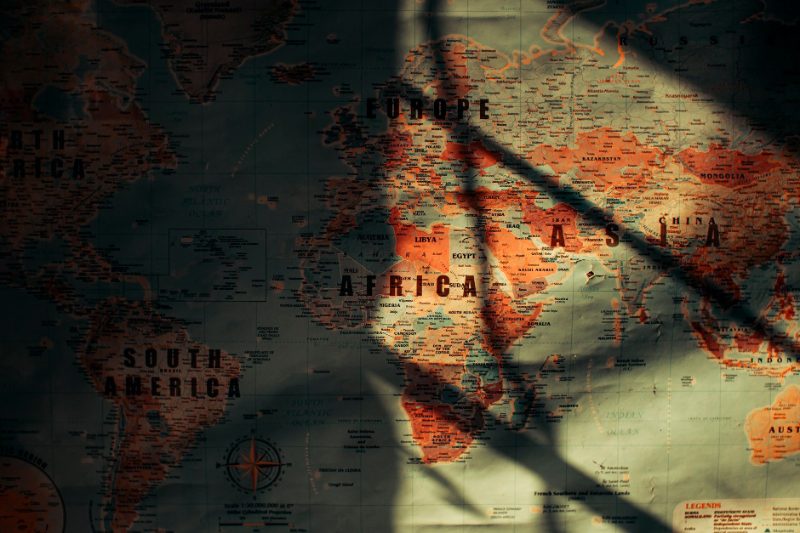
Geopolitical analysts are labelling 2026 a global power shift year, describing the emerging international order as polycentric rather than simply multipolar — meaning power is dispersing across many centers instead of concentrating in one or two blocs. The shift is being driven in part by China’s dominance of what analysts call the “electric stack”: EVs, batteries, drones, robotics and AI infrastructure, a position that has earned China the label of the world’s first electrostate.
The realignment spans multiple regions simultaneously: a hybrid war of sabotage, disinformation and cyber pressure has become the most dangerous front for Europe in its effort to sustain support for Ukraine, Myanmar is re-emerging as a competitive arena between China and India, and Latin America is seeing renewed US engagement, including the capture of Venezuelan President Nicolas Maduro as part of Washington’s hemispheric prioritization.
How Does the Polycentric Shift Affect Global Trade and Supply Chains?
A polycentric order means trade and supply chain decisions are increasingly shaped by multiple competing centers of influence — the US, China, the EU, and regional powers such as India and Gulf states — rather than a single dominant framework. This is already visible in the parallel trade architecture being built in 2026, including the India-EU FTA, the US tariff wall reconstruction under Sections 301 and 232, and China’s continued lead in strategic manufacturing sectors like batteries and EVs.
What Do Geopolitical and Economic Analysts Say?
Analysts at institutions including the World Economic Forum and geopolitical research firms argue that the polycentric framing better captures 2026’s reality than older multipolar narratives, since power is dispersing unevenly across economic, technological and military domains rather than consolidating into two or three clear blocs. Regional specialists note that middle powers, including India, gain relative strategic room to manoeuvre in a polycentric system, but also face more complex balancing decisions across competing partnerships.
Market and Trade Reaction
Markets have responded to the polycentric shift unevenly by sector: clean-technology and EV-linked supply chains continue to price in China’s structural lead, while defence, cybersecurity and critical minerals sectors have drawn increased investor interest tied to the hybrid-conflict and strategic competition themes running through Europe, Latin America and Southeast Asia. Currency and commodity markets remain sensitive to episodic flashpoints, including the Strait of Hormuz standoff and Latin American developments.
What Happens Next?
Analysts expect the polycentric trend to continue shaping trade negotiations, defence alignments and technology competition through the rest of 2026, with India’s trade and foreign policy choices — from the EU and GCC FTAs to its Myanmar posture — likely to be viewed as a bellwether for how middle powers navigate the shifting order. Continued monitoring of flashpoints in Europe, the Gulf and Latin America is expected to remain a key theme for global risk analysts.
Frequently Asked Questions
What does “polycentric world order” mean?
A polycentric order describes a global system where power is dispersed across multiple centers — such as the US, China, the EU, and regional powers — rather than concentrated in one or two dominant blocs, as analysts say is happening through 2026.
Why is China called the world’s first “electrostate”?
Analysts use the term to describe China’s dominance across the “electric stack” — EVs, batteries, drones, robotics and AI infrastructure — which has become a defining source of its global economic and strategic influence in 2026.
How does the global power shift affect India?
A polycentric order gives middle powers like India more room to manoeuvre between competing partnerships, but also requires more complex balancing across trade deals, defence ties and regional rivalries such as its competition with China in Myanmar.









Leave a comment