

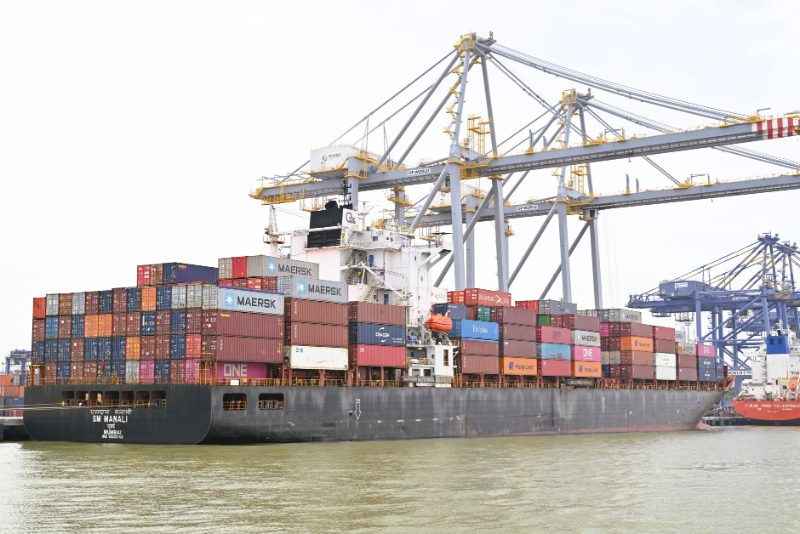
India’s India-UK trade deal customs rules come into force on July 15, 2026, as the government has notified the Rules of Origin framework under the India-UK Comprehensive Economic and Trade Agreement (CETA). The India UK trade deal July 2026 implementation gives 99% of Indian exports to the UK duty-free access by value, benefiting sectors including textiles, pharmaceuticals, engineering goods, gems and jewellery, and leather products.
The Ministry of Finance notified the Customs Tariff (Determination of Origin of Goods under the India-United Kingdom Comprehensive Economic and Trade Agreement) Rules, 2026 in the Official Gazette ahead of the July 15 rollout. Shipments entered into customs on or after July 15, 2026 are eligible for preferential tariff treatment provided compliant origin documentation is in place from authorised issuing bodies in both countries.
What Are the Rules of Origin Under the India-UK Trade Deal?
A product qualifies as originating in India or the UK if it is: (a) wholly obtained in either country; (b) produced entirely from originating materials; or (c) manufactured using non-originating inputs while meeting the product-specific origin requirements (PSRs) prescribed in the agreement’s annexures. Bilateral cumulation is permitted — inputs from either signatory country can be treated as originating when used in further production. Minor operations including simple repackaging, relabelling, washing, sorting, and basic assembly are insufficient to confer originating status. Goods transiting through non-signatory countries must remain under customs supervision without undergoing substantive processing.
Which Indian Sectors Benefit Most From the India-UK Trade Deal?
Labour-intensive sectors stand to gain the most from duty-free UK market access. Textiles and apparel from Tirupur and Surat, leather and footwear from Agra and Chennai, marine products, sports goods, toys, gems and jewellery from Surat and Jaipur, and engineering goods and auto components collectively gain zero-duty access to the UK’s £40 billion import market. The pharmaceutical sector, which exported Rs 4,200 crore worth of medicines to the UK in 2024-25, gets streamlined origin certification that could reduce administrative costs by 12-15%. IT and professional services — India’s largest export category to the UK at $6.2 billion annually — are addressed through services chapter provisions effective simultaneously.
Market and Trade Reaction
The Federation of Indian Export Organisations (FIEO) estimates the deal could add $2-3 billion in Indian exports to the UK annually within three years. UK businesses importing Indian goods have begun updating tariff classification and origin management systems. The Indian Rupee has been stable against the British pound, with the GBP/INR rate holding near 107. Logistics providers and customs brokers at JNPT, Mundra, and Chennai have reported a 20-25% increase in inquiries related to UK-bound shipments ahead of the July 15 effective date.
What Happens Next?
From July 15, 2026, exporters must present a Certificate of Origin or Origin Declaration from an authorised body to claim preferential duty rates. Both India’s Export Inspection Council and designated UK authorities are permitted to issue these certificates. The agreement provides for a post-implementation review at the 18-month mark, scheduled for January 2028. India and the UK are also in early-stage discussions to expand services chapters and establish mutual recognition of professional qualifications between both nations.
Frequently Asked Questions
When do India-UK trade deal customs rules come into effect?
The Rules of Origin framework under the India-UK CETA takes effect on July 15, 2026. Shipments entered into customs on or after this date can claim preferential duty rates with valid origin documentation from authorised issuing bodies.
What percentage of Indian exports get duty-free access to the UK?
99% of Indian exports to the UK by value receive duty-free access under the India-UK Comprehensive Economic and Trade Agreement, with the most immediate benefits for textiles, pharmaceuticals, leather, and engineering goods.
How do exporters prove origin under the new India-UK trade rules?
Exporters must obtain a Certificate of Origin from an authorised issuing body such as India’s Export Inspection Council, or provide a self-declared Origin Declaration. Products must meet product-specific rules from the agreement’s annexure and must not have undergone only minor operations that do not confer originating status.









Leave a comment