

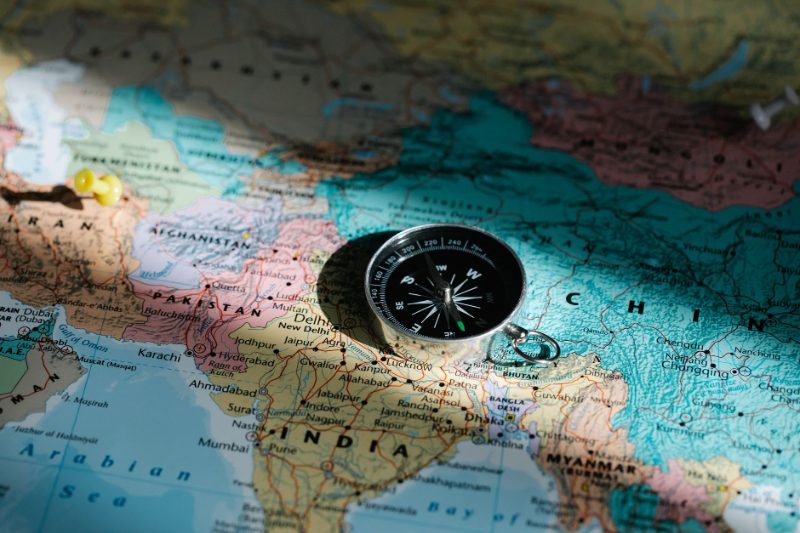
India’s strategic autonomy is facing its most significant test in years as the Iran conflict reshapes energy supply routes, disrupts Gulf maritime trade, and transmits economic shocks through interconnected global markets. The India geopolitical impact Iran war 2026 scenario has led Goldman Sachs and Moody’s to revise India’s GDP growth forecasts down to 5.9-6% from earlier estimates of nearly 7%, citing energy price volatility and heightened risk to Indian shipping through the Strait of Hormuz.
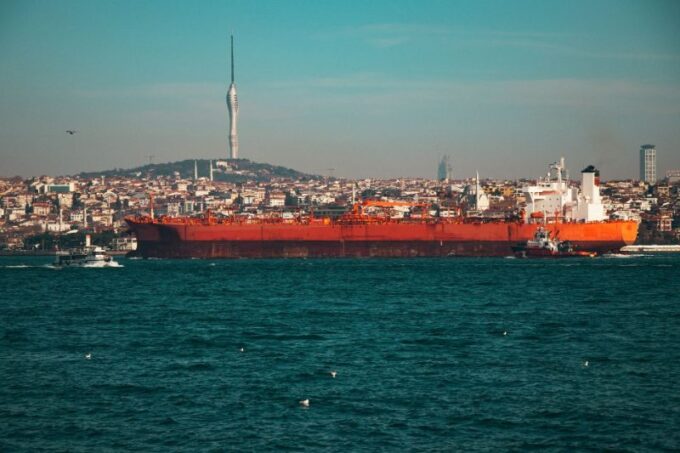
The Iran conflict — ongoing since late 2025 — has disrupted the Strait of Hormuz, through which approximately 20% of the world’s oil supply passes daily. India imports over 4.5 million barrels per day of crude oil, with a significant share previously sourced from Iran under discounted arrangements. India’s commitment under the February 2026 US-India trade deal to phase out Russian oil imports by April 30, 2026, has compounded the supply diversification challenge, forcing Indian refineries to rapidly pivot toward market-rate Middle Eastern and US crude alternatives.
How Is the Iran Conflict Affecting India’s Economy and Trade?
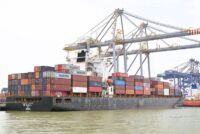
The Iran conflict is transmitting three distinct shocks to the Indian economy. First, on energy: India’s crude import bill has risen by an estimated $8-12 billion annually as Iranian and Russian discount barrels are replaced by market-rate alternatives, squeezing refinery margins at BPCL, HPCL, and IOCL. Second, on maritime trade: Indian cargo carriers and freight forwarders report a 15-20% increase in insurance premiums and rerouting costs on Gulf-bound cargo as war-risk zones expand. Third, on the Indian diaspora: approximately 8.9 million Indians reside in Gulf Cooperation Council countries, and any escalation affecting their employment or safety carries direct remittance and welfare consequences. India’s Ministry of External Affairs has deployed diplomatic teams to Qatar, UAE, and Oman to coordinate contingency planning.
What Do Strategic Analysts Say About India’s Position?
BJP national general secretary Ram Madhav has argued that India must “shape events, not just react” as global geopolitical alignments shift rapidly in 2026. ORF’s strategic affairs division notes that India’s simultaneous engagement in Quad, BRICS, and SCO — while maintaining trade and energy ties across conflicting blocs — reflects a deliberate strategic autonomy posture that is increasingly difficult to sustain as partners demand clearer alignment. Analysts at Brookings India point out that the US-India trade deal requirement to cease Russian oil imports has materially constrained this autonomy, removing one of India’s key energy diversification levers. Moody’s has placed India’s growth outlook on watch-negative pending Hormuz route stabilisation and resolution of energy sourcing uncertainty.
Market and Economic Reaction
Indian equity markets have been volatile, with energy and logistics sectors most affected. Oil marketing companies have underperformed the broader market as higher crude costs compress refinery margins. The rupee has seen periodic bouts of weakness tied to elevated oil import payment pressures, though RBI intervention and the current account surplus have provided a floor near 84 per dollar. The Indian government has activated its strategic petroleum reserves for the first time since 2022, releasing 5 million barrels to buffer the price spike. India’s non-oil goods exports have paradoxically benefited from the conflict, as Gulf supply chain disruptions have increased demand for Indian manufacturing alternatives across Southeast Asian and African markets.
What Happens Next?
India is accelerating LNG import infrastructure to reduce pipeline dependence on Gulf crude: the FSRU at Kamarajar Port is targeted for commissioning by September 2026. India’s Monsoon Session of Parliament (July 20 to August 13, 2026) is expected to debate energy security policy and the terms of the US-India trade deal’s oil cessation clause. Economically, Goldman Sachs estimates India’s GDP growth forecast could recover to 6.5-6.8% if Hormuz routes stabilise by Q3 2026, according to Nomura India projections. Japan-India strategic petroleum stockpile cooperation, agreed at the July 2 summit, may provide India an additional buffer as the conflict continues.
Frequently Asked Questions
How has the Iran conflict affected India’s oil imports in 2026?
The Iran conflict has disrupted Strait of Hormuz shipping routes and effectively ended India’s access to discounted Iranian crude. Combined with India’s US-India trade deal commitment to end Russian oil imports by April 2026, India’s crude import bill has risen by an estimated $8-12 billion annually as refineries source costlier market-rate alternatives.
What is India’s GDP growth forecast for FY27 amid geopolitical tensions?
Goldman Sachs and Moody’s have revised India’s GDP growth forecast to 5.9-6% for FY27, down from earlier estimates of 6.8-7%, citing energy price shocks, maritime trade cost increases, and global demand slowdown linked to the Iran conflict and broader geopolitical realignment.
Is India taking sides in the Iran conflict?
India has maintained a strategic autonomy posture — not taking sides militarily — while engaging diplomatically through Gulf interlocutors to protect its 8.9 million diaspora in the region. The terms of the US-India trade deal have modestly constrained India’s Iran engagement space, but India continues back-channel dialogue to secure energy routes and diaspora safety.










Leave a comment