

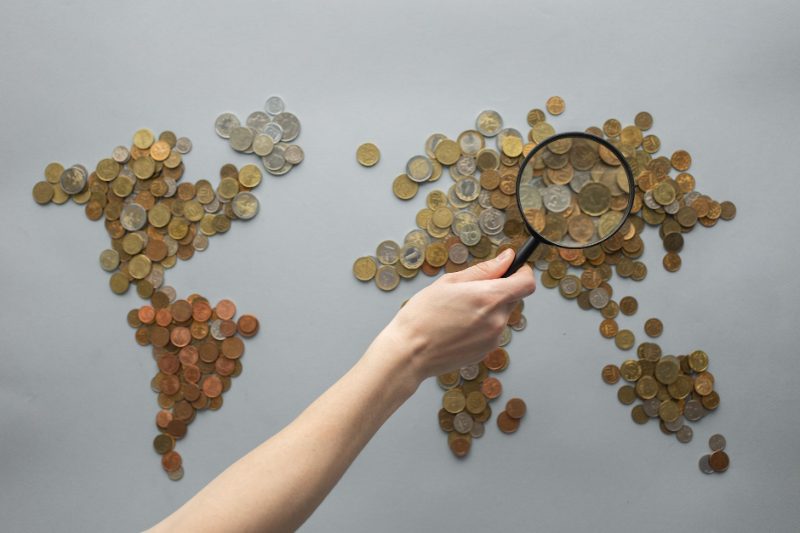
Global confidence that the United States will still lead the world by 2030 has collapsed to just 37%, down sharply from 70% a year earlier, according to World Economic Forum analysts tracking the shift. The polycentric world order 2026 is how WEF researchers now describe the emerging global structure, with power dispersing across multiple centers instead of concentrating around one or two dominant states as in previous decades.
The shift comes as Europe’s largest economies, including France, Germany, and the UK, enter the second half of 2026 with weak governing coalitions squeezed between populist movements, limiting their capacity to project unified influence abroad. Analysts note the most dangerous front for Europe has moved from the front lines in Ukraine to a hybrid war of sabotage, disinformation, and cyber pressure aimed at eroding public support for Kyiv.
What Does a Polycentric World Order Mean for India and Asia?
In the Asia-Pacific, dueling state visits and diplomatic overtures show Myanmar re-emerging as an arena of geopolitical competition between China and India, illustrating how middle powers are increasingly contested ground in the new multipolar landscape. For India, the shift toward polycentrism aligns with its strategic push to diversify trade partnerships, evident in the near-simultaneous conclusion of the India-EU FTA and the India-US interim trade framework earlier in 2026.
What Do Geopolitical Analysts Say About the Power Shift?
Geopolitical risk consultancies describe global risk through Q3 2026 as being shaped by a fragile Middle East truce, persistent energy-driven inflation, shifting US trade policy, and escalating regional pressures spanning from Europe to Africa. WEF analysts argue the decline in confidence around continued US global leadership reflects both domestic political volatility in Washington and the growing economic weight of alternative power centers, including China, India, and regional blocs in the Gulf and Southeast Asia.
Market and Trade Reaction
Currency and sovereign-bond markets have shown increased sensitivity to geopolitical headlines through 2026, with safe-haven flows shifting more unpredictably as investors recalibrate assumptions about which powers will set the rules for global trade and security going forward. Analysts tracking Indian markets note the diversification of India’s trade relationships, through new FTAs with the EU and a near-final US framework, positions the country to benefit from a more fragmented global order rather than be destabilized by it.
What Happens Next?
The World Economic Forum’s next major geopolitical risk assessment is expected around its regional meetings later in 2026, where analysts will reassess confidence metrics on global leadership. Policymakers in India and other middle powers are likely to continue hedging through multiple simultaneous trade and diplomatic tracks rather than relying on any single strategic partnership.
Frequently Asked Questions
What is meant by a “polycentric” world order?
It describes a global structure where power is dispersed across many centers, such as the US, China, India, the EU, and regional blocs, rather than concentrated around one or two dominant powers.
Why has confidence in US global leadership dropped in 2026?
World Economic Forum analysts attribute the drop, from 70% to 37% confidence that the US will still lead by 2030, to domestic political volatility and the rising economic weight of alternative global power centers.
How does the polycentric shift affect India’s strategy?
India has responded by diversifying trade partnerships, concluding the India-EU FTA and nearing a US trade framework in 2026, positioning itself to benefit from a more fragmented global order.








Leave a comment