

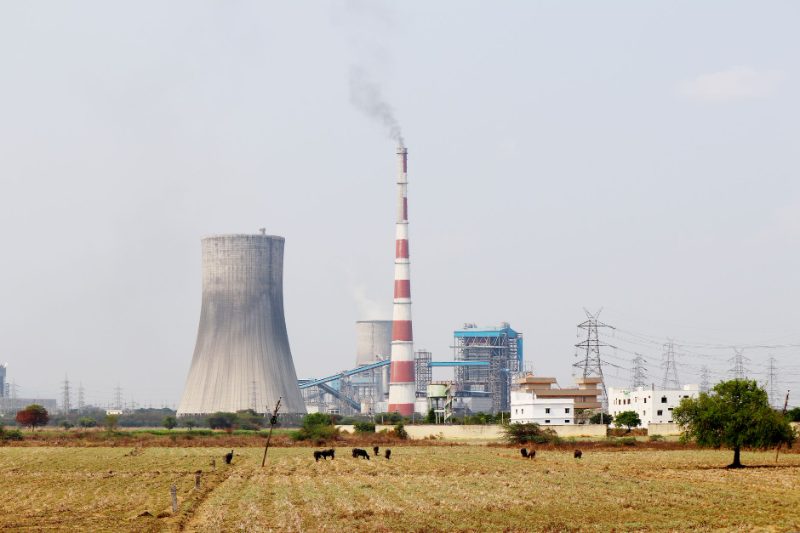
Diamines & Chemicals Limited has acquired approximately 50 acres of industrial land in Kakinada, Andhra Pradesh, through its wholly owned subsidiary DACL Fine Chem Limited, to establish a new greenfield chemical manufacturing facility. The Diamines Chemicals Andhra Pradesh plant marks a significant capacity expansion for the company and reflects India’s broader industrial corridor strategy of building integrated chemical manufacturing hubs along the country’s eastern coastline.
Kakinada, located in East Godavari district, is part of the Andhra Pradesh government’s petrochemical and chemical industry development zone, which benefits from proximity to the KG Basin gas fields, the Kakinada deep-water port, and existing pipeline infrastructure. The land acquisition by DACL Fine Chem positions the company to scale manufacturing in fine chemicals and chemical intermediates—segments experiencing strong domestic and export demand in 2026.
Why Did Diamines & Chemicals Choose Kakinada, Andhra Pradesh for Expansion?
Kakinada offers a strategic combination of infrastructure advantages that make it one of India’s most attractive chemical manufacturing locations. The Kakinada SEZ and the adjacent petrochemical industrial cluster provide pipeline access to natural gas feedstock from the KG Basin—critical for amine and diamine synthesis, which relies on ammonia and hydrogen feedstocks derived from natural gas. The Kakinada deep-water port handles bulk chemical exports efficiently, with direct shipping routes to Southeast Asia, the Middle East, and Europe. The Andhra Pradesh government has provided industrial land at concessional rates under its AP Industrial Development Policy 2023–27, along with power tariff concessions for chemical manufacturers that commit to creating 100+ direct employment positions. DACL Fine Chem’s 50-acre acquisition provides sufficient land for a phased manufacturing facility, with Phase 1 expected to be commissioned within 24–30 months of regulatory clearances.
How Does This Fit India’s Industrial Corridor Chemical Hub Strategy?
India is fast-tracking the development of Petroleum, Chemicals and Petrochemicals Investment Regions (PCPIRs) and integrated chemical parks as part of its national industrial corridor programme. The Visakhapatnam-Chennai Industrial Corridor (VCIC), which passes through Kakinada, is designed to create a contiguous zone of chemical, pharmaceutical, and advanced manufacturing capacity along Andhra Pradesh’s coast. The Ministry of Chemicals and Petrochemicals has identified 12 chemical clusters across India for preferential infrastructure development, of which the Kakinada-Vizag corridor is among the top priorities due to its feedstock access and port infrastructure. Diamines & Chemicals’ expansion aligns with a broader trend of Indian mid-cap specialty chemical companies acquiring strategic land positions in these corridors ahead of anticipated infrastructure upgrades that will lower logistics costs by an estimated 18–22% compared to inland locations.
Market Reaction and Industry Response
Diamines & Chemicals Limited’s stock reacted positively to the land acquisition announcement, with analysts viewing it as evidence of management’s confidence in demand growth for amines and fine chemical intermediates. The company, which manufactures ethylene amines, polyamines, and speciality amine derivatives used in agrochemicals, water treatment, personal care, and epoxy curing agents, serves both domestic and export markets. Demand for amine-based intermediates is growing 8–10% annually globally, driven by agrochemical formulation growth in Asia and epoxy resin demand from India’s construction and wind energy sectors. Several peer companies including Balaji Amines, BASF India, and Huntsman have also announced capacity expansions in similar amine chemistry segments, underscoring the sector’s attractiveness in 2026.
What Happens Next for Diamines & Chemicals and the Kakinada Plant?
DACL Fine Chem will now proceed with environmental impact assessment (EIA) filings and consent-to-establish applications with the Andhra Pradesh Pollution Control Board, a process that typically takes 12–18 months for greenfield chemical facilities. Detailed project report (DPR) preparation is expected to commence in Q3 2026, with the company targeting a foundation-laying ceremony by mid-2027. The Kakinada plant is expected to add meaningful revenue contribution from FY29 onwards. Meanwhile, Diamines’ existing plant in Vadodara, Gujarat continues to operate at full capacity, supplying domestic demand that has grown 12% year-on-year in FY26 on the back of strong agrochemical and construction chemical sector purchases.
Frequently Asked Questions
What will Diamines & Chemicals manufacture at its new Kakinada plant?
The Kakinada greenfield facility, operated through subsidiary DACL Fine Chem Limited, is expected to manufacture fine chemicals and speciality chemical intermediates, building on Diamines’ core expertise in ethylene amines, polyamines, and amine derivatives used in agrochemicals, water treatment, epoxy systems, and personal care products.
Why is Kakinada, Andhra Pradesh an attractive location for chemical manufacturing?
Kakinada offers access to KG Basin natural gas feedstock via pipeline, a deep-water port for bulk chemical exports, the Andhra Pradesh government’s industrial incentive package under its 2023–27 policy, and proximity to the Visakhapatnam-Chennai Industrial Corridor—one of India’s priority integrated manufacturing zones for chemicals and petrochemicals.
What is India’s industrial corridor strategy for chemical manufacturing?
India is developing Petroleum, Chemicals and Petrochemicals Investment Regions (PCPIRs) and 12 priority chemical clusters along major industrial corridors, including the Visakhapatnam-Chennai Industrial Corridor and the Delhi-Mumbai Industrial Corridor. These hubs provide integrated infrastructure—pipelines, ports, power, and logistics—that reduce manufacturing costs by 18–22% compared to standalone inland chemical plants.










Leave a comment