

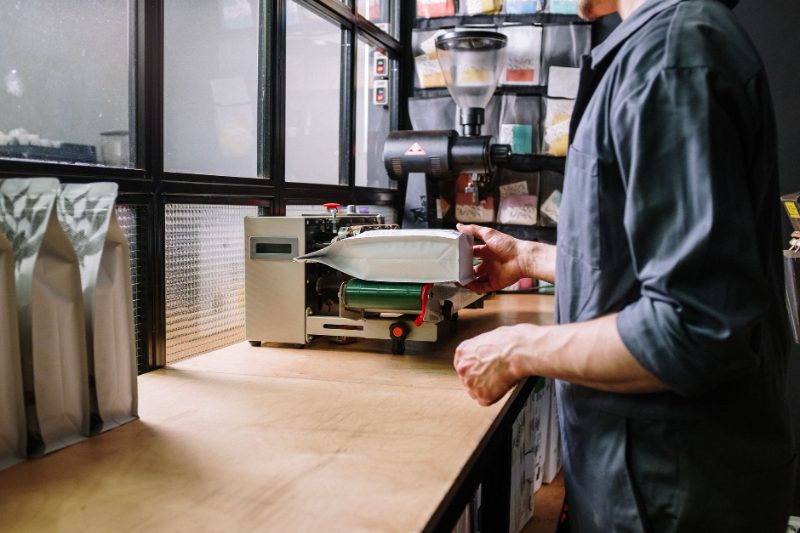
India’s consumer packaging industry is on track to grow from USD 62.8 billion in 2026 to USD 109.3 billion by 2036, at a compound annual growth rate (CAGR) of 5.7%, according to latest market projections. The India packaging market growth story is underpinned by a combination of rising FMCG consumption, surging e-commerce penetration, food delivery industry expansion, and pharmaceutical sector demand that collectively make India one of the world’s most compelling packaging investment destinations.
India currently ranks as the world’s fifth-largest packaging market, with a total market value exceeding USD 50 billion growing at 14–15% annually across all packaging formats. Flexible packaging is the dominant category, accounting for 64.3% of India’s packaging segment in 2026, while plastics lead by material at a 52.4% share. These structural characteristics are driving a wave of manufacturing investment, technology upgrades, and capital market activity including the Knack Packaging IPO that listed on NSE and BSE on July 8, 2026.
What Is Driving India Packaging Market Growth to $109 Billion by 2036?
Multiple converging factors are powering India packaging market growth across the decade to 2036. India’s FMCG sector, valued at approximately ₹6.5 lakh crore, is the largest end-user of packaging and is growing at 8–10% annually. The rapid expansion of organised retail — modern trade formats now account for over 15% of FMCG distribution — has accelerated demand for standardised, shelf-ready packaging. E-commerce platforms processed over 100 crore packages in FY2025-26, creating demand for secondary and tertiary packaging across corrugated boxes, void fill materials, and protective packaging. Meanwhile, India’s pharmaceutical industry — the world’s largest supplier of generic medicines by volume — generated over USD 4.5 billion in pharmaceutical packaging demand in 2026 alone.
How Is India’s Packaging Industry Evolving Technologically?
India’s packaging manufacturers are rapidly investing in automation, smart packaging technologies, and sustainable packaging formats to meet both domestic and export customer demands. Packaging machinery imports have grown 22% year-on-year in FY2025-26, with high-speed form-fill-seal machines, robotics for packing lines, and digital printing systems leading procurement. Fresh meat and perishable food packaging is a fast-growing sub-segment: the global fresh meat packaging market is projected to reach USD 4.38 billion by 2030, with India’s contribution growing as cold chain infrastructure improves. Modified Atmosphere Packaging (MAP), active packaging, and QR-code enabled smart packaging are all gaining traction among India’s larger FMCG customers in 2026.
Market Reaction and Industry Response
Capital markets have reflected confidence in India packaging market growth, with multiple packaging companies pursuing IPOs in 2025-26. What Packaging?, India’s standalone packaging industry magazine, launched its inaugural independent issue in July 2026, signalling the sector’s maturation as a distinct industrial category deserving dedicated media coverage. ProPak India 2026, the country’s premier packaging machinery exhibition, reported a 30% increase in international exhibitor participation compared to 2024, reflecting global recognition of India’s packaging opportunity. The Indian Institute of Packaging (IIP) estimated that new packaging plant commissioning in FY2025-26 added approximately 1.2 million tonnes of annual packaging production capacity across India.
What Happens Next?
The near-term catalyst for India’s packaging industry is the Bureau of Indian Standards (BIS) finalisation of updated Extended Producer Responsibility (EPR) guidelines for plastic packaging, expected in Q3 2026. These regulations will require packaging producers and brand owners to take responsibility for post-consumer packaging waste recovery and recycling, accelerating investment in recyclable flexible packaging, paper-based alternatives, and bio-degradable packaging. Companies that have invested ahead of the regulatory curve are positioned to capture premium pricing and preferential procurement from MNCs with global sustainability commitments. The festive season in Q3-Q4 2026 is expected to drive record packaging demand, with consumer goods companies typically increasing packaging procurement by 25–35% during the October–December period.
Frequently Asked Questions
How large is India’s packaging market in 2026?
India’s total packaging market exceeds USD 50 billion in 2026 and is growing at a CAGR of 14–15%. The consumer packaging segment specifically is valued at USD 62.8 billion and is projected to reach USD 109.3 billion by 2036 at a CAGR of 5.7%, driven by FMCG growth, e-commerce, and pharmaceutical packaging demand.
What types of packaging dominate India’s market?
Flexible packaging is the largest category in India, accounting for 64.3% of the packaging segment in 2026. By material, plastics lead with a 52.4% share. High-growth segments include pharmaceutical blister packaging, cold chain food packaging, and e-commerce secondary packaging, all recording double-digit annual growth rates.
What sustainability regulations are affecting India’s packaging industry?
India’s Bureau of Indian Standards (BIS) is finalising updated Extended Producer Responsibility (EPR) guidelines for plastic packaging in 2026, requiring brand owners and packaging producers to fund post-consumer waste recovery. These regulations are accelerating investment in recyclable flexible films, paper-based packaging alternatives, and certified compostable packaging across India’s FMCG and food sectors.









Leave a comment