

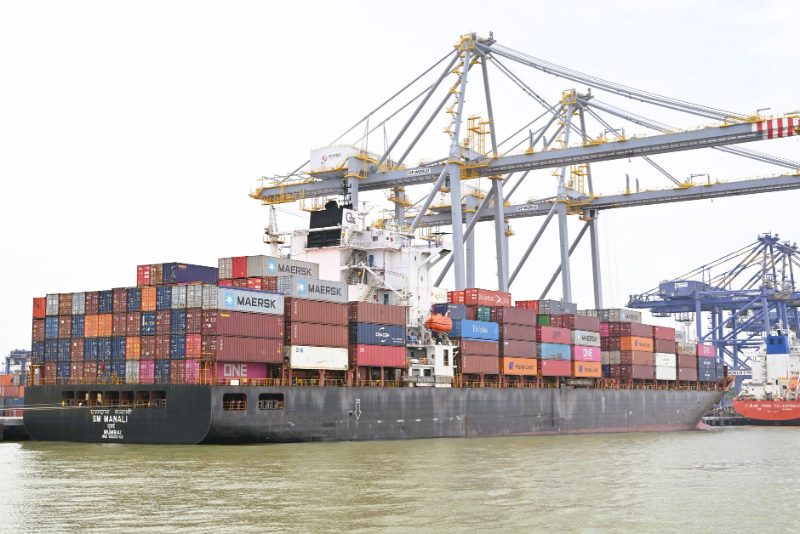
The India-UK Comprehensive Economic and Trade Agreement (CETA) enters into force on July 15, 2026, giving 99% of Indian exports to the UK duty-free access by value. The India UK trade deal July 2026 implementation begins one week from today, requiring Indian exporters, importers, customs brokers, and manufacturers to align documentation, origin records, and customs procedures with newly notified rules of origin to claim preferential tariff treatment at the border.
The Central Board of Indirect Taxes and Customs (CBIC) notified the Rules of Origin framework for the India-UK CETA on July 4, 2026, giving businesses less than two weeks to prepare compliance documentation. The agreement covers bilateral trade currently valued at approximately $36 billion annually, with the UK being India’s 16th largest trading partner and India being the UK’s 11th largest.
What Are the India-UK Trade Deal Rules of Origin?
Under the newly notified origin framework, a product qualifies as Indian-origin (and thus eligible for preferential UK duty rates) if it is: wholly obtained in India; produced entirely from originating materials; or manufactured using non-originating inputs while meeting product-specific rules (PSRs) prescribed in the agreement annexures. The framework allows cumulation — meaning inputs from the UK used in Indian manufacturing are treated as originating Indian material for origin calculation purposes, and vice versa. This is particularly valuable for integrated India-UK supply chains in pharmaceuticals, automotive components, and electronics. Exporters must issue a Statement on Origin on the commercial invoice or a separate origin declaration document for shipments valued above ₹6.7 lakh (approximately £6,000).
What Do Trade Bodies and Customs Experts Say?
The Federation of Indian Export Organisations (FIEO) has urged the CBIC to provide a 30-day grace period for origin documentation compliance, noting that many SME exporters are unaware of the July 15 deadline. UK customs consultancy Exporter Services has published guidance noting that “shipments entered on or after July 15 needing compliant origin support to claim preference must be fully documented — retroactive claims are not permitted.” India’s pharmaceutical exporters, who send over $3 billion in medicines to the UK annually, are expected to benefit from zero or near-zero duties replacing the current 5–6% UK import duty on most drug formulations. UK’s High Commissioner to India confirmed that both sides are working to ensure smooth implementation.
Market and Trade Reaction
Indian textile exporters — who face 12% UK duties currently — stand to gain the most from immediate duty-free access. The Apparel Export Promotion Council (AEPC) estimates the deal could boost Indian garment exports to the UK from $1.4 billion to $2.2 billion within two years. UK supermarket chains and retailers sourcing Indian food products, spices, and processed foods will also benefit from zero duties on items previously attracting 5–10% tariffs. The Indian rupee has seen modest appreciation against sterling in anticipation of increased bilateral flows.
What Happens Next?
From July 15, 2026, exporters must include a Statement on Origin with all commercial shipments to claim CETA preference rates. CBIC has launched an online portal for origin certification. Both countries will conduct a formal review of the agreement’s implementation at the 6-month mark (January 2026). An accompanying Double Contribution Convention — which allows professionals working in both countries to avoid paying social security contributions in both jurisdictions simultaneously — enters into force on the same date, benefiting an estimated 100,000 Indian professionals working in the UK.
Frequently Asked Questions
What is the India-UK CETA and when does it come into force?
The India-UK Comprehensive Economic and Trade Agreement (CETA) is a bilateral free trade deal that gives 99% of Indian exports to the UK duty-free access by value and significantly reduces UK goods tariffs into India. It enters into force on July 15, 2026, following CBIC notification of rules of origin on July 4, 2026.
What do Indian exporters need to do before July 15, 2026?
Indian exporters should verify their products meet the product-specific rules of origin in the CETA annexures, prepare origin declarations or Statements on Origin for commercial invoices, update shipping and customs documentation, and confirm Aadhaar-linked IEC (Importer-Exporter Code) details are current with CBIC’s new portal.
Which Indian products get duty-free access to the UK under CETA?
Under the India-UK CETA, 99% of Indian exports by value gain duty-free UK access, including textiles and apparel (previously 12%), pharmaceuticals (previously 5–6%), processed foods, spices, leather goods, gems and jewellery, chemicals, and engineering goods. A small number of sensitive agricultural items remain outside full liberalisation.











Leave a comment