

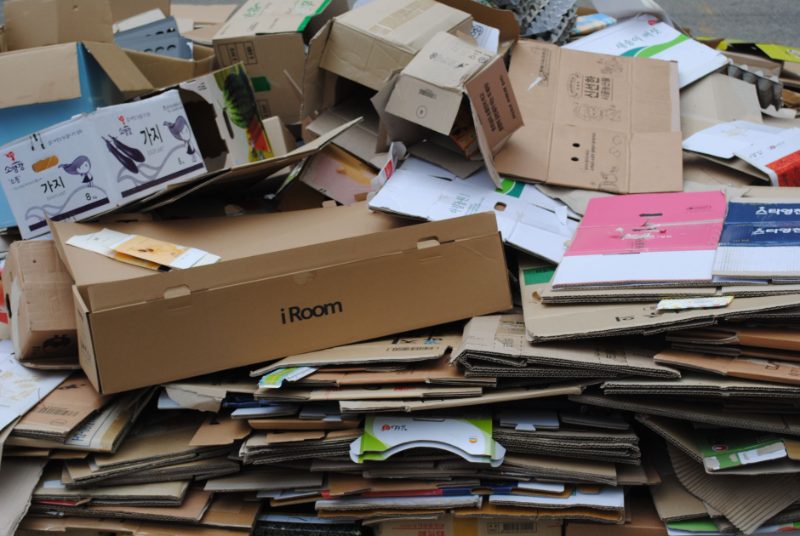
India’s Extended Producer Responsibility (EPR) guidelines for paper packaging, mandating phased recycling targets for Producers, Importers, and Brand Owners (PIBOs), came into force from April 1, 2026. The India packaging EPR guidelines 2026 represent a fundamental shift in how companies must account for the end-of-life management of their packaging materials, with non-compliance risking penalties and loss of environmental clearances.
The EPR framework for packaging is part of India’s broader Plastic Waste Management Rules expansion, now extended to cover paper and paperboard packaging used across FMCG, e-commerce, food processing, and pharmaceutical sectors. Producers, importers, and brand owners using packaging above defined volume thresholds are required to register on the centralised EPR portal and submit annual recycling compliance reports.
What Do India’s New Packaging EPR Guidelines Require in 2026?
Under the India packaging EPR guidelines 2026, PIBOs must meet phased recycling targets beginning April 2026, with targets set to increase each financial year through 2029-30. Companies are required to either establish in-house recycling infrastructure, enter into agreements with certified recyclers and waste management agencies, or purchase EPR certificates from registered recyclers to offset their obligations. The Central Pollution Control Board (CPCB) has set up a digital portal for registration, annual reporting, and certificate trading, making compliance tracking mandatory. Early-stage guidance from the Ministry of Environment, Forest and Climate Change (MoEF&CC) indicates that companies failing to meet annual targets will face financial penalties proportional to the volume shortfall.
How Will EPR Rules Impact India’s Packaging Industry?
The EPR mandate is expected to accelerate demand for recyclable and sustainable packaging solutions across India’s USD 62.8 billion consumer packaging market. Manufacturers of corrugated boxes, paper bags, cartons, and multi-layer packaging will need to redesign products to meet recyclability standards or face higher compliance costs. Brand owners in FMCG and e-commerce — the two largest users of paper packaging — are already issuing revised packaging briefs to their suppliers specifying EPR-compliant materials. This is creating new opportunities for packaging converters who can offer recycled-content paper and board alongside EPR certificate support services.
Market Reaction and Industry Response
Industry bodies including the Indian Corrugated Case Manufacturers’ Association (ICCMA) and the Paper and Board Manufacturers Association (PBMA) have welcomed the EPR framework while requesting a longer transition window for MSMEs to upgrade equipment and establish recycler linkages. Major FMCG brands including Hindustan Unilever, ITC, and Nestlé India are understood to have already registered on the CPCB EPR portal and submitted preliminary compliance plans. Packaging machinery suppliers report an uptick in inquiries for recycling-compatible processing equipment as manufacturers move to meet the new requirements.
What Happens Next?
The first annual EPR compliance report under the 2026 rules is due by June 30, 2027, giving companies approximately 15 months to establish their recycling infrastructure and certificate procurement pipelines. MoEF&CC is expected to release sector-specific recycling target schedules for non-paper packaging categories by Q3 2026, extending EPR obligations to plastic flexible packaging and multilayer laminates. Industry observers will watch whether the CPCB’s EPR certificate marketplace develops sufficient liquidity for smaller producers to meet their obligations through certificate purchases rather than direct recycling investment.
Frequently Asked Questions
What is India’s EPR rule for packaging and when did it start?
India’s Extended Producer Responsibility (EPR) framework for paper packaging came into effect from April 1, 2026. It requires Producers, Importers, and Brand Owners (PIBOs) using paper packaging above defined volume thresholds to register with the CPCB, meet phased annual recycling targets, and file compliance reports. Non-compliance attracts financial penalties proportional to the volume shortfall.
Who is covered under India’s packaging EPR guidelines 2026?
All Producers, Importers, and Brand Owners (PIBOs) that use paper and paperboard packaging in their business operations above specified annual volume thresholds are covered. This spans FMCG manufacturers, e-commerce companies, pharmaceutical packagers, food processors, and any entity that imports or markets products in paper-based packaging in India.
How can companies comply with India’s packaging EPR rules?
Companies can comply by establishing their own recycling infrastructure, signing agreements with CPCB-certified recyclers or waste management agencies, or purchasing EPR certificates from registered recyclers through the CPCB digital portal. A combination of all three approaches is permitted, and companies must submit annual compliance reports by June 30 of each subsequent year.












Leave a comment