


India’s paints and coatings market is set to reach USD 12.51 billion in 2026, up from USD 11.45 billion in 2025, as premium decorative and specialty industrial coatings drive the sector’s 9.28% compound annual growth rate. Q4 FY2026 data confirms a structural pricing shift, with waterproofing, textured finishes, and functional coatings outpacing standard paint categories even as raw material costs remain elevated.
The paints sector — dominated by Asian Paints, Berger Paints, Kansai Nerolac, and Akzo Nobel India — is navigating a market where consumers are trading up to premium products while commodity-grade segments face price sensitivity and margin pressure. New entrant Grasim Industries, through its Birla Opus brand, has added fresh competitive intensity since its 2023 launch.
Why Is India’s Paint Market Shifting Toward Premium Products?
Rising disposable incomes, increased exposure to global design trends, and a post-pandemic focus on home improvement are driving Indian consumers to opt for premium interior and exterior paints. Products with antimicrobial properties, heat-reflective formulations, and longer durability guarantees are commanding 15–25% price premiums over standard offerings. The government’s Pradhan Mantri Awas Yojana (PMAY) urban housing scheme, which has created over 1.18 crore homes, is also generating sustained demand for construction-phase coatings in affordable housing projects across Tier-2 and Tier-3 cities.
What Is Driving India’s Paint Market to $19.5 Billion by 2031?
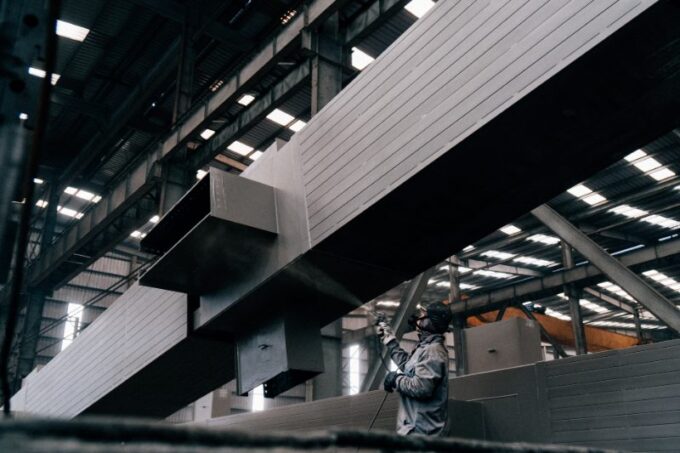
Beyond decorative paints — which account for roughly 70% of volume — industrial coatings for the automotive, infrastructure, marine, and packaging sectors are contributing to the sector’s long-term growth runway. India’s expanding metro and expressway network requires large-volume applications of anti-corrosion and protective coatings. The PLI (Production Linked Incentive) scheme for automobile and auto components manufacturing is creating downstream demand for OEM automotive coatings. Analysts project the market will reach USD 19.5 billion by 2031, supported by urbanisation rates expected to cross 40% by 2030.
Market Reaction and Industry Response
TiO₂ (titanium dioxide) — a critical pigment raw material — has remained elevated in price through early 2026, compressing gross margins for manufacturers who cannot fully pass costs to end consumers. Asian Paints, scheduled to report Q1 FY27 results on July 29, and Berger Paints, due to announce on August 5, are expected to provide fresh guidance on volume growth, pricing strategy, and raw material outlook. Grasim Industries’ Birla Opus has invested over ₹10,000 crore in paint capacity and is expected to have a meaningful volume impact in the premium decorative segment through 2026.
What Happens Next?
The next 90 days will be critical for India’s paint sector. Monsoon-season softness in construction activity typically affects decorative paint volumes in Q2, though waterproofing product sales see a seasonal uptick. Updated BIS norms on VOC emissions, expected later in 2026, could accelerate reformulation spending across the industry. Investors and industry watchers will closely track Q1 FY27 earnings from the sector’s top three players for signals on whether the premium-segment growth is translating into earnings recovery.
Frequently Asked Questions
What is the size of India’s paints and coatings market in 2026?
India’s paints and coatings market is estimated at USD 12.51 billion in 2026, growing at a CAGR of 9.28%. The market is projected to reach USD 19.5 billion by 2031, driven by growth in both decorative and industrial coatings segments.
Which companies lead India’s paint industry?
Asian Paints holds the top position with around 40% market share in decorative paints, followed by Berger Paints, Kansai Nerolac, and Akzo Nobel India. Grasim Industries’ Birla Opus brand entered the market in 2023 and is rapidly capturing share through aggressive distribution and capacity investment.
What is driving growth in India’s industrial coatings segment?
India’s industrial coatings market is growing on the back of expanding automotive production, large-scale infrastructure projects, and PLI-driven manufacturing investment. Anti-corrosion coatings for bridges, pipelines, and marine applications are among the fastest-growing categories within the industrial segment.











Leave a comment