


India’s specialty chemicals sector will see operating margins contract to 14–14.5% this fiscal year, down from approximately 16% last year, according to a new Crisil Ratings analysis — even as revenue grows around 6% compared to 8% in each of the previous two years. The specialty chemicals India margin pressure stems from subdued export demand, limited pricing power in overseas markets, and rising crude-linked raw material costs that manufacturers cannot fully pass on to international buyers facing their own cost pressures.
The Crisil report, published in early July 2026, flags a 150–200 basis point contraction in operating margins as the key risk for specialty chemical companies this fiscal, with the impact varying significantly based on end-market exposure, raw material mix, and individual companies’ pricing power. The analysis covers agrochemicals, dyes and pigments, flavours and fragrances, and fine chemicals — sectors that together account for a substantial portion of India’s USD 40+ billion chemical industry output.
Why Are India’s Specialty Chemical Margins Under Pressure in FY27?
Three factors are converging to squeeze specialty chemical margins: first, export demand remains subdued as global chemical buyers — particularly in Europe and North America — manage inventory cautiously and delay procurement in an uncertain trade environment. Second, crude oil prices have risen, pushing up the cost of key petrochemical feedstocks including benzene, toluene, xylene (BTX), ethylene, and propylene — inputs that underpin a large share of Indian specialty chemical production. Third, Chinese chemical manufacturers — who have ramped up production capacity significantly over the past three years — continue to exert pricing pressure on export markets where Indian manufacturers compete directly. US tariff uncertainty, which has caused procurement volatility from American buyers, has further complicated order planning for Indian exporters.
Which Specialty Chemical Segments Are Most Affected?
Companies dependent on ethylene and propylene-based feedstocks face the greatest margin pressure due to high exposure to crude price movements. Agrochemical manufacturers — particularly those producing technical grade pesticides for export — are experiencing margin compression as European agrochemical majors reduce order volumes pending clarity on regulatory approvals. Dye and pigment producers in Gujarat’s Vapi, Ankleshwar, and Dahej clusters are operating at 70–75% capacity utilisation, below the 85%+ levels seen in FY24. Conversely, manufacturers focusing on fluorine-based specialty chemicals maintain relatively resilient margins due to their niche positioning and higher pricing power — an advantage enjoyed by companies like Navin Fluorine, Gujarat Fluorochemicals, and SRF Limited.
Market Reaction and Industry Response
Specialty chemical stocks have underperformed the broader market year-to-date, reflecting the Crisil margin outlook and subdued export order visibility. Several mid-cap specialty chemical companies have deferred capacity expansion plans, choosing to preserve cash and wait for margin recovery before committing to new capex. However, the domestic demand picture remains constructive: agrochemicals for India’s Kharif season, food flavours and fragrances for the domestic FMCG sector, and construction chemicals for the infrastructure boom are all supporting domestic revenue growth in the 8–10% range. Companies with a higher share of domestic revenue — typically 60%+ — are better insulated from global headwinds.
What Happens Next?
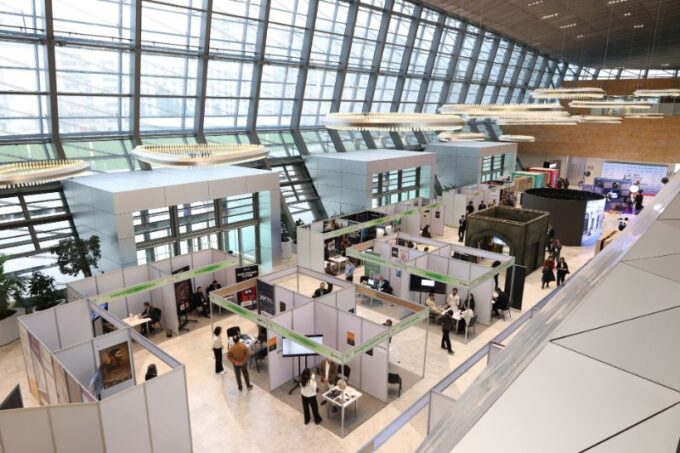
Crisil expects the specialty chemicals sector’s margin trajectory to improve gradually from Q3 FY27 onward, contingent on a stabilisation of crude prices, recovery in European chemical demand, and potential easing of China’s export competitiveness as global buyers diversify sourcing. The NextGen Chemicals and Petrochemicals Summit 2026 — one of this week’s key industry events — is expected to address AI-enabled process optimisation and sustainability as levers for structural margin improvement. Companies investing in continuous manufacturing, green chemistry, and high-value niches (pharmaceuticals, electronic chemicals, OLED materials) are expected to emerge from the current margin downcycle in a stronger competitive position.
Frequently Asked Questions
What is Crisil’s margin forecast for India’s specialty chemicals sector in FY27?
Crisil Ratings forecasts that India’s specialty chemical sector operating margins will contract by 150–200 basis points to 14–14.5% in FY27, down from approximately 16% in FY26. Revenue growth is projected at around 6% for the year, slower than the 8% recorded in each of the two prior years, due to subdued exports and rising crude-linked raw material costs.
Which specialty chemical companies in India are most resilient to margin pressure?
Specialty chemical companies focused on fluorine-based chemistries — including Navin Fluorine, Gujarat Fluorochemicals, and SRF Limited — are most resilient due to niche positioning and stronger pricing power. Companies with higher domestic revenue exposure (60%+) are also better protected, as domestic demand in agrochemicals, flavours and fragrances, and construction chemicals remains robust.
Why are Indian specialty chemical exports declining in 2026?
Indian specialty chemical exports are subdued in 2026 due to cautious inventory management by European and US buyers, ongoing pricing competition from China (which has significant overcapacity in many chemical segments), and procurement volatility driven by US tariff uncertainty. Exports account for roughly one-third of India’s specialty chemical industry revenue and typically carry higher margins than domestic sales — making their weakness disproportionately painful for sector profitability.











Leave a comment