

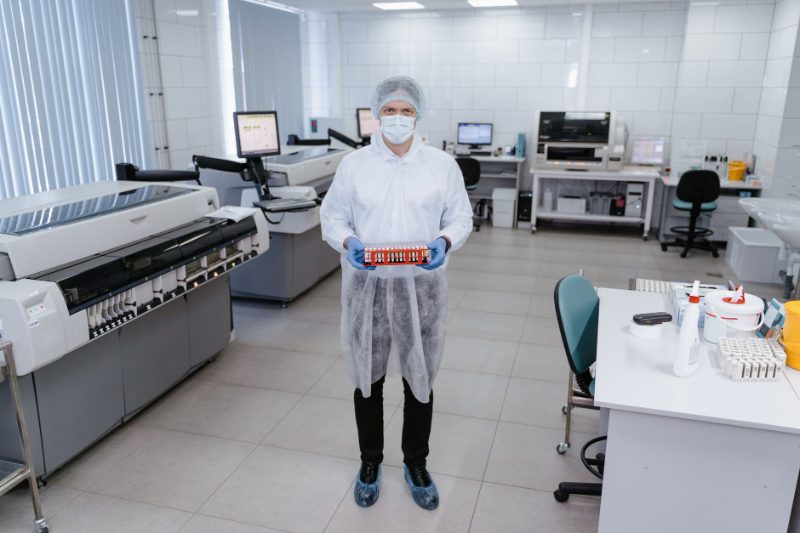
Lubrizol Corporation and Polyhose India have inaugurated a state-of-the-art, ISO13485-certified medical tubing manufacturing facility in Chennai, Tamil Nadu, marking a significant milestone for India’s rubber and polymer-based medical device manufacturing sector. The new plant will produce precision extruded medical tubing for minimally invasive surgical devices — positioning Chennai as an emerging hub for high-value medical-grade rubber and thermoplastic extrusion in Asia.
The Chennai facility, developed through a strategic collaboration between Lubrizol — the global leader in medical-grade thermoplastic polyurethane (TPU) — and Polyhose, one of India’s leading hose and tubing manufacturers, is certified to ISO 13485:2016, the international quality management standard for medical device manufacturing. It will serve both the rapidly growing domestic MedTech market and export demand from minimally invasive procedure sectors in the US, Europe, and Southeast Asia.
What Will the Chennai Medical Tubing Facility Manufacture?
The plant will produce precision-extruded medical tubing using an extensive portfolio of advanced materials, including polyamides, nylon, Pebax®, polypropylene, polyethylene, and Lubrizol’s proprietary Pellethane® and Tecothane® medical-grade TPU resins. These materials are used in catheters, endoscopes, drainage systems, infusion sets, and other minimally invasive devices that require precise dimensional tolerances, biocompatibility, and kink resistance. The site’s clean-room manufacturing environment and validated extrusion processes meet the regulatory requirements for Class II and Class III medical device components sold in regulated markets.
Why Is India’s MedTech Manufacturing Sector Attracting Rubber and Polymer Investment?
India’s medical devices market, valued at approximately USD 12 billion in 2025, is growing at over 15% annually — making it one of the fastest-expanding MedTech markets in Asia. Government initiatives including the Production Linked Incentive (PLI) scheme for medical devices, the development of four dedicated medical device parks (in Andhra Pradesh, Telangana, Tamil Nadu, and Himachal Pradesh), and an import substitution drive have collectively created a strong incentive for domestic manufacturing of device components. Chennai’s existing ecosystem of precision engineering, automotive component manufacturing, and skilled workforce in polymer processing made it the natural location for Lubrizol and Polyhose’s facility.
Market Reaction and Industry Response
India’s non-tyre rubber industry, which exports over USD 4.6 billion in products annually from 124,000-plus exporters, is undergoing a broader structural transformation — shifting from low-margin commodity rubber goods to high-specification engineering applications in healthcare, aerospace, and defence. The Lubrizol-Polyhose facility is a high-profile example of this transition. Industry body AIRIA (All India Rubber Industries Association) has welcomed the investment as a validation of India’s capability to produce sophisticated polymer-based medical components at global quality standards. The domestic industrial rubber market is projected to expand from 4.93 lakh tonnes to 6.22 lakh tonnes at a CAGR of 4.16% through 2030.
What Happens Next?
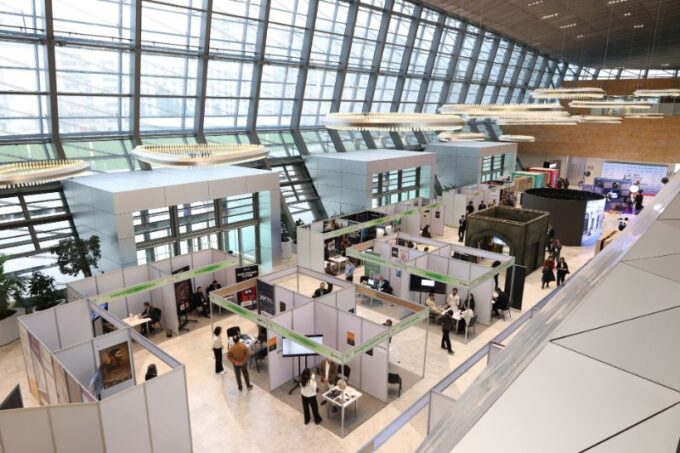
The Chennai plant is expected to begin volume production by Q3 2026, with initial output targeted at domestic hospital supply chains and select export customers in Southeast Asia. TechnoBiz’s 6th edition of Rubber Week 2026 (July 29–31, RG Royal Hotel, Bengaluru) will feature medical rubber manufacturing as a dedicated track, reflecting the sector’s growing interest in healthcare applications. Analysts expect similar collaborations between global material science companies and Indian precision manufacturers to follow, particularly in the catheters, dialysis tubing, and minimally invasive surgery segments.
Frequently Asked Questions
What is ISO 13485 certification in medical manufacturing?
ISO 13485:2016 is the international standard specifying quality management system requirements for organisations involved in the design, production, installation, and servicing of medical devices. Certification to ISO 13485 is a prerequisite for supplying medical device components to regulated markets including the US (FDA), European Union (CE marking), and Japan (PMDA).
What medical products will the Lubrizol-Polyhose Chennai plant produce?
The Chennai facility will manufacture precision extruded medical tubing for minimally invasive devices including catheters, endoscopy components, infusion and drainage systems. The plant uses advanced materials such as medical-grade TPU (Pellethane®, Tecothane®), Pebax®, nylon, and polyethylene to produce tubing with precise dimensional and mechanical performance characteristics.
How significant is India’s medical device manufacturing sector?
India’s medical devices market is valued at approximately USD 12 billion and growing at over 15% annually. Government PLI incentives and four dedicated medical device parks are accelerating domestic manufacturing. India currently imports around 70–80% of its medical device requirements, creating a large import substitution opportunity for domestic manufacturers of components and sub-assemblies.








Leave a comment